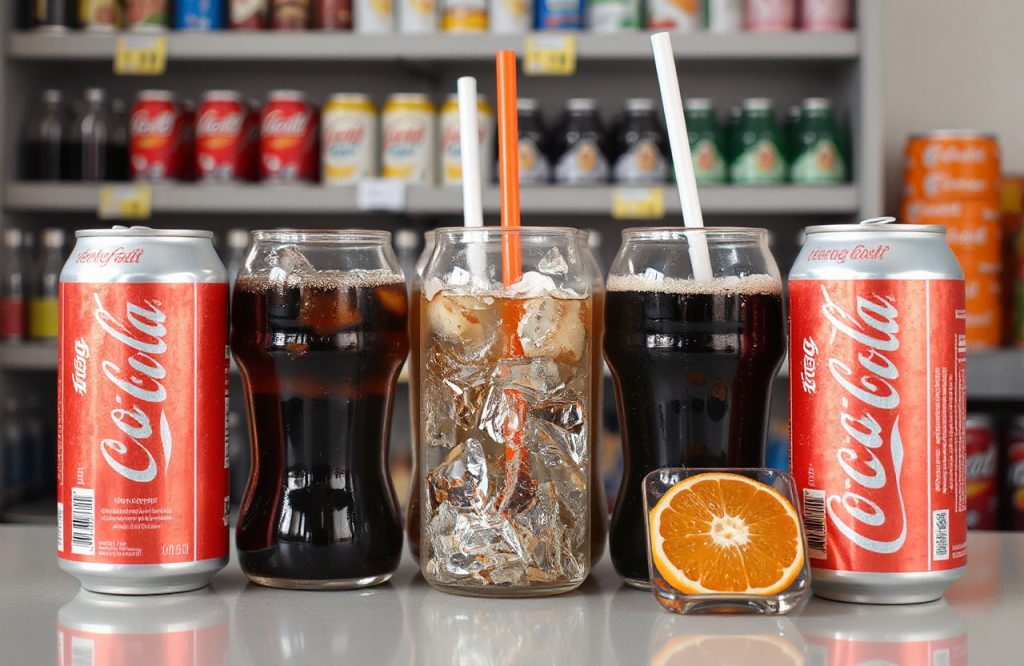
The Impact of Soda Consumption on Health and Policy
Historical Context of Soda Consumption
In 1942, the American Medical Association advised reducing soda intake to mitigate the adverse effects of excessive sugar consumption. By 2010, global soda consumption reached an alarming 11.4 gallons per person annually. The consequences of soda consumption, including obesity, diabetes, and heart disease, now result in more deaths worldwide than starvation.
The Soda Industry’s Influence in Developing Nations
The soda industry, particularly Coca-Cola, has strategically targeted developing countries such as China to establish critical business relationships. A study published in The BMJ highlighted the soda industry’s impact on Chinese health practices. Researcher Susan Greenhalgh examined the intricate ties between Coca-Cola and the evolution of obesity science and policy in China.
Coca-Cola’s Longstanding Relationship with China
Coca-Cola’s influence in China dates back to 1978 when senior vice president Alex Malaspina founded the International Life Sciences Institute (ILSI). Initially intended as a non-profit organization focused on health and environmental science, ILSI gained entry into China that same year. A close association formed between ILSI and the founding president of the Chinese Academy of Preventive Medicine, which later evolved into the Chinese Centre for Disease Control and Prevention (CDC).
Funding and Policy Development
The founding president of the Chinese CDC transitioned to lead ILSI-China until 2013. Greenhalgh’s research revealed that a significant portion of ILSI-China’s funding originated from the processed food sector, including Coca-Cola and Pepsi, with minimal oversight from independent entities. Following the 1999 recognition of the obesity epidemic, ILSI-China played a crucial role in formulating obesity prevention guidelines, presenting them under the guise of the Chinese Ministry of Health.
Focus Shift in Obesity Research
Initially, ILSI-China’s efforts concentrated on obesity measurement and establishing China-specific Body Mass Index (BMI) standards. However, in response to calls from the World Health Organization and the US Surgeon General for obesity intervention, ILSI-China pivoted to promote a “healthy lifestyle” approach, aligning with Coca-Cola’s marketing strategy rather than emphasizing nutritional changes, such as reducing soda consumption.
Educational Initiatives and Conference Sponsorship
Between 2004 and 2009, ILSI-China’s educational outreach to Chinese scientists included both nutrition and physical activity. Nonetheless, as financial connections with Coca-Cola strengthened, the focus shifted predominantly to physical activity as a solution for obesity. ILSI-China sponsored numerous conferences and workshops on obesity, where the majority of speakers were experts in physical fitness, while only a few addressed the role of nutrition. Many presenters had known affiliations with Coca-Cola or ILSI.
Corporate Influence and Perceptions
While Coca-Cola’s involvement in shaping health policies in China may seem like a case of corporate influence serving its interests, many in China acknowledge the benefits derived from this relationship. There is unlikely to be any significant regulatory action by the Chinese government concerning soda consumption. However, the corporate presence has introduced educational resources and academic discourse that might not have been available otherwise.
Future Implications of Soda Consumption
Despite the benefits attributed to corporate involvement, the negative effects of soda consumption are projected to persist and potentially worsen.
References
Greenhalgh S. Making China safe for Coke: how Coca-Cola shaped obesity science and policy in China. BMJ. 2019:k5050. doi:10.1136/bmj.k5050
Vartanian L, Schwartz M, Brownell K. Effects of Soft Drink Consumption on Nutrition and Health: A Systematic Review and Meta-Analysis. Am J Public Health. 2007;97(4):667-675. doi:10.2105/ajph.2005.083782
Sugar Sweetened Beverage Intake. Centers for Disease Control and Prevention. https://www.cdc.gov/nutrition/data-statistics/sugar-sweetened-beverages-intake.html. Published 2019. Accessed February 9, 2019.
Basu S, McKee M, Galea G, Stuckler D. Relationship of Soft Drink Consumption to Global Overweight, Obesity, and Diabetes: A Cross-National Analysis of 75 Countries. Am J Public Health. 2013;103(11):2071-2077. doi:10.2105/ajph.2012.300974