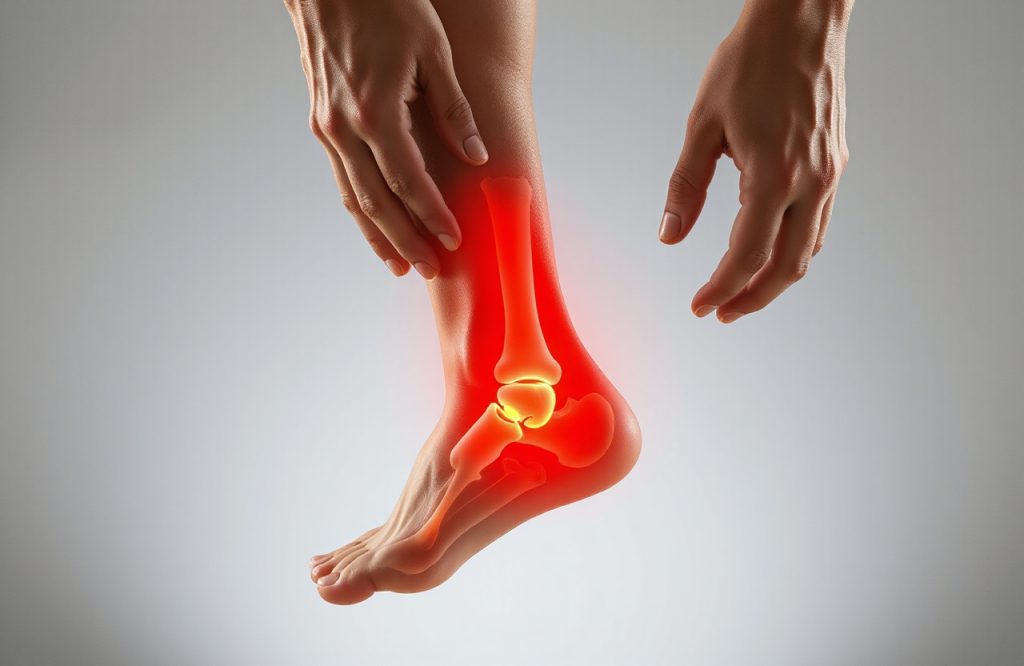
Understanding Achilles Tendon Injuries
The Importance of the Achilles Tendon
The Achilles tendon is one of the largest and strongest tendons in the human body, capable of withstanding various natural movements. Despite its strength, injuries to this tendon account for nearly half of all sports-related injuries encountered by athletes. A significant number of individuals affected by Achilles tendonitis are typically younger males. These injuries are often referred to by several names, including tendinitis, tendinopathy, and tendon rupture.
Common Causes of Achilles Tendon Injuries
Achilles tendonitis is frequently caused by overuse, leading to persistent pain and discomfort. This injury often affects individuals who lead a sedentary lifestyle and suddenly engage in high-intensity physical activities, such as running and jumping, which place excessive stress on the tendon. Achilles tendon injuries can result in either partial or complete ruptures.
Recovery and Treatment Options
Most patients with Achilles tendon injuries can achieve full recovery. However, some individuals may not respond to treatment or may seek help too late, necessitating surgical intervention.
Symptoms and Diagnosis
Identifying a Ruptured Achilles Tendon
An Achilles tendon rupture typically occurs suddenly, often without prior warning signs. To diagnose this condition, healthcare professionals may recommend an ultrasound or magnetic resonance imaging (MRI) examination. Additional diagnostic methods include measuring the palpable gap in the tendon and performing a Thompson test.
Common Symptoms of Tendinopathy
Achilles tendinopathy often presents symptoms such as swelling, pain, and difficulty using the tendon repeatedly. Other indications of a ruptured Achilles tendon include tenderness and edematous areas. Some individuals report hearing a “snap” at the moment of rupture.
Causes of Achilles Tendon Injuries
High-Intensity Exercise and Tendon Stress
Individuals who engage in sudden, high-intensity exercise are at an increased risk of tendon injuries, as their tendons may struggle to adapt to the added stress. Most cases of Achilles tendonitis arise during high-impact sports activities.
Underlying Health Conditions
In some cases, Achilles tendon injuries may be linked to underlying systemic diseases, such as rheumatoid arthritis. Additionally, patients can experience hypoxia and mucoid degeneration within their tendons prior to injury.
Risk Factors for Achilles Tendon Injuries
Intrinsic Risk Factors
Several intrinsic factors contribute to the risk of Achilles tendon injuries. These include differences in leg length, muscle weakness or imbalance, inflexibility, and obesity. Additionally, predisposing diseases or issues related to blood supply can increase susceptibility.
Extrinsic Risk Factors
Extrinsic factors arise from environmental influences, including the use of certain medications, training practices, and physical activity patterns. The biomechanics of foot and ankle movement during high-intensity workouts are also crucial in understanding the risk of Achilles tendon injuries.
Treatment Options for Achilles Tendon Injuries
Non-Surgical Approaches
Most individuals heal from Achilles tendon ruptures without surgery due to the associated risks, such as infection and nerve damage. Initial treatment involves immobilization and rest for up to eight weeks. Following this period, a tailored rehabilitation plan, which may include non-surgical methods, is developed.
Medications and Physiotherapy
For moderate symptoms, resting the ankle and allowing the tendon to heal is essential. Non-steroidal anti-inflammatory drugs can alleviate pain and swelling associated with Achilles tendonitis. Immobilization through a plaster cast for a duration of eight weeks may also aid recovery, with physiotherapy sessions recommended to enhance healing.
Chronic Tendonitis Treatment
Chronic Achilles tendonitis can be effectively managed through non-surgical methods, including stretching and muscle training. Calf muscle training has been shown to improve outcomes. In cases of persistent swelling, corticosteroid injections may be administered.
Surgical Interventions
Surgical treatment for Achilles tendonitis may involve removing adhesions and addressing tendon degeneration. Peritendinous repair surgery consists of multiple incisions to suture ruptured tendons. Studies indicate that over 80% of individuals who undergo surgical treatment for Achilles tendonitis achieve full recovery, with lower rates of re-rupture compared to non-surgical treatments.
Conclusion
Further research is necessary to determine the most effective treatment options for Achilles tendonitis. Individuals experiencing symptoms related to this condition should consult a healthcare professional for appropriate guidance and care.
Disclaimer
This article does not serve as medical advice. Please consult your doctor if you have an injured Achilles tendon.