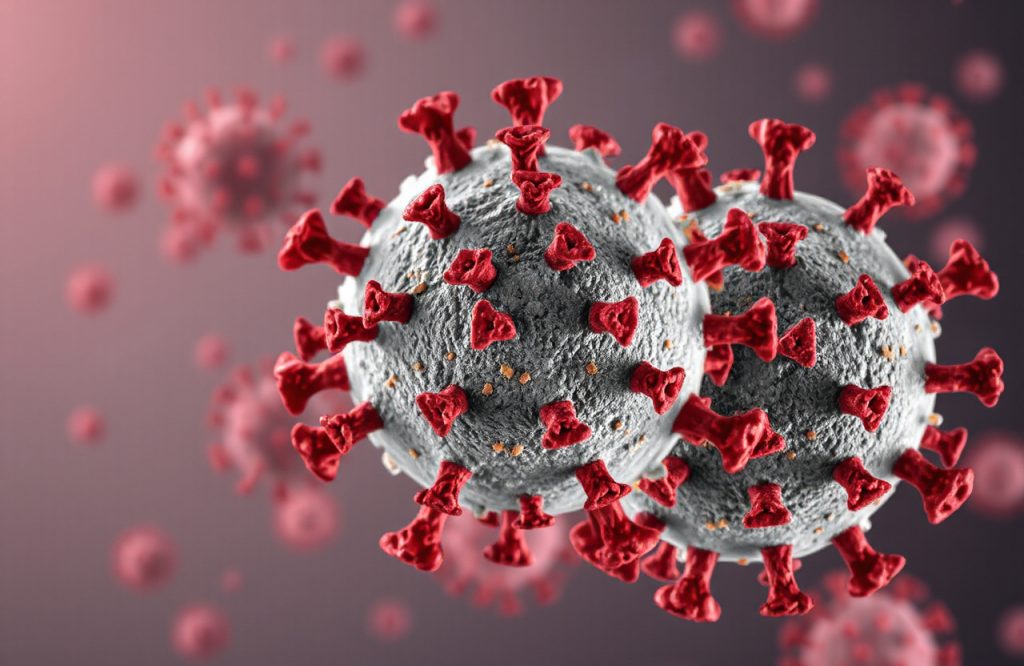
Research on In-Hospital Spread of SARS-CoV-2
Overview of SARS-CoV-2 Transmission Research
The global community is facing a widespread outbreak of the novel SARS-CoV-2 virus. In an effort to mitigate the spread of this disease, scientists worldwide are diligently collecting and analyzing data. A key focus of this research is to understand the various mechanisms through which the virus transmits. While much attention has been directed towards direct person-to-person transmission, emerging evidence indicates that the virus may also spread indirectly via contaminated surfaces and objects.
Study Published in JAMA
A recent research letter published in the Journal of the American Medical Association investigates the potential airborne transmission of COVID-19 and the contamination of environmental surfaces, including personal protective equipment (PPE). The study centers on three patients infected with the virus at an outbreak center in Singapore, where they were isolated in specially designed infection control rooms meant to limit the spread of airborne pathogens.
Methodology and Findings
Over a 10-day period from January 24 to February 3, researchers gathered samples from various sites within these isolation rooms. They also collected samples from the PPE worn by healthcare staff as they exited the rooms. The analysis aimed to detect the presence of the virus.
The findings revealed that samples taken after cleaning showed no viral indicators. In contrast, 87% of sites within the rooms tested positive for the virus before routine cleaning. Notably, all air samples were negative, and most samples from PPE were also negative, except for one instance. However, samples collected from the toilet area in the isolation room tested positive, indicating a potential fecal-oral transmission route.
Implications of the Study
The results of this study hold significant implications for understanding virus transmission. They suggest that the virus may be present in stool samples and highlight the effectiveness of cleaning in removing viral contaminants. Nonetheless, the presence of contamination in uncleaned areas indicates that viral particles from expired droplets can settle in the environment, underscoring the importance of maintaining rigorous hygiene practices.
Limitations of the Research
Despite the urgency to publish findings, this study has clear limitations, particularly its small sample size. While the results are suggestive and crucial for ongoing research, they are not definitive. The scientific community must continue to seek comprehensive data to better understand the spread of the virus.
Reference
Ong SWX, Tan YK, Chia PY, Lee TH, Ng OT, Wong MSY, et al. Air, Surface Environmental, and Personal Protective Equipment Contamination by Severe Acute Respiratory Syndrome Coronavirus 2 (SARS-CoV-2) From a Symptomatic Patient. JAMA. 2020.
Image by Tumisu from Pixabay.