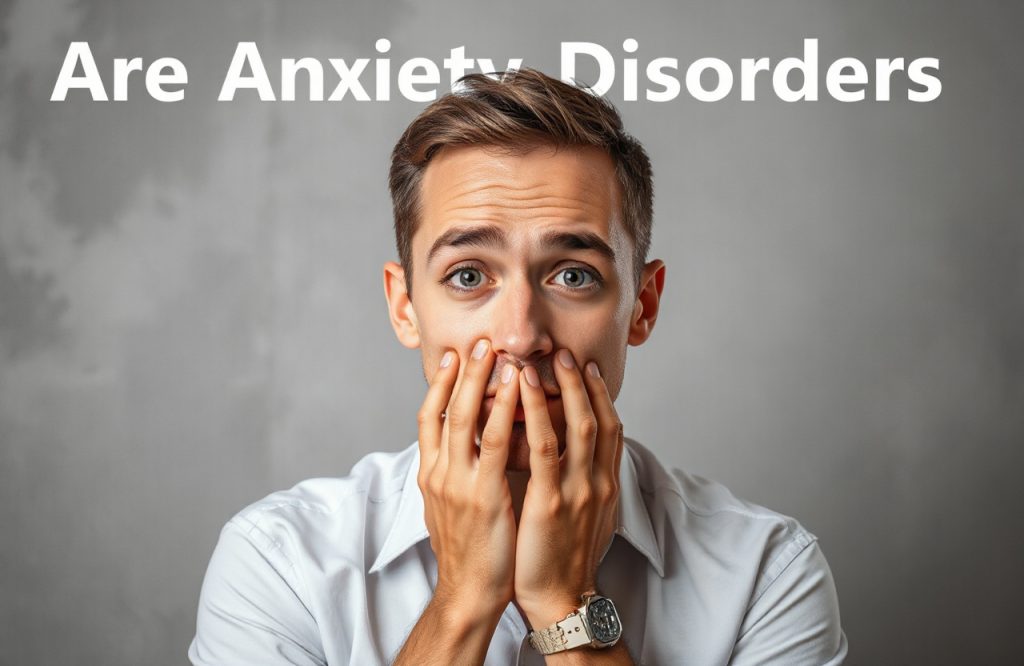
Understanding Anxiety Disorders
Prevalence and Impact
Anxiety disorders are widespread and can significantly impair daily functioning. A recent article published in JAMA reviews existing research and outlines the current treatment protocols for various anxiety disorders. While everyone experiences worry during stressful times, anxiety can manifest more severely than simple nervousness.
Types of Anxiety Disorders
According to Dr. Murray B. Stein, MD, MPH, and Dr. Michelle G. Craske, PhD, in their article in The Journal of the American Medical Association, physicians frequently encounter patients with generalized anxiety disorder, panic disorder, social anxiety disorder, and post-traumatic stress disorder.
Characteristics of Anxiety Disorders
Anxiety disorders are characterized by excessive anxiety, which may be accompanied by physical symptoms such as a rapid heart rate, difficulty breathing, or gastrointestinal distress. These disorders often lead to disproportionate worry or avoidance behaviors and can result in persistent social and occupational impairments. While many individuals manage periods of stress effectively, persistent anxiety may necessitate medical intervention.
Treatment Approaches
Initial Treatment Recommendations
For mild to moderate anxiety disorders, physicians typically recommend accessible and safe interventions first. These include physical activity and mindfulness-based stress reduction techniques, which can be accessed through mobile apps and online programs. Many patients report significant improvements using these methods.
Intensive Treatment Options
However, more intensive treatments may be required, such as antidepressants, including selective serotonin reuptake inhibitors (SSRIs) and serotonin and norepinephrine reuptake inhibitors (SNRIs), along with cognitive behavioral therapies (CBTs). Both SSRIs and SNRIs have shown efficacy in over 50% of patients and are often part of collaborative care programs.
Medications and Dosage Management
Commonly prescribed SSRIs and SNRIs, such as duloxetine, escitalopram, fluoxetine, sertraline, and venlafaxine, are initiated at low doses, gradually increasing every few weeks to optimize therapeutic effects while minimizing side effects like hypertension, nausea, and decreased libido.
Cognitive Behavioral Therapy
Cognitive behavioral therapy is a structured program aimed at reducing negative thought patterns, replacing avoidance behaviors with coping strategies, and lowering tension and arousal levels. Patients can access CBT both online and in person.
Alternative Options
If antidepressants and CBT prove ineffective, benzodiazepines may be considered. These psychoactive drugs are effective for short-term anxiety relief but should be used with caution in individuals with a history of substance abuse.
Complementary and Experimental Treatments
Although practices like yoga, meditation, and massage may provide some benefits, experimental treatments such as MDMA or ketamine are not yet recommended due to the need for further research. Additionally, current evidence does not support the use of cannabis products for treating anxiety.
Monitoring Treatment Progress
Tracking treatment efficacy is essential. Clinicians can use assessment tools such as the Generalized Anxiety Disorder 7-Item Scale to monitor severity and response at little or no cost.
The Need for New Treatments
Despite the high prevalence of anxiety disorders, it is concerning that no new anxiolytic medications have been approved by the FDA since 2007. While existing treatments can help patients, there is a pressing need for new therapeutic options.
Future Prospects
There is hope for those living with anxiety, as novel treatments are anticipated in the near future. Until then, research indicates that individuals with anxiety disorders can enhance their quality of life using current resources.
Reference
Stein MB and Craske MG. Treating Anxiety in 2017: Optimizing Care to Improve Outcomes. JAMA. 2017 August 4.