Emergency Medical Services Response in the United States
Overview of 911 Calls
Emergency medical services (EMS) personnel in the United States handle approximately 37 million 911 calls annually. While first responders are essential for addressing the needs of sick and injured individuals, support from friends, family, and bystanders is also crucial for enhancing survival chances.
Public Education Campaign: Until Help Arrives
In response to this need, the “Until Help Arrives” initiative has been launched. This public education campaign is a collaborative effort among emergency care and emergency management experts within the US government. Its primary goal is to empower laypersons to provide essential care to individuals in distress during the critical waiting period for EMS personnel to arrive.
Study on EMS Response Times
A study published in JAMA Surgery evaluated EMS records to analyze the time taken from the receipt of a 911 call to the arrival of first responders. The researchers reviewed data from 2015, encompassing 485 EMS agencies across the United States. Encounters were categorized based on population density according to US Census Bureau classifications: rural (population under 2,500), suburban (population between 2,500 and 50,000), and urban (population over 50,000).
Methodology and Findings
The study focused on emergency 911 pre-hospital encounters, excluding patient transfers, aborted encounters, and cases with response times exceeding 120 minutes or transport times longer than 180 minutes. Out of 1,275,529 encounters resulting in patient transport by the primary EMS unit, 70,189 were from rural areas, 1,576,019 from suburban areas, and 150,779 from urban areas.
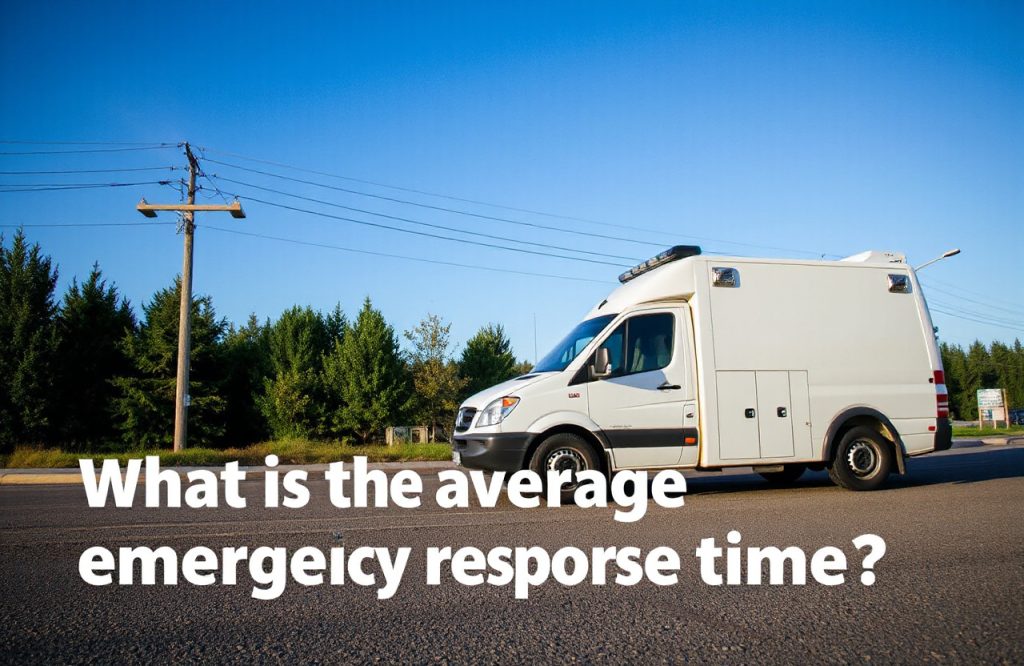
The average response time for an EMS unit to reach the scene after a 911 call was seven minutes; however, this time increased to over 14 minutes in rural settings. Alarmingly, nearly 10% of encounters experienced wait times of up to half an hour for EMS personnel to arrive. The authors noted that longer EMS response times are linked to poorer outcomes for trauma patients.
Study Limitations
The authors acknowledged limitations in their study, including data constraints that resulted in a higher number of encounters from urban cluster zip codes and reliance on convenience sampling rather than a fully representative selection of areas.
The Role of Bystanders
Research indicates that bystanders trained in first aid can effectively assist injured or ill individuals. This highlights the potential benefits of widespread campaigns aimed at encouraging the public to obtain basic first-aid training, allowing them to provide critical care during the wait for EMS personnel.
Factors Influencing Ambulance Response Times
Ambulance response time is a key indicator of health system performance and is influenced by various factors, including the distance to the emergency site and the time of day. These elements can significantly impact response times during emergencies.
References
Mell, H., Mumma, S., Hiestand, B., Carr, B., Holland, T., Stopyra, J. (2017, July 19). Emergency medical response times in rural, suburban, and urban areas [Editorial]. JAMA Surgery DOI: 10.1001/jamasurg.2017.2230
Ziad Nehme, Emily Andrew & Karen Smith (2016) Factors Influencing the Timeliness of Emergency Medical Service Response to Time Critical Emergencies, Prehospital Emergency Care, 20:6, 783-791, DOI: 10.3109/10903127.2016.1164776