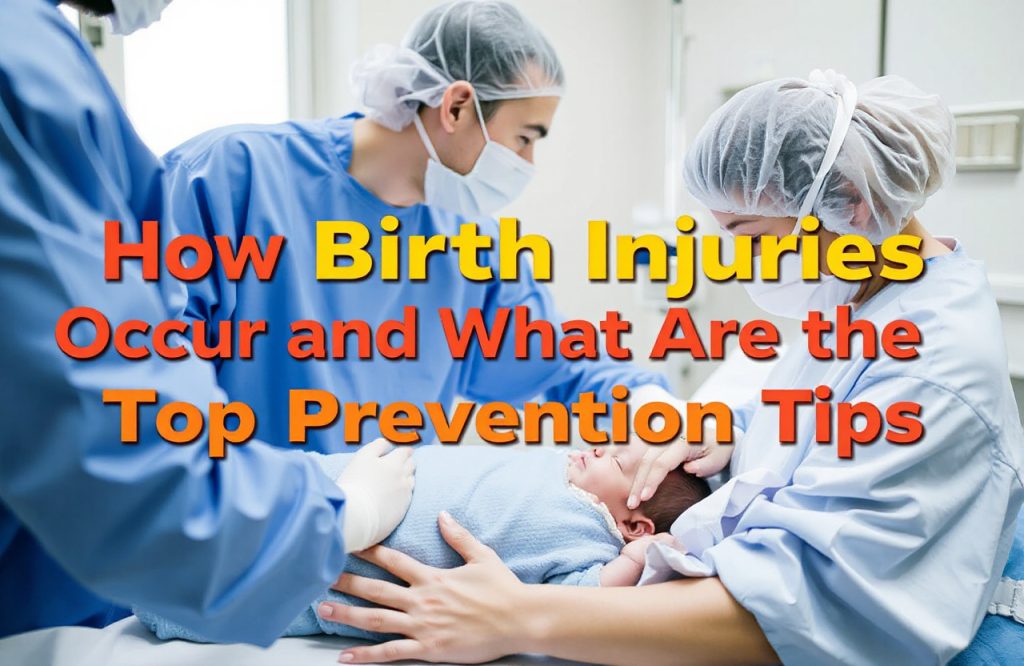
Understanding Birth Injuries
Overview of Birth Injuries
Many infants experience physical injuries during the birthing process, with varying degrees of severity. These injuries can range from minor bruises and broken bones to more serious conditions such as nerve damage, paralysis, and lifelong disabilities. While some injuries may heal on their own, others necessitate immediate and adequate medical attention. It is important to acknowledge that certain birth injuries can be unavoidable. However, with proper preparation and the guidance of experienced medical professionals, the risks and impacts can be minimized.
How Birth Injuries Occur
This article will explore the common types of birth injuries and offer prevention tips to help reduce the likelihood of such occurrences.
Common Birth Injuries and Their Potential Causes
Brachial Plexus Injuries and Erb’s Palsy
Erb’s Palsy is a treatable birth injury that impacts the movement of a baby’s shoulder and arms, potentially resulting in paralysis. Infants with this condition may exhibit weakness in their arms and reduced range of motion. Erb’s Palsy often arises from physical trauma during childbirth that affects the brachial plexus.
Cerebral Palsy
Cerebral Palsy is a brain injury resulting from inadequate oxygen supply to the brain, which can occur before, during, or shortly after birth. This condition can lead to a variety of symptoms, including difficulties with fine motor skills, muscle tone, and developmental delays, ultimately affecting the child’s ability to move, balance, and maintain posture.
Perinatal Asphyxia
Perinatal asphyxia refers to injuries that compromise the fetus’s blood flow or oxygen exchange before or after delivery. It can affect vital organs, including the brain, and may result from maternal issues such as uterine rupture, umbilical cord knots, or infections of the placenta.
Head and Brain Injuries
Head and brain injuries can occur to an unborn baby or during the birthing process. These injuries may arise from external trauma, congenital conditions, or oxygen deprivation. Early indicators of head or brain injury may include a pronounced forehead, a smaller-than-normal head, distorted facial features, or neck stiffness.
When to Consult a Birth Injury Lawyer
If your newborn suffers from any of these injuries, it is essential to seek medical evaluation and appropriate treatment. Furthermore, if you believe that the injury could have been prevented or resulted from medical malpractice, consulting a birth injury lawyer may be advisable. Such professionals can help assess your case and explore legal options against the hospital or medical personnel involved in the delivery. For instance, if your child is diagnosed with Erb’s Palsy in New York, you may consider reaching out to specialized attorneys like Duffy and Duffy, who can provide valuable advice and support for your situation.
Top 6 Tips to Prevent Birth Injuries
Most childbirth injuries can be treated and prevented by following these guidelines:
1. Prioritize Sleep
Sufficient sleep is crucial during pregnancy. Lack of rest can lead to complications such as preeclampsia, which may contribute to premature birth. Pregnant women should aim for 7 to 9 hours of quality sleep each night and consider taking naps during the day to maintain their energy levels.
2. Ensure Regular Prenatal Care
Consistent prenatal care is vital for a healthy pregnancy. It can help prevent complications related to pregnancy and delivery. Research indicates that regular check-ups significantly reduce the risks of preterm labor and low birth weight, particularly among high-risk women.
3. Maintain a Healthy Diet
A balanced diet is essential during pregnancy. Focus on consuming fresh fruits, vegetables, whole grains, protein-rich foods, and low-fat dairy products. Be cautious with fish and shellfish, avoiding those with high mercury levels, and limit refined grains, sugars, saturated fats, and salt.
4. Take Recommended Vitamins and Supplements
It’s important to meet the nutritional needs of both mother and baby during pregnancy. Key nutrients such as folate, iron, iodine, and various vitamins are essential. Always consult a healthcare provider before starting any supplementation to ensure safety and efficacy.
5. Avoid Smoking, Alcohol, and Drugs
Avoiding harmful substances during pregnancy is crucial. Smoking, alcohol consumption, and drug use can lead to serious complications, including premature birth, low birth weight, congenital disabilities, and abnormal growth.
6. Choose a Trusted Healthcare Provider
Selecting a reliable healthcare provider is essential for ensuring appropriate care during pregnancy and childbirth. Seek out experienced obstetricians, family doctors, and pediatricians who can offer specialized guidance throughout the pregnancy, delivery, and infant care process.
Conclusion
Pregnancy and childbirth are significant life events that couples often look forward to with joy. The desire for a healthy pregnancy and baby is universal. Unfortunately, childbirth injuries can occur, leading to distressing outcomes. In such instances, it is vital to seek the expertise of qualified healthcare professionals for treatment and support. If legal guidance is necessary, a birth injury lawyer can assist you in navigating your options and ensuring your rights are protected.