What Is Blood Pressure?
Understanding Blood Pressure
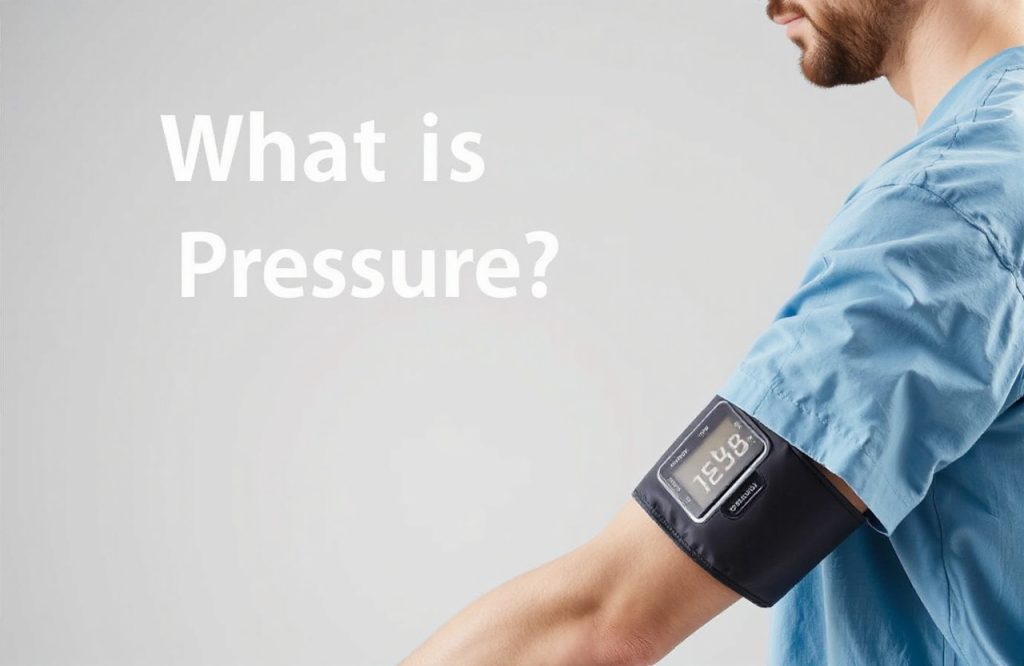
All parts of the body depend on a steady supply of blood to receive essential oxygen, nutrients, and other materials necessary for cell survival. Blood pressure refers to the force exerted by the heart as it pumps blood through the arteries. This pressure fluctuates based on two phases of heart activity: diastole, when the heart fills with blood, and systole, when it contracts and pumps blood into the arteries. During diastole, arterial pressure is at its lowest, while it peaks during systole. Blood pressure is commonly expressed in the format: systolic pressure/diastolic pressure, measured in millimeters of mercury (mmHg). For adults, normal blood pressure is typically around 120/80 mmHg, though it can vary with age and gender.
Hypertension & Hypotension
Health Risks Associated with Abnormal Blood Pressure
Abnormal blood pressure levels can lead to significant health issues, both acute and chronic. Hypertension, or chronic high blood pressure, is associated with an increased risk of serious conditions such as stroke and heart attack. Conversely, low blood pressure, known as hypotension, can result in immediate health threats and potentially fatal consequences. Factors contributing to hypertension include a sedentary lifestyle, poor dietary choices (especially high sodium and fat intake), alcohol consumption, smoking, and genetic predispositions. Hypotension is often triggered by immediate factors like dehydration, blood loss, allergic reactions, and severe infections. Regular monitoring of blood pressure by healthcare professionals is essential for maintaining health and preventing complications.
Blood Pressure Treatment
Managing Hypertension
Hypertension can be effectively managed through lifestyle modifications and various prescription medications. Simple strategies such as increasing physical activity and achieving weight loss can help lower blood pressure naturally. Additionally, reducing sodium and fat intake, limiting alcohol consumption, and quitting smoking are crucial steps toward better blood pressure management. Adopting a healthier lifestyle not only lowers harmful cholesterol (LDL) but also increases beneficial cholesterol (HDL), promoting overall heart and body health. Stress reduction techniques can also play a vital role in managing hypertension.
Medications for Hypertension
Several classes of medications are available for treating hypertension. Diuretics help lower blood pressure by reducing body fluids, which alleviates pressure on blood vessels. Angiotensin blockers prevent a molecule responsible for constricting blood vessels from doing so, thereby lowering pressure. Additional medications that promote blood vessel relaxation include vasodilators, calcium channel blockers, and alpha-blockers. Beta-blockers, which reduce the heart’s workload by decreasing the force of its contractions, are also commonly used. Often, a combination of these treatments is prescribed to maintain healthy blood pressure.
Treatment for Hypotension
While hypotension is less prevalent than hypertension, it poses serious health risks that necessitate treatment. A sudden drop in blood pressure requires immediate intervention to address the underlying cause, such as bleeding or dehydration, often needing hospitalization. Chronic hypotension, although rare, can be managed by adjusting medications that lower blood pressure, ensuring adequate hydration, and increasing dietary salt intake.
Additional Resources
For further reading, consider exploring the following topics:
– What is High Blood Pressure?
– Is High Blood Pressure Genetic?
– Can Fitbit Measure Blood Pressure?
– Guidelines for Blood Pressure Treatment in Patients with Hypertension and Diabetes
– Can Iron Supplements Lower Your Systolic Blood Pressure?
– Blood Pressure Calculator
– How Do Home Blood Pressure Monitors Work?