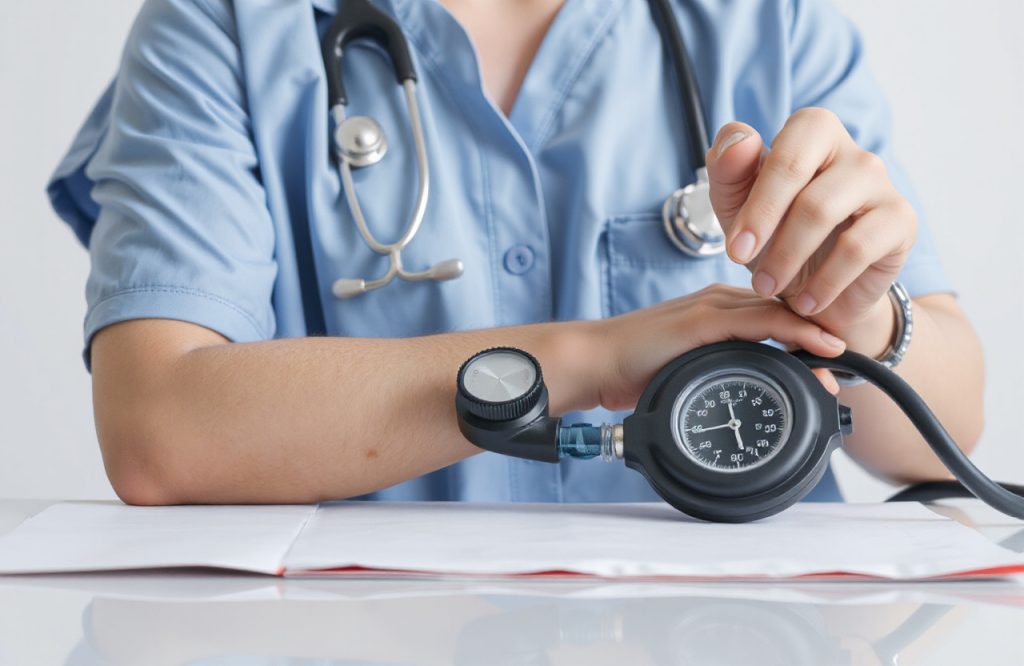
Blood Pressure
What is Blood Pressure?
Blood pressure refers to the force exerted by circulating blood against the walls of the arteries as the heart pumps it throughout the body. In Ireland, approximately 30-40% of individuals have high blood pressure, often without their knowledge. The only reliable method to determine if you have high blood pressure is through measurement.
Blood pressure readings consist of two figures, such as 120/80. The first number, known as systolic blood pressure, indicates the pressure in the arteries when the heart beats. The second number, called diastolic pressure, measures the pressure in the arteries when the heart is at rest.
Understanding Blood Pressure Results
– Optimal: Less than 120 mmHg (systolic) and less than 80 mmHg (diastolic)
– Normal: 120-129 mmHg (systolic) and/or 80-84 mmHg (diastolic)
– High Normal: 130-139 mmHg (systolic) and/or 85-89 mmHg (diastolic)
– Hypertension (High Blood Pressure): Greater than 140 mmHg (systolic) and/or 90 mmHg (diastolic)
It is important to rest for 15 minutes before measuring your blood pressure, ensuring your legs are uncrossed. Factors such as exercise, caffeine, alcohol, and stress can temporarily raise blood pressure, underscoring the need for this rest period.
Recommendations for Managing Blood Pressure
To effectively manage blood pressure, consider the following recommendations:
– Reduce your weight
– Increase physical activity to at least 150 minutes per week gradually
– Consume alcohol in moderation, adhering to 17 units per week for men and 11 units per week for women
– Limit salt intake
– Enhance your diet with fruits, vegetables, and low-fat dairy products
– Take prescribed medications as directed by your healthcare provider
– Quit smoking
Importance of Controlling Blood Pressure
Managing high blood pressure is crucial as it places significant strain on arterial walls. Potential complications include:
– Stroke or aneurysm rupture in the brain
– Increased risk of dementia
– Heart attack
– Kidney failure
– Heart failure due to enlargement of the heart muscle
How to Know if You Have High Blood Pressure
Unfortunately, high blood pressure typically does not present any noticeable symptoms. Regular monitoring by a healthcare professional is necessary for accurate assessment.
For more information on cardiac rehabilitation and heart failure, please refer to the following links:
– Cardiac Rehabilitation
– Heart Failure
Karen Cradock, Specialist Cardiac Physiotherapist, Heart2Heart Cardiac Physiotherapy
Website: www.h2hcardiacphysio.com
Email: [email protected]
Phone: 045484000