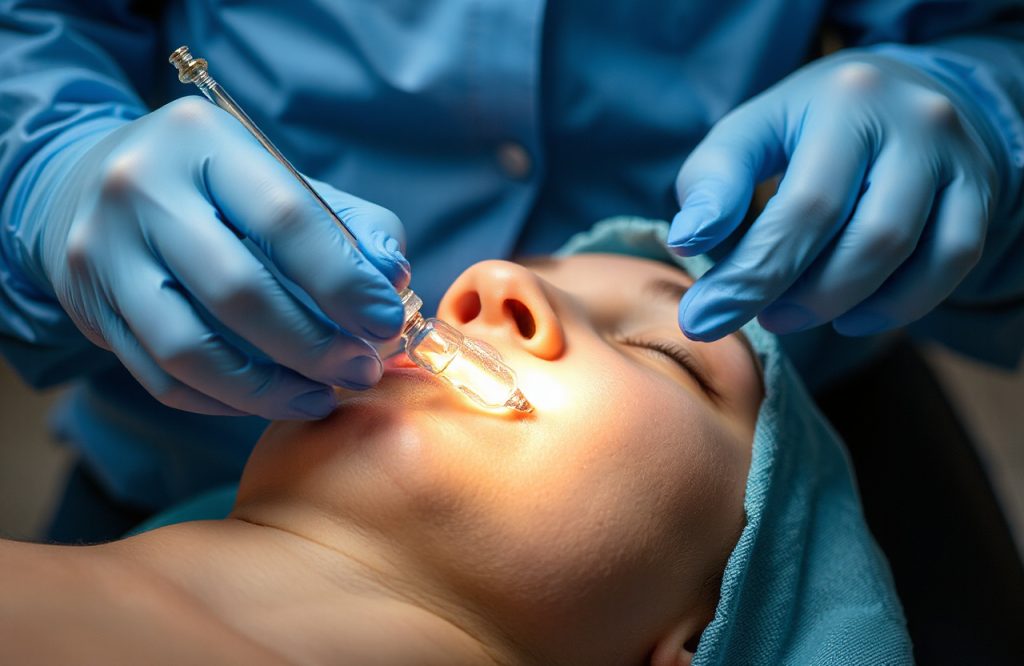
What is the Botulinum Toxin?
Overview of Botulinum Toxin
The botulinum toxin, commonly associated with botulism, is produced by the bacterium Clostridium botulinum. This toxin is known for causing reversible muscle paralysis. While botulism is often recognized as a form of food poisoning, the botulinum toxin has various applications beyond its negative effects.
Medical and Non-Medical Uses
The botulinum toxin is widely known in the cosmetic industry as Botox and Dysport. These products are utilized to minimize facial wrinkles, alleviate pain, and treat movement disorders and muscle stiffness. Both Botox and Dysport contain the botulinum toxin along with proteins that may trigger an immune response in some individuals. Another product, Xeomin®, contains the botulinum toxin without these immune-stimulating proteins.
Types of Responses to Treatment
Primary Non-Response
In some instances, individuals may not experience any benefits from Botox or Dysport treatments. This phenomenon, known as primary non-response, is rare and can stem from factors such as insufficient dosing, improper storage of the product, or injecting it into the wrong area.
Secondary Non-Response
Another type of resistance occurs when individuals who initially benefited from treatments no longer respond effectively. Since the effects of the botulinum toxin are temporary, ongoing treatments are necessary to achieve sustained results. This condition is referred to as secondary non-response.
Understanding Resistance to Treatment
Immune System Response
The immune system identifies the botulinum toxin as a foreign substance, prompting it to produce antibodies that target the toxin’s proteins. These antibodies can obstruct the treatment’s effects, leading to resistance. Patients exhibiting secondary non-responses typically have a higher concentration of antibodies, suggesting that their immune system is actively countering the treatment.
Increased Treatment Frequency
Patients with secondary non-responses often need more frequent treatments, which can increase the risk of developing resistance due to elevated production of toxin-specific antibodies. Additionally, the proteins present in some formulations may enhance the immune response to the toxin, further complicating treatment effectiveness.
Alternative Treatment Options
Cervical dystonia patients who experience secondary non-responses to Botox and Dysport may find relief by switching to Xeomin, which lacks the immune-stimulating proteins.
Strategies to Combat Botox Resistance
Understanding the factors contributing to treatment resistance is crucial. Patients should inquire about the appropriate medication form and dosing frequency tailored to their needs. Doing thorough research and asking informed questions about one’s diagnosis and treatment protocol can help minimize the risk of developing resistance to this vital therapeutic option.