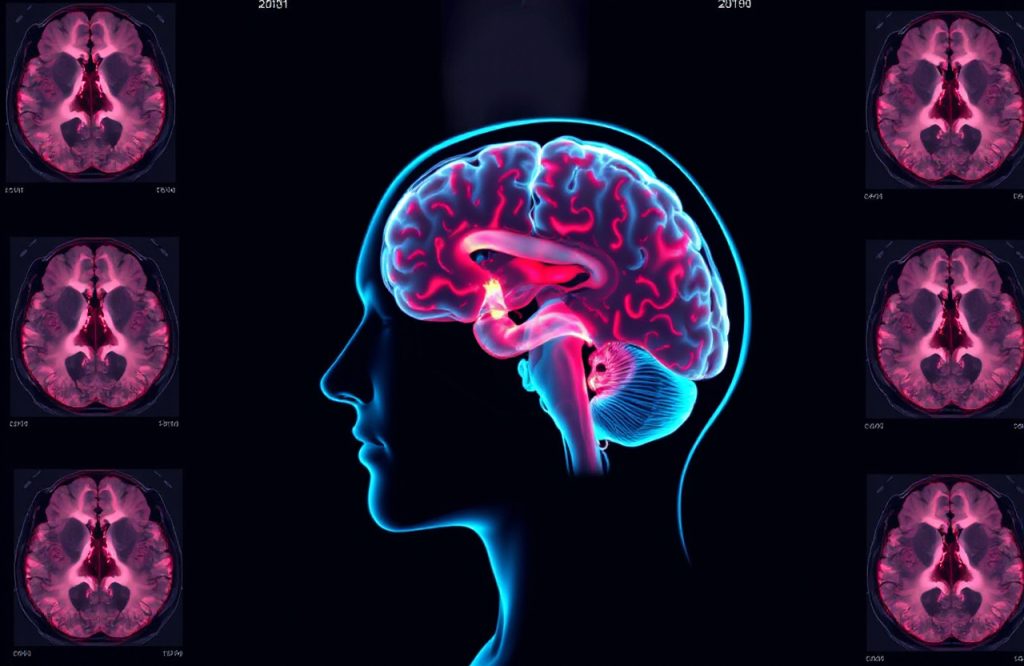
Study Advocates for Brain Screening in High-Risk Breast Cancer Patients
Understanding Brain Metastases
Brain metastases refer to cancer cells that have spread to the brain from primary tumors located in other organs. This condition is particularly prevalent among breast cancer patients. Autopsy studies indicate that 15-35% of individuals with breast cancer exhibit brain metastases.
Current Screening Practices
At present, brain imaging for the detection of metastases is not a common practice among breast cancer patients. Typically, brain metastases are diagnosed when patients begin to show neurological symptoms, indicating that the disease has progressed to a more advanced stage.
Risk Factors Related to Breast Cancer Subtypes
The likelihood of developing brain metastases varies according to the subtype of breast cancer. For example, patients diagnosed with luminal A breast cancer, characterized as hormone receptor (HR)-positive and human epidermal growth factor receptor 2 (HER2)-negative, experience fewer metastases compared to those with triple-negative (HR-negative and HER2-negative) breast cancer and HR-negative breast cancer. Consequently, screening for metastases may be particularly justified for certain breast cancer types.
Insights from Recent Research
A recent study published in JAMA Oncology explored the incidence and survival rates of breast cancer patients who developed brain metastases. Utilizing the Surveillance, Epidemiology, and End Results (SEER) database, which encompasses cancer incidence, treatment, and survival data for about 30% of the U.S. population, the research included 968 patients diagnosed with brain metastases, spanning ages from 18 to over 80 years.
Key Findings
The study revealed that HR-negative HER-positive patients exhibited the highest incidence of brain metastases at 11.5%, closely followed by patients with triple-negative breast cancer at 11.4%. Additionally, survival rates indicated that patients with triple-negative breast cancer and brain metastases had the shortest survival duration, averaging just six months.
Implications for Screening Practices
The study’s findings bolster the argument for implementing screening for brain metastases in patients with HER2-positive and triple-negative breast cancer. However, it is essential to recognize that the research may have overlooked patients with asymptomatic brain metastases, as the included patients were diagnosed only upon presenting neurological symptoms. Early detection of metastases is crucial for enhancing the chances of successful treatment through less toxic methods.
Conclusion
Integrating brain screening for breast cancer patients could pave the way for improved therapeutic strategies and more cost-effective care options.