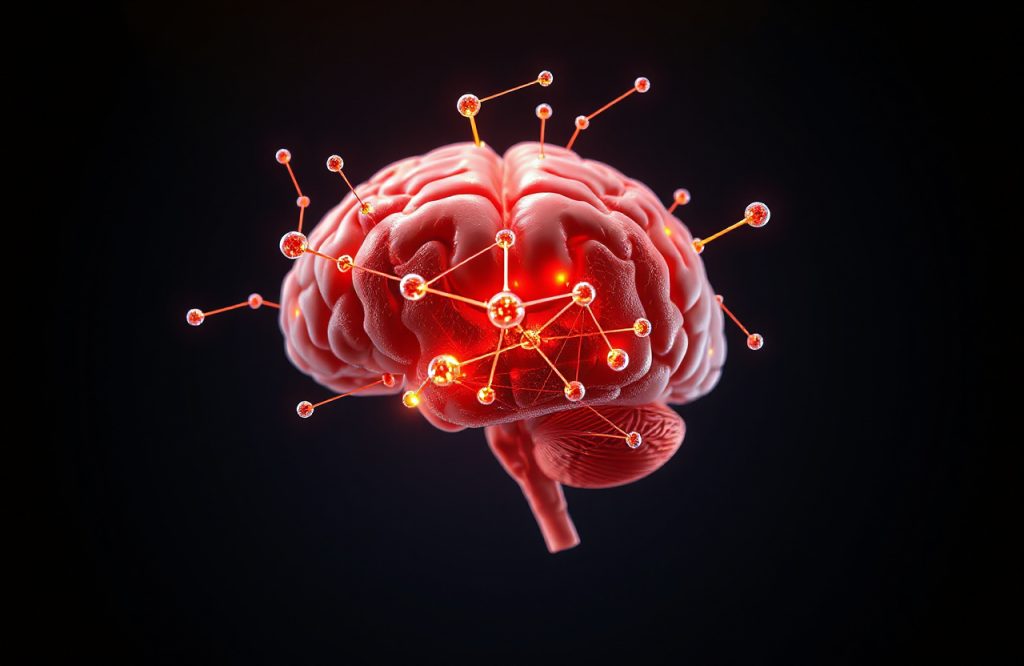
Neuroimaging Studies Reveal Brain Regions Linked to Suicide Risk
Overview of Suicide Statistics
Suicide ranks as the tenth leading cause of death globally and is the second leading cause among individuals aged 15 to 29. The World Health Organization (WHO) estimates that approximately 800,000 people die by suicide each year, translating to one death every forty seconds. Alarmingly, one in three adolescents contemplate suicide, and one in three of those will attempt it. As suicide rates continue to rise, understanding the biological mechanisms that contribute to suicidal thoughts and behaviors becomes increasingly urgent.
Research Insights from the University of Cambridge
Researchers from the University of Cambridge conducted a thorough review of neuroimaging studies spanning two decades, focusing on suicidal thoughts and behaviors. Their findings, published in *Molecular Psychiatry*, examined 131 studies involving over 12,000 individuals with a history of suicidal ideation or attempts. The review analyzed structural, functional, and molecular changes in the brain associated with the heightened risk of suicide.
Key Brain Networks Identified
The review pinpointed two critical brain networks located at the front of the brain that significantly influence the risk of suicidal thoughts and behaviors.
The first network includes the medial and lateral ventral prefrontal cortex (VPFC), which connects with other brain regions involved in emotion processing. The second network consists of the dorsal prefrontal cortex (DPFC) and inferior frontal gyrus (IFG), which are essential for behavior control, decision-making, and problem-solving.
The findings indicate that structural, functional, or biochemical changes in the VPFC network may lead to excessive negative thoughts and emotional regulation difficulties, potentially triggering suicidal ideation. Similarly, alterations in the DPFC/IFG network could facilitate suicidal behaviors. The researchers concluded that changes in both networks may result in negative thinking and impaired behavioral control, increasing suicide risk.
Research Gaps and Future Directions
The review also highlighted a significant research gap concerning suicide among vulnerable populations, particularly adolescents. Most studies have concentrated on adults, despite the fact that suicidal ideation often begins in adolescence. Dr. Schmaal, a study author, emphasized that a prior suicide attempt is a known risk factor for subsequent death by suicide. She advocates for developing methods to identify at-risk adolescents and provide necessary support.
Future research should focus on larger sample sizes and longitudinal designs that track study populations over time. The majority of existing studies are cross-sectional, limiting the ability to assess past suicidal thoughts and behaviors. To address this, the researchers initiated the Help Overcome and Prevent the Emergence of Suicide (HOPES) study in 2018, analyzing data from over 4,000 young individuals across fifteen countries to create predictive models for suicide risk.
Dr. Blumberg, another author of the study, noted that understanding brain circuitry differences observed in various studies could lead to more effective suicide prevention strategies.
Conclusion
In summary, the identification of specific brain networks associated with suicide risk underscores the importance of tailored intervention strategies. Continued research is vital for enhancing our understanding of the biological underpinnings of suicidal thoughts and behaviors, particularly among the adolescent population.
References
Schmaal L, Harmelen A, Chatzi V, et al. (2019). Imaging suicidal thoughts and behaviors: a comprehensive review of 2 decades of neuroimaging studies. Molecular Psychiatry. doi: 10.1038/s41380-019-0587-x
Study identifies brain networks that play crucial role in suicide risk. (2019, December 1). Retrieved from https://www.eurekalert.org/pub_releases/2019-12/uoc-sib112719.php
Image by Pete Linforth from Pixabay.