Understanding Adolescent Resilience to Substance Use Disorders
The Impact of Social Environment and Neurocognitive Development
Researchers have investigated how social environments, neurocognitive development, and brain plasticity contribute to the resilience of some adolescents against substance use disorders.
Adolescent Drug Use
Prevalence of Substance Abuse
Substance abuse, including tobacco, alcohol, and illegal prescription drugs, often initiates during adolescence. The National Institute on Drug Abuse reports that by the time they reach their senior year in high school, approximately 50% of teenagers will have experimented with illegal drugs, nearly 40% will have smoked cigarettes, and over 20% will have used prescription medications for non-medical reasons.
Reasons for Substance Use
Adolescents may turn to these substances for various reasons, such as seeking new experiences, establishing their identity, coping with challenges, improving academic performance, or following peer influences.
Neurodevelopmental Factors
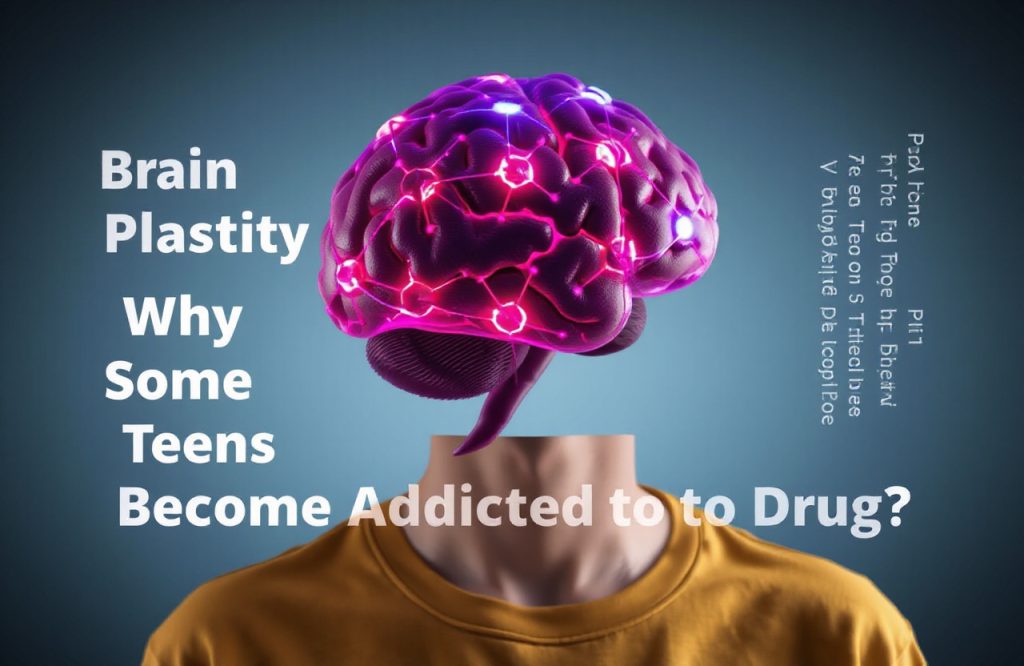
Evidence suggests that the adolescent brain is predisposed to risk-taking behaviors without fully considering the consequences. This is attributed to ongoing brain development and neuroplasticity, which allows the brain to adapt. The brain regions responsible for processing reward and pain develop earlier than the prefrontal cortex, which is essential for decision-making and impulse control. Consequently, the adolescent brain is often likened to a car with a fully operational gas pedal but underdeveloped brakes, underscoring the importance of prevention messages that promote healthy, drug-free lifestyles.
Why Do Some Adolescents Develop Addictions While Others Do Not?
The Natural Resolution of Substance Use
Despite the risks, most adolescents do not progress from experimentation to addiction. Many naturally reduce their substance use as they transition into adulthood, with studies showing that about half of adolescents with substance use disorders experience a decline in usage over time.
Research Insights on Resilience
A recent study published in The Lancet Child & Adolescent Health by researchers from the Netherlands and Portland, Oregon, examined the factors contributing to adolescents’ resilience against substance use disorders. Their review highlights that the same social plasticity, affective processing, and brain plasticity promoting drug use also contribute to resilience.
The Social Plasticity Hypothesis
The researchers propose that adolescent resilience is influenced by the social devaluation of substance use combined with enhanced behavioral control during a time of high brain plasticity. Furthermore, they suggest that individuals motivated by social reinforcement—such as positive peer feedback—are more likely to decrease their substance use in young adulthood compared to those driven by physical reinforcement, like the effects of intoxication.
Future Directions for Research
Longitudinal Studies and Implications
This framework, known as the social plasticity hypothesis, provides a basis for future research aimed at reconciling the dual aspects of risk and resilience in adolescent substance use. The authors advocate for longitudinal studies to explore the dynamics of chronic substance use versus natural recovery during adolescence. Understanding these interrelated processes could significantly enhance our knowledge of adolescent substance use disorders, inform prevention strategies, and improve treatment approaches.
References
(1) Cousijn, J., Luijten, M., & Ewing, S. W. F. (2017). Adolescent resilience to addiction: a social plasticity hypothesis. The Lancet Child & Adolescent Health. http://dx.doi.org/10.1016/S2352-4642(17)30148-7
(2) (2014, Jan. 14). Principles of Adolescent Substance Use Disorder Treatment: A Research-Based Guide. Retrieved from https://www.drugabuse.gov/publications/principles-adolescent-substance-use-disorder-treatment-research-based-guide on 2017, Dec. 7