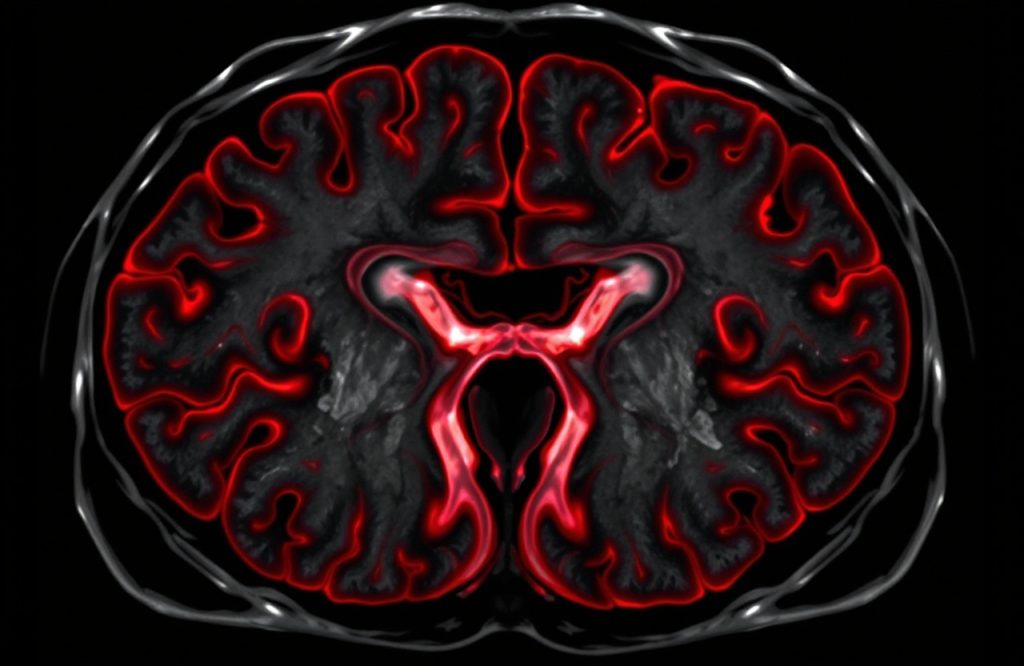
Understanding Cavernous Malformation
Introduction
Have you recently learned that a friend or family member has been diagnosed with a cavernous malformation? If you’re seeking quick facts about this condition, you’re in the right place. This article covers the essentials about cavernous malformation, including its definition, health implications, prevalence, symptoms, diagnosis, treatment options, and resources for further information.
What is Cavernous Malformation?
Cavernous Malformation, often referred to as cavernous angioma, cavernoma, or CCM, is a term used by medical professionals to describe a collection of unusually small and leaky blood vessels. According to Cavernous Malformation Canada, its appearance resembles that of a raspberry, and it is typically located in the brain.
How Does it Cause Health Problems?
The structure of cavernous malformations consists of fragile blood vessels that slow down blood flow, creating a bottleneck effect. This can be likened to a traffic jam, resulting in delayed blood delivery to critical areas of the brain. Additionally, the leaky nature of these vessels allows blood to seep into the surrounding brain tissue, potentially leading to increased pressure over time. The fragility of these blood vessels also raises the risk of ruptures, which can result in brain hemorrhages.
Who is Affected by Cavernous Malformation?
Cavernous Malformation is considered a rare condition, with estimates suggesting that approximately 1 in 500 individuals may have one in their brain. This disorder affects all genders equally and can occur at any age. While the cause of spontaneous cavernous malformations remains largely unknown, about 20% of cases are genetic. This hereditary form is caused by a dominant gene variant, which means that if a parent carries the gene, there is a 50% chance their children will inherit it. Notably, the condition does not skip generations, providing more clarity regarding its inheritance.
What are the Symptoms?
In many cases, cavernous malformations do not present any symptoms, and individuals may live their entire lives unaware of their existence. However, some people may experience various symptoms, including:
– Seizures
– Headaches
– Cognitive issues such as attention, memory, and learning difficulties
– Weakness or numbness in the limbs, ataxia, and facial paralysis
– Vision and hearing problems
– Diaphragm spasms
– Fatigue
The symptoms experienced can vary depending on the location of the cavernous malformation within the brain.
How is Cavernous Malformation Diagnosed?
Given their location in the brain, cavernous malformations are typically identified through brain imaging techniques, such as CT or MRI scans. Often, these malformations are discovered incidentally while doctors are investigating other medical concerns.
Is There a Treatment for Cavernous Malformation?
Currently, there is no cure for cavernous malformation. However, symptoms can be managed by collaborating with healthcare professionals who specialize in the specific issues arising from the condition. In severe cases, surgical intervention may be necessary, and there are ongoing drug developments aimed at providing additional treatment options.
Where Can I Find More Information?
For more comprehensive information regarding diagnosis, treatment, and guidance on living with cavernous malformation, you can visit the following resources:
– Alliance to Cure Cavernous Malformation
– Cavernous Malformation Canada