What is Chronic Obstructive Pulmonary Disease (COPD)?
Overview of COPD
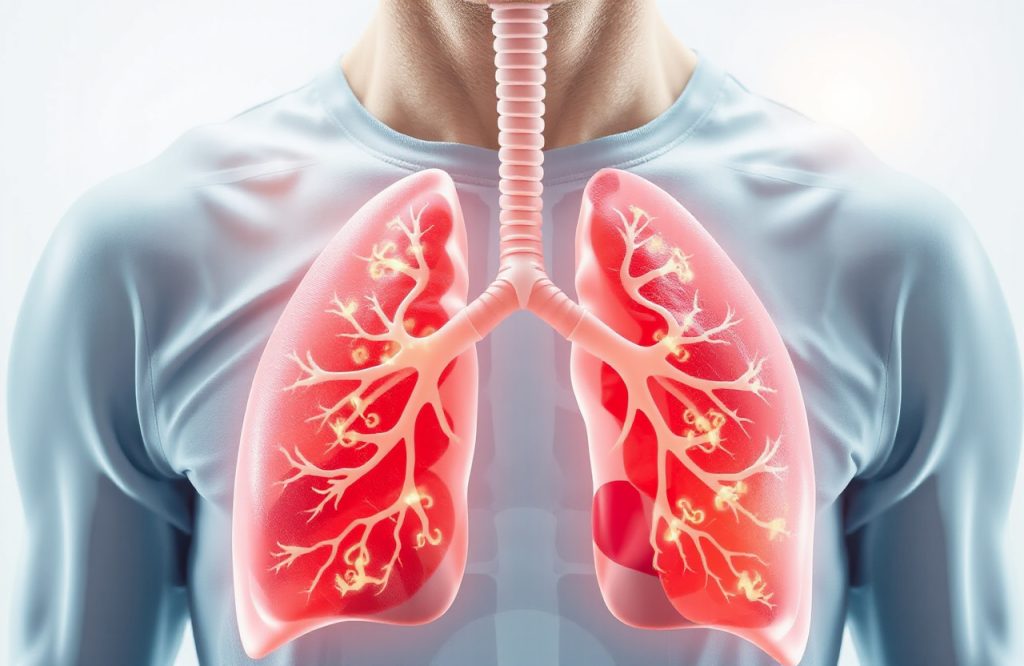
Chronic Obstructive Pulmonary Disease (COPD) is a progressive lung condition characterized by inflammation and obstructed airflow in the respiratory system. This term encompasses several related conditions, including emphysema, chronic bronchitis, refractory asthma, and bronchiectasis. Early signs of COPD, such as increased breathlessness and persistent coughing, can be subtle, but if left untreated, the disease may lead to serious complications such as respiratory infections, cardiovascular issues, and lung cancer. COPD is marked by a loss of lung elasticity and difficulty in fully exhaling.
Causes and Risk Factors
Primary Causes
The primary cause of COPD is the inhalation of harmful toxins and irritants. In developed countries, chronic tobacco smoking is the leading contributor, while in developing regions, exposure to factory emissions and inadequate home ventilation plays a significant role. Approximately 20 to 30 percent of smokers will develop COPD, while many others may experience a decline in pulmonary function.
Genetic Factors
Genetic predisposition can also contribute to the development of COPD. A notable example is the deficiency of the alpha-1-antitrypsin (AAt) gene, a protein essential for lung protection, which can increase susceptibility to lung damage. Additionally, individuals with a history of asthma face a heightened risk of developing COPD.
Diagnosis and Treatment of COPD
Diagnosis Process
Individuals who suspect they have COPD, particularly those with a smoking history, prolonged exposure to lung irritants, or a family history of the disease, should consult their healthcare provider for evaluation. The diagnosis typically involves a spirometry test, where the patient exhales forcefully into a device that measures two key metrics: FEV1 and FEV6. FEV1 indicates the volume of air exhaled in the first second, while FEV6 reflects the total air expelled in one breath. A reduced FEV1 to FEV6 ratio is indicative of COPD, with a more severe condition correlated to lower ratios. Additional tests may be conducted to rule out other lung-related disorders.
Treatment Options
Treatment strategies for COPD are tailored to the severity of the condition at diagnosis. In mild cases, the primary focus is on eliminating exposure to irritants, such as smoking, and the use of medications to ease airway muscle tension and reduce inflammation, if necessary. For moderate to severe cases, lung rehabilitation therapies may be necessary to repair damaged lung tissue. In critical situations, surgical interventions may be required, including lung transplants or lung reduction surgeries. Though lung reduction may seem counterintuitive, it aims to enhance the efficiency of the remaining lung tissue by creating more space for optimal function.
Prompt medical attention and the removal of environmental irritants are crucial for individuals at risk of COPD. Early intervention can significantly influence the management and progression of the disease.