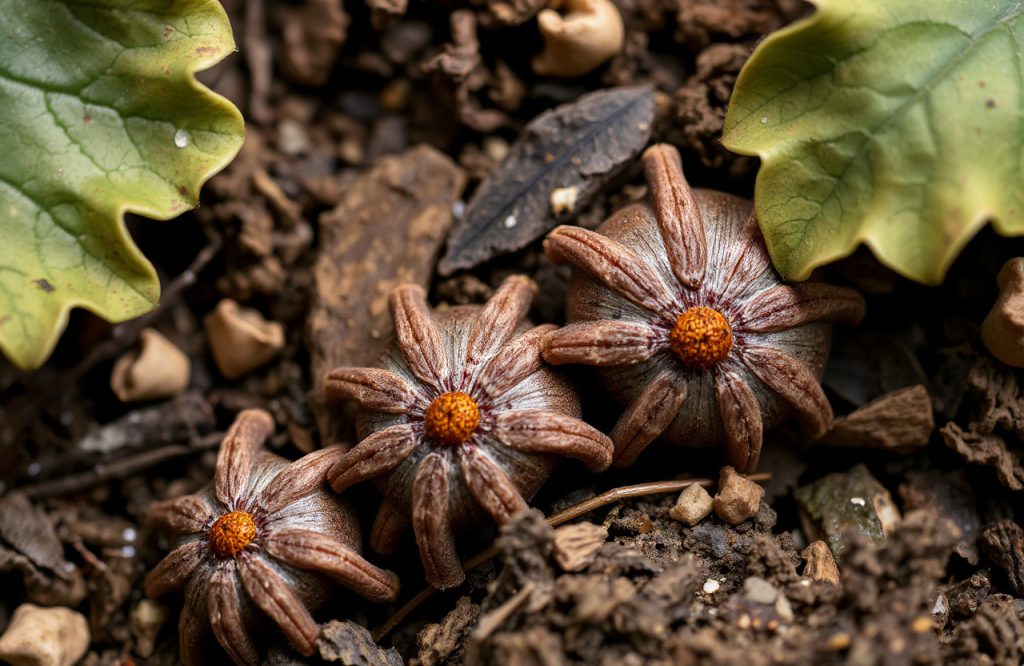
Understanding Coccidioidomycosis: A Comprehensive Guide to Valley Fever
What is Coccidioidomycosis?
Coccidioidomycosis, commonly known as Valley Fever, is a lung infection that arises from inhaling a fungus found in desert soils. This fungus predominantly exists in certain regions of the Southwestern United States, including California, Arizona, and Texas, as well as in Mexico and parts of Central and South America.
Is Valley Fever Common?
While Valley Fever is often considered rare, it is more prevalent than many people realize. The Centers for Disease Control and Prevention (CDC) reported over 20,000 cases in the US in 2019 alone. Experts suspect that the actual number of cases is higher due to misdiagnosis and untested infections. Approximately 60% of individuals infected with the fungus may not exhibit symptoms, leading to underreporting. For the remaining 30%, symptoms typically resemble pneumonia or severe flu, including cough, fever, chest pain, and fatigue. This symptom overlap makes Valley Fever challenging to diagnose.
Who Gets Valley Fever?
Valley Fever is not contagious; it cannot be transmitted from person to person or from animals. The primary mode of infection is through inhaling Coccidioides spores from the air. Certain occupations that disturb soil, such as construction, farming, archaeology, and military training, increase the risk of exposure.
Where Does Coccidioides Live?
The Coccidioides fungus thrives in dry, dusty, desert-like soil, commonly found in states like Arizona, California, New Mexico, and Texas, as well as in Mexico. The risk of inhaling spores rises during dry seasons or windy conditions, as dust storms and activities that disturb the soil can disperse the spores into the air.
Who is More Likely to Get Really Sick?
Individuals with weakened immune systems, such as those living with HIV/AIDS or undergoing cancer treatment, are more susceptible to severe infections. Pregnant individuals are also at higher risk due to changes in their immune response during pregnancy. Additionally, research indicates that people of African American or Filipino descent face a significantly increased risk of severe disease.
What are the Symptoms of Coccidioidomycosis?
Symptoms of Coccidioidomycosis can vary widely. Many may remain asymptomatic, while those who do exhibit symptoms typically do so within one to three weeks of exposure. Common symptoms include:
– Fever and fatigue
– Cough and chest pain
– Headache and body aches
– Night sweats
– Skin rash
– Shortness of breath
How is Coccidioidomycosis Diagnosed?
Diagnosing Coccidioidomycosis often involves ruling out other respiratory illnesses like the flu or pneumonia. Physicians gather patient history, geographic information, and symptoms before conducting specific tests, which may include:
– Blood tests for antibodies indicating an immune response
– Imaging studies such as chest X-rays or CT scans to identify signs of infection
– Sputum or tissue samples for laboratory analysis to detect the fungus
– Physical examinations for visible signs of infection, such as rashes or swollen lymph nodes
Is There a Cure for Coccidioidomycosis?
Most mild Valley Fever cases resolve without medical intervention. Supportive care, including rest and hydration, often suffices. However, moderate to severe cases may require antifungal medications, such as amphotericin B and ketoconazole, to inhibit fungal growth. Newer antifungal options with fewer side effects are also available, including isavuconazole and voriconazole. Long-term therapy and close monitoring may be necessary for chronic cases, with surgical intervention being rare.
Does Coccidioidomycosis Have Complications?
Chronic Coccidioidomycosis can occur if symptoms persist or worsen, indicating that the immune system has not fully eradicated the fungus. Symptoms may include:
– Persistent cough with mucus
– Weight loss and fatigue
– Night sweats and chest discomfort
– Lung nodules identified through imaging tests
Disseminated Coccidioidomycosis is a rare but severe form where the fungus spreads beyond the lungs, potentially affecting the skin, bones, joints, or central nervous system. Symptoms vary based on the affected area.
What Causes Valley Fever?
Coccidioidomycosis begins when a person inhales tiny fungal spores from dry soil. The spores, known as arthroconidia, are released when soil is disturbed. Once inhaled, the spores travel to the lungs, where they transform into spherules filled with endospores. The three stages of the disease include:
1. Initial (Acute) Stage: The fungi multiply in the lungs, causing flu-like symptoms.
2. Resolution or Recovery Stage: Most healthy individuals manage to control the infection within weeks, often without treatment.
3. Chronic or Disseminated Phase: In some, particularly those with weakened immune systems, the infection persists or spreads, requiring long-term antifungal treatment.
How Can I Avoid Valley Fever?
Currently, no vaccine exists for Valley Fever. To reduce the risk of infection, individuals should limit dust inhalation, especially in high-risk areas. Practical measures include:
– Avoiding outdoor activities during dust storms
– Keeping windows and doors closed on windy days
– Wearing masks for outdoor work
Employers in high-risk industries should implement safety measures to minimize dust exposure, such as wetting soil before excavation and maintaining air quality in work vehicles. Proper training on Coccidioides risks and symptoms is crucial for workers.
References
A comprehensive list of studies and articles is available for further reading on Coccidioidomycosis and Valley Fever, detailing the latest research and treatment options.