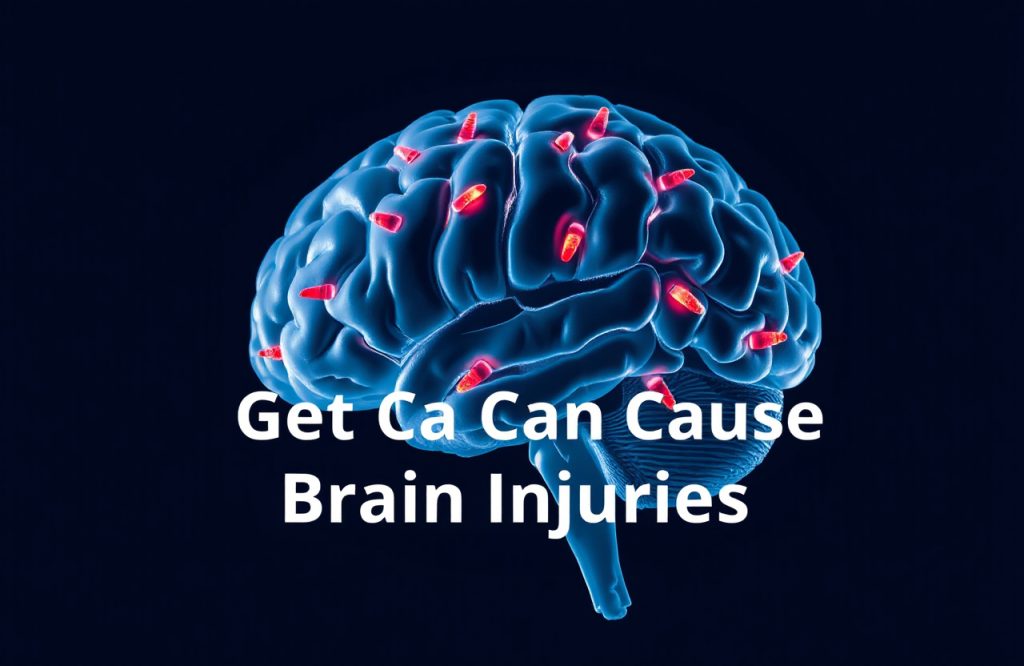
Understanding Brain Injuries
The Impact of Brain Injuries
Sustaining a brain injury is an unfortunate event that can drastically alter a person’s life. Recovery may be lengthy, and individuals may not return to their previous state. A brain injury can change personality, speech, and motor functions. Two common types of brain injuries are concussions and traumatic brain injuries (TBIs). A TBI is a severe form of brain damage, and medical professionals use a 15-point scale to assess its severity.
Common Causes of Brain Injuries
While it’s impossible to completely prevent brain injuries, being aware of common situations that lead to them can help individuals take necessary precautions.
Work-Related Injuries
Certain occupations carry a higher risk of brain injuries. Jobs in construction, for example, are particularly hazardous due to the presence of heavy materials and equipment. A falling object, even with a helmet, can still result in a brain injury. Workers in such fields should always prioritize safety measures but must acknowledge the inherent risks associated with their jobs.
Slip-and-Fall Situations
Slip-and-fall accidents are common and can occur in various settings. For instance, a wet floor in a store without warning signs can lead to serious injuries. Additionally, icy sidewalks pose a significant risk, especially during winter months. Homeowners can mitigate risks by salting their driveways and steps, but caution is necessary in public areas where conditions may be unknown. Always be vigilant after snow or ice storms to avoid falls that can cause brain injuries.
Sports-Related Injuries
Participation in sports presents another risk factor for brain injuries. High-contact sports like American football expose players to severe impacts, and even protective gear like helmets has its limitations. Notable athletes such as Junior Seau and Aaron Hernandez faced life-altering changes due to repeated concussions. However, risks are present in nearly all sports; a baseball player can be hit by a line drive, while soccer and hockey players can suffer injuries from collisions. Even low-contact sports like golf carry risks from stray golf balls. Whether playing professionally or recreationally, athletes should remain aware of the dangers.
Car Crashes
Car accidents are a significant cause of brain injuries, often occurring unexpectedly. Even confident drivers can find themselves in dangerous situations due to the actions of others. While minor fender benders may not cause injury, more severe collisions, such as T-bone accidents, can lead to concussions or TBIs if the head strikes an object inside the vehicle. Rollover accidents are particularly hazardous, and survivors may face lasting effects. It is essential to recognize the potential consequences of car crashes and take steps to minimize risks.
Conclusion
The prospect of suffering a brain injury is daunting, as it can lead to profound changes in one’s life. By understanding common causes and taking precautions, individuals can work towards reducing the likelihood of such injuries.
Image by RDNE from Pexels
The editorial staff of Medical News Bulletin had no role in the preparation of this post. The views and opinions expressed in this post are those of the advertiser and do not reflect those of Medical News Bulletin. Medical News Bulletin does not accept liability for any loss or damages caused by the use of any products or services, nor do we endorse any products, services, or links in our Sponsored Articles.