Increasing Cases of Chest Pain: Understanding Costochondritis
What is Costochondritis?
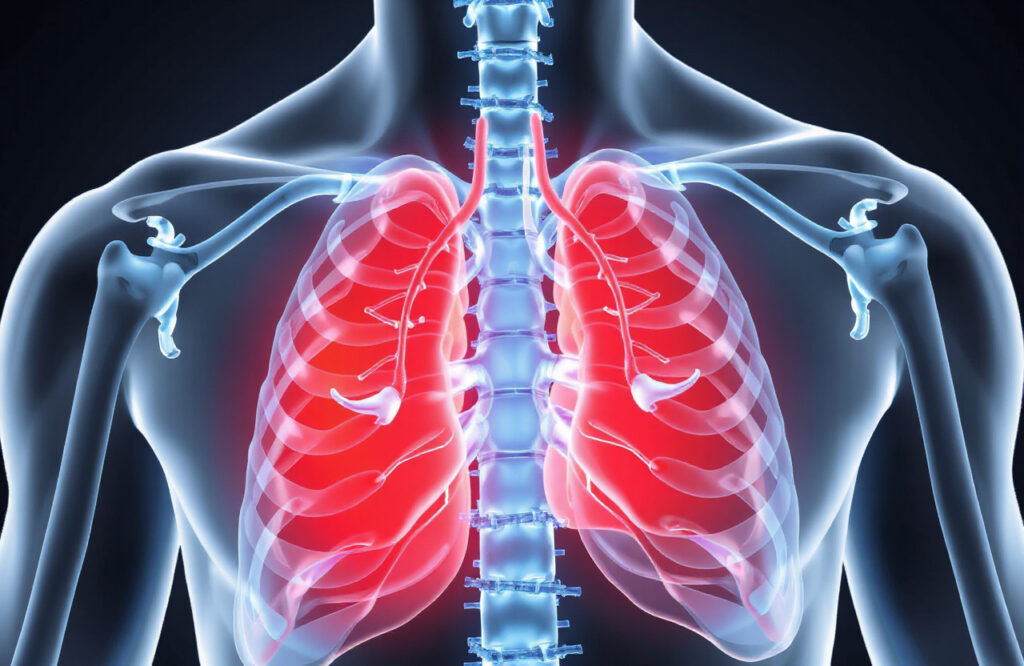
Costochondritis refers to the inflammation of the cartilage that connects the ribs to the sternum, the central bone in the chest wall. This condition often manifests as a sharp and stabbing pain, frequently mistaken for heart-related issues. It can follow an infection, injury, or conditions such as autoimmune arthritis. Seeking medical attention is essential for relief and prompt resolution of symptoms.
Costochondritis Symptoms
Individuals experiencing costochondritis may observe several symptoms, including:
– Sharp, stabbing pain in the front of the chest, especially during coughing or movement.
– Pain that worsens with physical exertion.
– Pain that radiates to the back or underarm, resembling heart attack symptoms.
– Soreness and tenderness upon touching the area where the ribs meet the sternum.
– Possible swelling and warmth at the costochondral junction.
– A history of chest injuries or recent viral or bacterial infections.
Differentiating Costochondritis from Heart Attack Pain
While both costochondritis and heart attacks can cause similar chest pain, certain characteristics can help differentiate them:
– Heart attacks often accompany nausea, sweating, and lightheadedness, which are absent in costochondritis.
– Pain intensity during a heart attack remains constant or increases, whereas it typically lessens in costochondritis when the triggering activity ceases.
– Costochondritis pain typically responds to non-steroidal anti-inflammatory drugs (NSAIDs), unlike pain from a heart attack.
– Electrocardiogram (ECG) changes are associated with heart attacks but not with costochondritis.
If you experience severe chest pain along with nausea, vomiting, or lightheadedness, seek immediate medical attention, as timely intervention can be life-saving.
Causes of Costochondritis
While there is no singular cause for costochondritis, several factors may contribute:
1. Trauma to the chest, particularly around the rib and sternum areas.
2. Infections caused by viruses or bacteria.
3. Repetitive movements, such as heavy lifting or intense coughing.
4. Chronic conditions, such as autoimmune diseases, may also play a role.
Risk Factors for Costochondritis
Costochondritis can affect anyone, but certain factors may increase its likelihood:
1. Age: Individuals under 40 are more prone to the condition.
2. Gender: It appears to be more common in men than women.
3. Physical activity: Those engaged in vigorous exercise, such as weightlifting, are at greater risk.
4. Chest injuries.
5. Genetic autoimmune conditions, such as ankylosing spondylitis.
6. Poor posture, which can create strain on the chest and ribcage.
Diagnosis of Costochondritis
Diagnosing costochondritis involves several steps:
– A thorough medical history is obtained, detailing both current and past symptoms. The doctor may investigate other potential conditions.
– A general and localized physical examination is performed to check for signs such as swelling, redness, and tenderness.
– Based on the medical history, the doctor may suspect costochondritis and order diagnostic tests, which could include chest X-rays, CT scans, or MRIs.
– Blood tests, such as a Complete Blood Count (CBC), Erythrocyte Sedimentation Rate (ESR), and vitamin levels may also be conducted.
Once all results are available, the doctor will confirm the diagnosis.
Treatment for Costochondritis
Treatment options for costochondritis may include:
– Ensuring adequate rest and avoiding strenuous activities to promote recovery.
– Over-the-counter pain relievers, such as NSAIDs like ibuprofen or naproxen, to alleviate significant pain.
– Applying heat or ice to the inflamed area to reduce swelling.
– Engaging in physical therapy to enhance posture and mobility for better healing.
– Following prescribed medications to address inflammation and underlying conditions, such as arthritis or injuries.
– Steering clear of activities that exacerbate pain, particularly heavy lifting.
– Utilizing relaxation techniques to relieve chest muscle tension and discomfort.
Adhering to the recommended treatment plan and maintaining regular follow-ups with a healthcare provider are crucial for effective management of costochondritis.