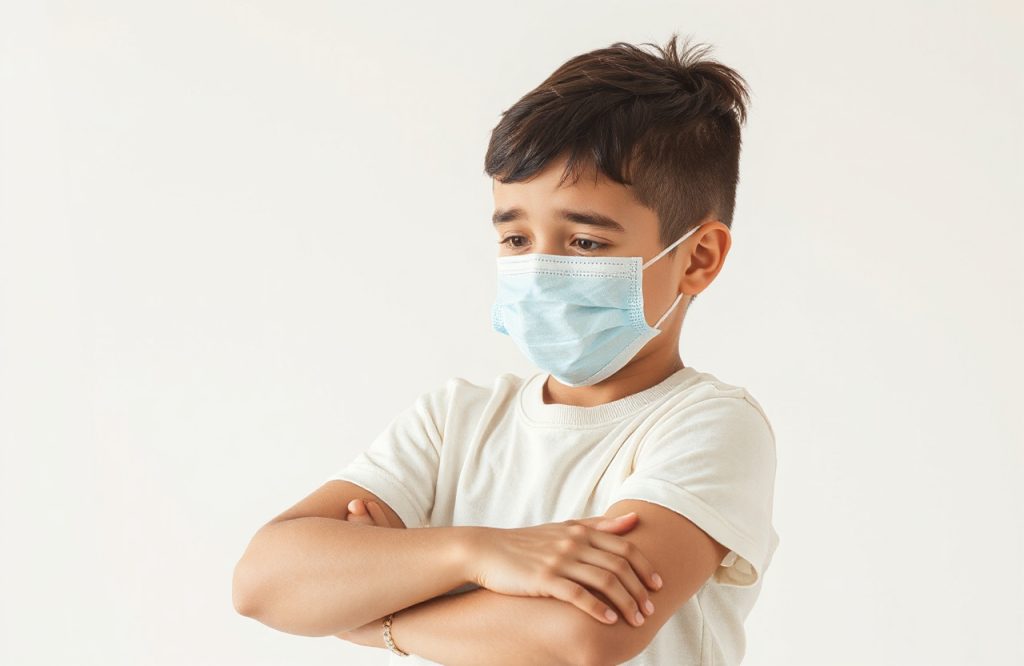
Anxiety in Young Children During the COVID-19 Pandemic
Introduction to the Issue
Psychologists have examined the anxiety experienced by young children as a result of the COVID-19 pandemic. It is common for children to exhibit anxiety when confronted with changes in their environment. Research indicates that, during non-pandemic periods, approximately 15.7% of adolescents and 2.7% of young children exhibit symptoms of health-related anxiety. However, the question arises: how can parents discern when a child’s anxiety has escalated beyond typical levels, warranting professional intervention?
Research Insights from the University of Bath
A team of researchers from the University of Bath conducted a review study aimed at understanding the assessment and treatment of health-related anxiety in young children affected by COVID-19. Their findings were published in the *Behavioural and Cognitive Psychotherapy Journal*.
Challenges in Understanding Anxiety
Diagnosing anxiety in young children can be challenging due to varying developmental stages. Children often instinctively seek reassurance from their parents, making it difficult to determine if their anxiety requires medical attention. During the pandemic, such worries may intensify, affecting daily activities.
Distinguishing Between Age Groups
The study made a distinction between anxiety in young children and that in adolescents, as the manifestations differ significantly. The researchers categorized their findings into individual factors and those specifically related to the COVID-19 pandemic.
Diagnosis of Anxiety in Young Children
Accurate diagnosis of anxiety in young children poses challenges, especially since young children with anxiety often exhibit other anxiety disorders. The researchers found that a combination of parent and child interviews, self-assessment questionnaires, and medical staff observations are the most effective methods for diagnosis.
Treatment Options for Young Children
There are limited specific treatments available for anxiety in young children. One effective approach is cognitive behavioral therapy (CBT), which aims to reduce stress, minimize safety-seeking behaviors, and clarify signs that children may misinterpret as symptoms requiring concern.
Normalizing Health-Related Anxiety
The researchers acknowledge that experiencing health-related anxiety during the COVID-19 pandemic is a normal reaction for children. However, for those who experience debilitating anxiety, there are methods for accurate diagnosis and various treatment options.
Recommendations from Experts
In a press release, Dr. Maria Lodes from the University of Bath’s Department of Psychology emphasized the importance of addressing both academic and emotional needs as children return to school. She stated, “A big part of this is having the time and space to connect with one another, through play, which gives them a chance to process emotions and share experiences. It will take time for children and young people to adjust.” Dr. Lodes stressed the importance of recognizing the signs of anxiety and intervening early, while also avoiding the pathologization of normal responses to the pandemic. She concluded, “We all need to work together to ensure children and young people are able to live their lives to the fullest.”
References
1. Haig-Ferguson A, Cooper K, Cartwright E, Loades M, Daniels J. Practitioner Review: Health Anxiety in Children and Young People in the Context of the COVID-19 Pandemic. Behav Cogn Psychother. 2020:1-34. doi:10.1017/s1352465820000636.