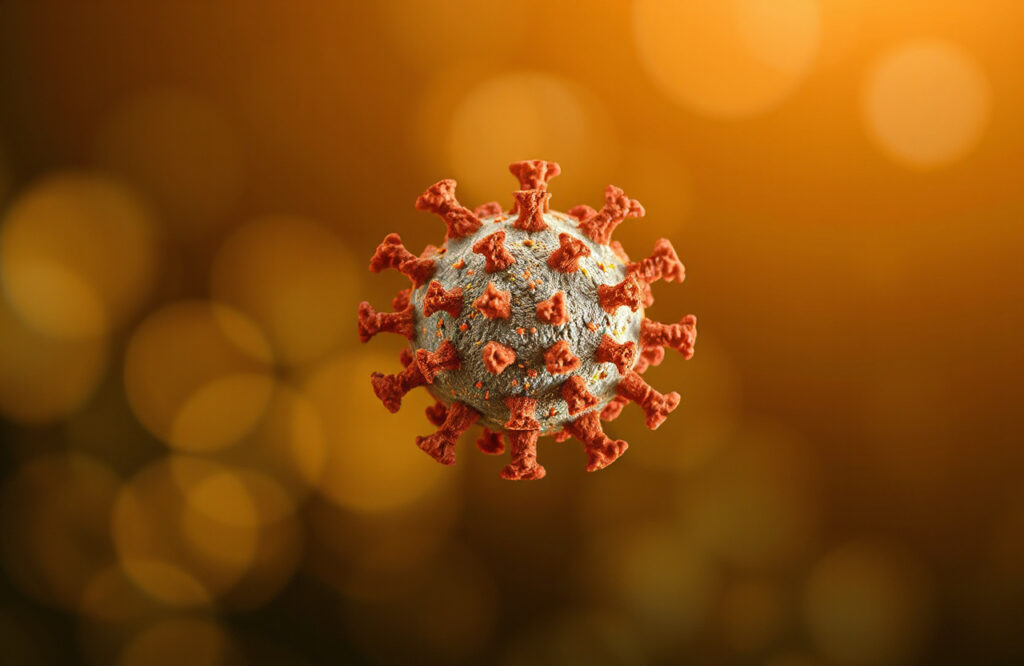
What is a Coronavirus?
Coronaviruses belong to a large family of viruses that primarily cause infections in the nose and upper throat. Historically, this virus family included notable strains such as SARS (Severe Acute Respiratory Syndrome) and MERS (Middle East Respiratory Syndrome).
What is Distinct About Coronavirus (COVID-19)?
COVID-19 refers to a novel strain of coronavirus that had not been previously identified in humans. This disease is caused by the SARS-CoV-2 virus and can lead to respiratory tract infections, affecting both the upper respiratory tract (nose and throat) and the lower respiratory tract (windpipe and lungs).
How Can COVID-19 Be Spread?
COVID-19 primarily spreads through respiratory droplets when an infected individual coughs or sneezes. These droplets can linger in the air or settle on surfaces. A person may contract the virus by touching a contaminated surface and then touching their eyes, nose, or mouth.
What are the Symptoms of COVID-19?
The main symptoms associated with COVID-19 include:
- Fever
- Runny Nose
- Dry Cough
- Sore Throat
- Shortness of Breath
- Headache
- Body Aches
- Tiredness
- A Rash on the Skin
Prevention of COVID-19
To prevent the spread of COVID-19, consider the following measures:
- Wash your hands regularly with soap.
- Use alcohol-based sanitizers when outdoors.
- Maintain social distancing of at least one meter.
- Avoid touching your face after handling objects outdoors.
- Wear a mask or cover your face with cloth.
- Stay home if you feel unwell.
- Avoid smoking, as it can weaken lung function.
List of Tests for COVID-19
The primary tests available for COVID-19 include:
- COVID-19 RT PCR Swab Test
- SARS-CoV-2 Antigen Testing
- Rapid Blood Antibody Test
What is the SWAB RT PCR Test?
The RT PCR test is designed to detect the presence of coronavirus using a nasopharyngeal sample, commonly known as a nasal swab. This test is conducted using a viral transport testing kit (VTM kit).
How Does It Work?
A swab sample is collected from the nose and throat of the individual and sent to a microbiology lab in VTM kits, which are liquid-filled tubes for analysis. A biotechnician then employs a technique called reverse transcriptase-polymerase chain reaction (RT-PCR) to ascertain whether the sample is positive or negative for the virus. The RT-PCR process may take several hours to a few days to yield results due to the detailed work involved in analyzing the collected samples. The technician extracts viral genetic material (RNA) from the sample and uses it to create a complementary strand of DNA, which ensures accurate results. The RT-PCR technique is known for its sensitivity and reliability.
What is SARS-CoV-2 Antigen Testing?
The antigen test is another diagnostic method that relies on the immunodetection of viral antigens. This test determines whether individuals carry the virus based on the presence of specific antigens.
How Does the Antigen Test for COVID-19 Work?
There are primarily two antigens associated with the coronavirus: the S (Spike) protein and the N (Nucleocapsid) protein. The nucleocapsid protein is the preferred target for antigen tests due to its abundance and preservation. Antigen detection can be performed using various methods, requiring a pair of antibodies that appropriately bind to the target with high sensitivity and specificity.
What is a Rapid Antibody Blood Test?
The rapid antibody test, also known as a serological test, is used to determine if a person has recovered from a coronavirus infection. It helps identify evidence of past exposure to the virus quickly and is an effective tool for managing outbreaks.
How Does the Antibody Test for COVID-19 Work?
This blood test can deliver results within 10 to 15 minutes by detecting both IgM and IgG antibodies. However, it is important to note that this test is not a definitive diagnostic tool for current coronavirus infections.
Steps for Conducting the Antibody Test
- Collect blood, plasma, or serum samples.
- Add the blood sample to the designated sample well.
- Place 2-3 drops of buffer in the sample well.
- Read the results after 10-15 minutes.