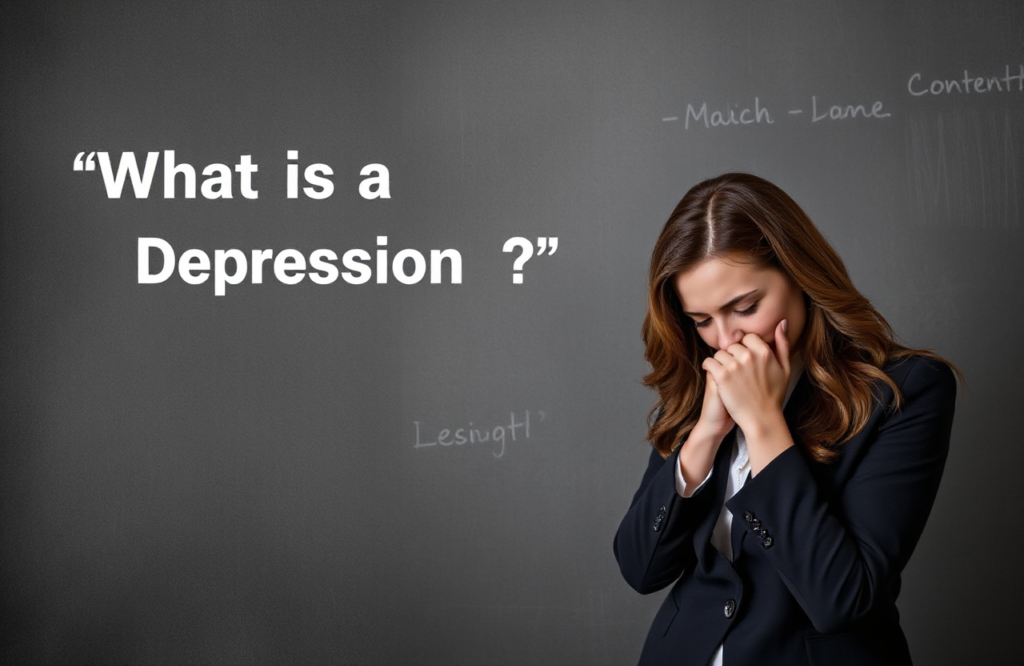
Understanding Depression
Definition of Depression
Depression is classified as a mental disorder characterized by persistent symptoms that last for at least two weeks. Also referred to as major depressive disorder (MDD) or clinical depression, it affects individuals worldwide, with over 264 million people across various age groups experiencing its impact. Women are more frequently affected than men, largely due to social factors such as gender inequality and biological issues including reproductive cycle disorders, hormonal imbalances, infertility, and miscarriage.
Symptoms of Depression
Depression manifests differently in each individual. Below are ten common symptoms associated with this condition:
1. Low Mood and Sadness
Individuals with depression often experience prolonged mood swings that disrupt daily life. Symptoms may include persistent sadness, anxiety, low self-esteem, fatigue, and frustration, which hinder the ability to engage in previously enjoyable activities.
2. Sleep Problems
There is a significant connection between depression and sleep. Many individuals suffering from depression encounter sleep disturbances, including insomnia and hypersomnia. Doctors may hesitate to diagnose depression if sleep issues are not present.
3. Suicidal Thoughts
Major depression elevates the risk of suicide. A substantial number of individuals who die by suicide have underlying mental disorders. Depressed individuals may view suicide as a final escape when they feel devoid of other options for relief.
4. Changes in Appetite
Depression can lead to alterations in eating habits, with some individuals experiencing increased appetite while others suffer from decreased appetite. Emotional eating in response to negative thoughts can result in weight fluctuations and health complications, often leading to unhealthy food choices.
5. Reduced Social Interactions
People exhibiting significant depressive symptoms often experience negative social interactions and may react strongly to them. This leads to fewer positive social encounters, resulting in social isolation, loneliness, and feelings of rejection.
6. Impaired Work Performance
Depression can hinder concentration, decision-making, and memory, negatively impacting work performance. Increased job stress and poor social relations with colleagues can further exacerbate these issues, potentially leading to job loss and career setbacks.
7. Adverse Health Effects
Depression is associated with various physical health issues, including:
- Headaches
- Excessive sweating
- Sensations of coldness
- Dizziness
- Nausea
- Hair loss
- Cardiac arrhythmias
- Shortness of breath
- Back pain
- Low sex drive
8. Substance Abuse
To cope with their depressive state, individuals may turn to alcohol or drugs as a form of self-medication. Mental health disorders, including depression, significantly increase the risk of substance abuse.
9. Low Energy and Fatigue
Depression affects neurotransmitters in the brain that regulate alertness and energy. Consequently, individuals may experience sleep disturbances leading to fatigue, which can be compounded by feelings of sadness and loneliness.
10. Feelings of Failure or Guilt
Self-blame and feelings of worthlessness often accompany depression. Intensified guilt can lead to negative thought patterns, and frequent thoughts of failure can further contribute to the cycle of depression.
The Importance of Early Detection
Globally, the incidence of depression is increasing, making it a leading cause of disability. Despite the availability of effective treatments, many individuals do not seek help for their mental health issues. Early recognition of depression symptoms is crucial, as failure to address them may lead to severe health complications, including disability, psychotic episodes, and even suicide. It is vital to identify these early signs and take appropriate actions to address them.