Understanding Blood Pressure Measurement Discrepancies
In-clinic vs. Home Blood Pressure Monitoring
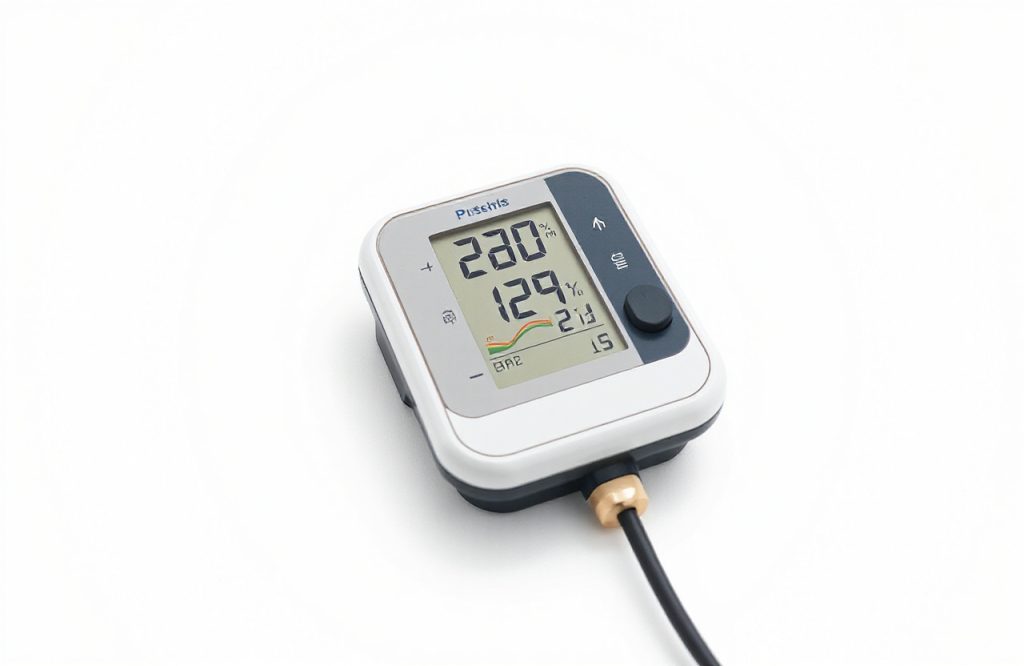
Blood pressure readings taken in a clinical setting may not accurately represent a person’s blood pressure in everyday life. Utilizing a home blood pressure monitor can uncover instances of hypertension that might go undetected in a clinic. High blood pressure, known as hypertension, significantly increases the risk of heart disease and stroke. Before doctors can prescribe medications or recommend lifestyle changes to lower blood pressure, they must first identify patients with hypertension.
Variability of Blood Pressure Readings
Blood pressure can fluctuate throughout the day, influenced by various physiological and psychological factors. Consequently, clinical measurements may not reflect the true blood pressure experienced by patients outside the clinic. In fact, research indicates that nearly 50% of patients with hypertension may show normal blood pressure readings in a clinical environment, a condition referred to as “masked hypertension.” Individuals with masked hypertension are at double the risk of developing cardiovascular disease compared to those with genuinely normal blood pressure.
The Role of Home Blood Pressure Monitoring
Research Study Overview
A recent study conducted in Japan examined whether patients with masked hypertension, as identified by home blood pressure readings, faced a heightened risk of strokes or heart attacks due to coronary artery disease. The findings were published in the scientific journal JAMA Cardiology.
Study Participants and Methodology
The study involved 4,261 patients in Japan, all of whom had a history of cardiovascular disease or exhibited risk factors such as diabetes and metabolic syndrome. Approximately 80% of participants were already on medication to lower blood pressure. With an average age of 65, more than half were women. Researchers measured participants’ blood pressure in the clinic according to standard procedures and provided each with a home blood pressure monitor to use twice daily for two weeks.
Results of the Study
Incidence of Masked Hypertension
In the study, just over half of the patients recorded elevated blood pressure levels in the clinic, defined as readings above 140/90 mm Hg. Additionally, 20% of patients exhibited masked hypertension, meaning they had high blood pressure readings at home but not in the clinic. Consequently, 40% of those with normal clinic readings were actually experiencing masked hypertension. A smaller subset had high blood pressure at the clinic but not at home.
Health Metrics and Follow-up
The researchers collected blood and urine samples to measure B-type natriuretic peptide (BNP) levels and the albumin-to-creatinine ratio, both of which can indicate heart damage. Patients with masked hypertension showed elevated levels of these markers compared to those with normal blood pressure. Moreover, the highest concentrations were observed in patients with high blood pressure readings at both home and clinic.
Patients were monitored for up to six years post-measurement, revealing that those with masked hypertension were over three times more likely to experience a stroke than those with normal blood pressure. Alarmingly, their stroke risk was comparable to that of patients with high blood pressure in both settings.
Stroke and Heart Attack Rates
To provide context, during the six-year monitoring period, only 1% of patients with normal blood pressure suffered a stroke, compared to over 3% of patients with either masked or diagnosed hypertension. However, blood pressure levels—whether at home or in the clinic—did not influence the risk of coronary artery disease, with around 2% of patients across all groups experiencing a heart attack.
Conclusion: The Importance of Home Monitoring
Limitations and Future Directions
While the study was observational and did not evaluate the effectiveness of anti-hypertensive medications in patients with masked hypertension, it highlighted that home blood pressure monitoring could effectively identify these patients. Those diagnosed with masked hypertension share a similar stroke risk with those whose hypertension is detectable in clinical settings.
Using a home blood pressure monitor may serve as a valuable supplement to traditional clinical measurements. However, further clinical research is necessary to confirm whether managing home blood pressure can reduce the risk of disease and mortality, as well as to examine the cost-effectiveness of this approach.
Written by Bryan Hughes, PhD
Related Topics
- Is poor oral health linked to worse blood pressure control?
- Nitrate-rich Vegetables and the Lowering of Blood Pressure Myth
- Can dementia be prevented with stricter blood pressure control?
- Ambulatory blood pressure monitoring may help prevent premature deaths
- How do smoking, diabetes, and blood pressure affect heart attacks in women?
- Developers test new blood pressure app for iPhone
Reference
Fujiwara, T., Yano, Y., Hoshide, S., Kanegae, H. & Kario, K. Association of cardiovascular outcomes with masked hypertension defined by home blood pressure monitoring in a Japanese general practice population. JAMA Cardiology (2018)