Public Health Concerns Surrounding E-Cigarettes and Vaping
Rising Research and Regulatory Responses
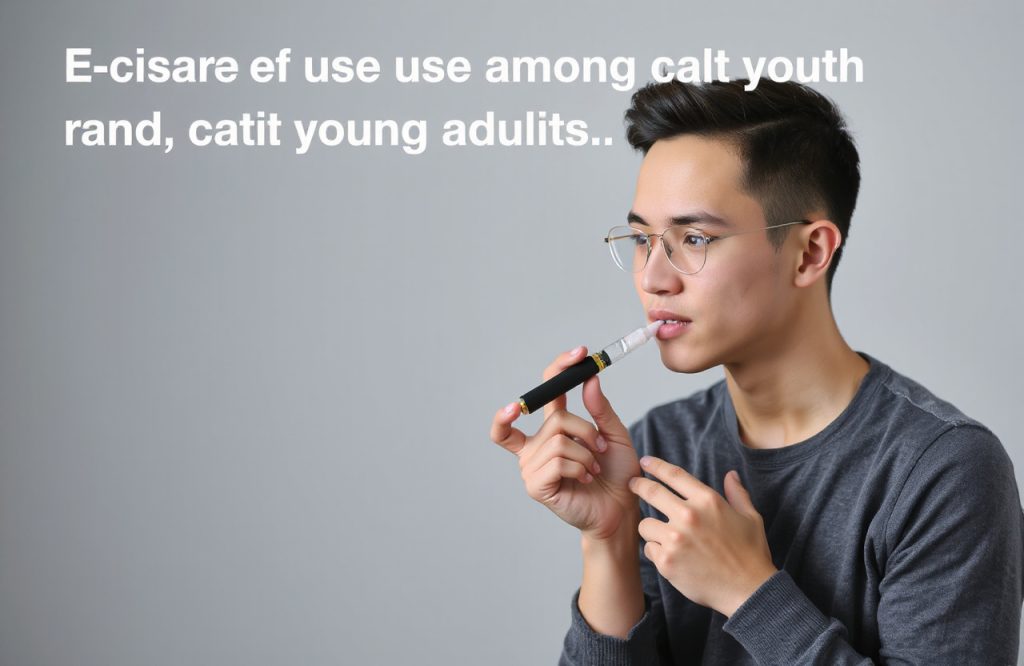
The growing body of research highlighting the detrimental effects of e-cigarettes and vaping, particularly among youth and young adults, has raised significant public health concerns. In 2016, the FDA implemented a nationwide ban on e-cigarette sales, a move that was echoed by 8 out of 10 Canadian provinces between 2015 and 2017, culminating in a nationwide ban in Canada in 2018.
Increase in Vaping Among Youth
Data from online surveys conducted as part of the International Tobacco Control Policy Evaluation Project (ITC) shed light on the trends in vaping among adolescents. These surveys included around 13,000 participants aged 16 to 19 from Canada, England, and the United States. Participants were asked about their smoking and vaping behaviors, including device preferences.
The findings indicated a surge in vaping frequency among young people in Canada and the US between 2017 and 2018, with no similar increase reported in England. The rise was noted across various categories, including overall vaping, usage in the past month, within the last week, and during 15 or more days in the previous month. Additionally, the study revealed a concerning correlation between vaping and smoking among adolescents, with Canada and England witnessing increased teen smoking rates, while the US did not experience such an increase.
Impact of Bans on E-Cigarette Sales to Youth
Effectiveness of Sales Bans
Research examining the impact of sales bans on e-cigarettes revealed that, despite these restrictions, e-cigarette use among youths reportedly increased. Notably, in areas where bans were enforced, the rise in usage was smaller (from 5.3% to 5.6%) compared to areas without bans (4.4% to 9.7%). While the ban on e-cigarette sales to minors appeared to have a significant impact on usage rates, researchers emphasized the need for additional measures. They recommended supplementary strategies, such as banning flavored e-cigarettes that appeal to younger demographics.
Effectiveness of In-School Prevention Programs
CATCH My Breath Program
In Texas, twelve middle schools adopted the CATCH My Breath vaping prevention program, considered the first evidence-based initiative aimed at reducing vaping among students in the United States. The program integrates teachers and students through four interactive modules and various social messaging tactics.
A study found that schools implementing the CATCH My Breath program reported lower e-cigarette usage compared to those that did not participate. Students in these schools were half as likely to experiment with vaping. The program continues to expand, with an elementary school version in development and ongoing research to assess its effectiveness. CATCH My Breath has now been introduced in over 2,000 schools across the U.S., marking a significant advancement in health education for adolescents amid rising concerns about vaping.
The Link Between E-Cigarette Use and Smoking Initiation
Gateway to Traditional Smoking
A study revealed alarming statistics regarding the relationship between e-cigarette use and future smoking habits among teens. Among non-smokers who had never smoked or were unlikely to smoke, 45.2% of those who had used e-cigarettes reported trying traditional cigarettes two years later. In contrast, only 13.5% of non-e-cigarette users attempted smoking within the same timeframe.
For teens already identified as likely to smoke, 62.4% who had used e-cigarettes tried traditional cigarettes within two years, compared to 36.1% of non-e-cigarette users. This data suggests that e-cigarettes are becoming a new gateway for a generation of smokers, including those who previously showed no interest in smoking.
The Role of Celebrity Endorsements in E-Cigarette Perception
Influence of Celebrity Marketing
Research indicates that celebrity endorsements significantly enhance positive attitudes towards e-cigarettes and intentions to smoke compared to non-celebrity endorsements and traditional advertisements. The marketing of e-cigarettes, particularly by well-known figures, has been linked to various health risks, including cell damage, lung inflammation, asthma, and respiratory infections. Additionally, nicotine exposure during adolescence can adversely affect memory, attention, and emotional regulation.
References
1. Hammond, D., et al. (2019). Prevalence of vaping and smoking among adolescents in Canada, England, and the United States: Repeat national cross sectional surveys. BMJ (Online), 365.
2. Nguyen, H. V. (2019). Association of Canada’s Provincial Bans on Electronic Cigarette Sales to Minors with Electronic Cigarette Use Among Youths, JAMA Pediatr.
3. Kelder, S., et al. (2020). A Middle School Program to Prevent E-Cigarette Use: A Pilot Study of “CATCH My Breath”. Public Health Reports.
4. Aleyan, A., et al. (2017). Risky business: a longitudinal study examining cigarette smoking initiation among susceptible and non-susceptible e-cigarette users in Canada. BMJ Open.
5. Phua, J., et al. (2018). Celebrity-endorsed e-cigarette brand Instagram advertisements: Effects on young adults’ attitudes towards e-cigarettes and smoking intentions. J Health Psychol.