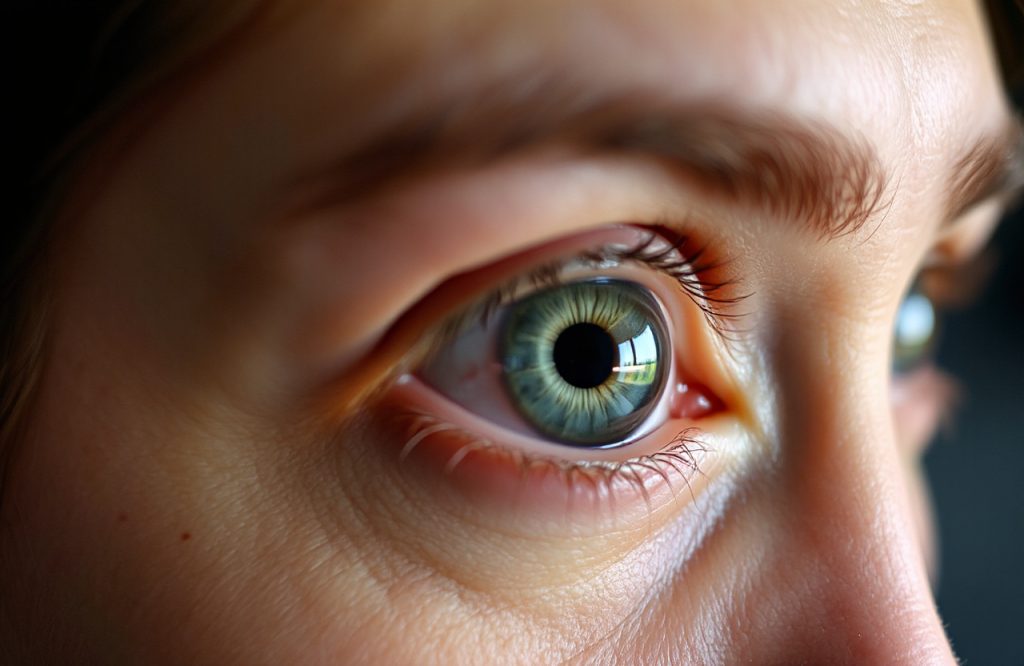
What is Glaucoma?
Glaucoma encompasses a range of conditions that damage the optic nerve, which plays a crucial role in transmitting visual information to the brain. If left untreated, this damage can result in blind spots in vision and ultimately lead to blindness over time.
Symptoms
Types of Glaucoma
The most prevalent form of glaucoma is open-angle glaucoma, which often presents without noticeable warning signs. Vision changes typically become apparent only in the later stages when the damage is irreversible. In contrast, acute angle-closure glaucoma represents a medical emergency that necessitates immediate intervention.
Common Symptoms
Symptoms can manifest in both eyes and vary based on the type and stage of glaucoma. For open-angle glaucoma, individuals may experience patchy blind spots in their peripheral or central vision, progressing to tunnel vision in advanced stages.
In the case of acute angle-closure glaucoma, symptoms may include:
- Severe eye pain
- Redness of the eye
- Intense headache
- Blurred vision
- Nausea and vomiting
- Seeing halos around lights
- Tunnel vision
Causes of Glaucoma
Damage to the optic nerve in glaucoma is primarily caused by elevated intraocular pressure. This increase in pressure results from a buildup of aqueous humor, the fluid that circulates within the eye. Normally, this fluid drains through the trabecular meshwork located at the drainage angle where the iris meets the cornea. When fluid accumulates or drains improperly, intraocular pressure rises.
Open-Angle Glaucoma
In open-angle glaucoma, the drainage angle remains open, but the trabecular meshwork becomes obstructed. This blockage gradually elevates eye pressure, leading to optic nerve damage.
Angle-Closure Glaucoma
Angle-closure glaucoma, sometimes referred to as closed-angle glaucoma, occurs when the iris bulges, narrowing or blocking the drainage angle. This condition impedes aqueous humor circulation, resulting in increased eye pressure. Angle-closure glaucoma can develop suddenly (acute) or gradually over time (chronic).
Risk Factors for Glaucoma
Several factors can increase an individual’s risk of developing glaucoma, including:
- A family history of glaucoma
- Age over 60
- Ethnic background (African-American, Hispanic, Japanese, Russian, Scandinavian, or Irish)
- High intraocular pressure
- Nearsightedness
- Previous eye trauma
- Deficient estrogen
- Chronic use of corticosteroid eye drops
- History of heart disease, high blood pressure, diabetes, or sickle cell anemia
- Genetic predisposition to high eye pressure
Diagnosis
Diagnosis of glaucoma typically involves a review of the patient’s medical history followed by a comprehensive eye examination. This may include:
- Measuring intraocular pressure
- Assessing optic nerve damage through imaging
- Evaluating vision loss
- Measuring corneal thickness
- Inspecting the drainage angle
Treatment
Vision loss due to glaucoma is irreversible, making early detection and treatment essential to prevent or delay further loss. Routine eye exams are vital, especially after turning 40, with frequency depending on the presence of risk factors.
Treatment for glaucoma is a lifelong commitment aimed at lowering intraocular pressure. Options include:
Eyedrops
Various eyedrops can help manage eye pressure:
- Prostaglandins enhance fluid drainage
- Beta-blockers reduce fluid production
- Alpha-adrenergic agonists decrease fluid production and increase drainage
- Miotic or cholinergic agents boost fluid output
Oral Medications
Oral medications, often used alongside eyedrops, may include carbonic anhydrase inhibitors to reduce fluid production in the eye.
Surgery
Surgical interventions can enhance fluid drainage and lower eye pressure. Options include:
- Laser therapy for open-angle glaucoma
- Filtration surgery to remove part of the trabecular meshwork
- Insertion of drainage tubes to facilitate fluid outflow
- Electrocautery to remove trabecular meshwork
In cases of acute angle-closure glaucoma, prompt treatment is critical, often involving medication and surgical procedures such as laser peripheral iridotomy to create an opening in the iris.
Lifestyle Adjustments
Implementing lifestyle changes can help maintain healthy eye pressure. Recommended habits include:
- Regular exercise
- Reducing caffeine intake
- Consuming fluids in moderation throughout the day
- Using a slightly elevated pillow during sleep
- Adhering to prescribed medications and eyedrops
References
Coleman AL. Advances in glaucoma treatment and management: surgery. Invest Ophthalmol Vis Sci. 2012;53(5):2491-4. https://doi.org/10.1167/iovs.12-9483
Kaufman PK & Rasmussen CA. Advances in glaucoma treatment and management: outflow drugs. Invest Ophthalmol Vis Sci. 2012;53(5):2495-500. https://doi.org/10.1167/iovs.12-9483
Weinreb RN, Aung T & Medeiros FA. The pathophysiology and treatment of glaucoma. A review. JAMA. 2014;311(18):1901-1911. doi:10.1001/jama.2014.3192.
Written By: Anna Zhou