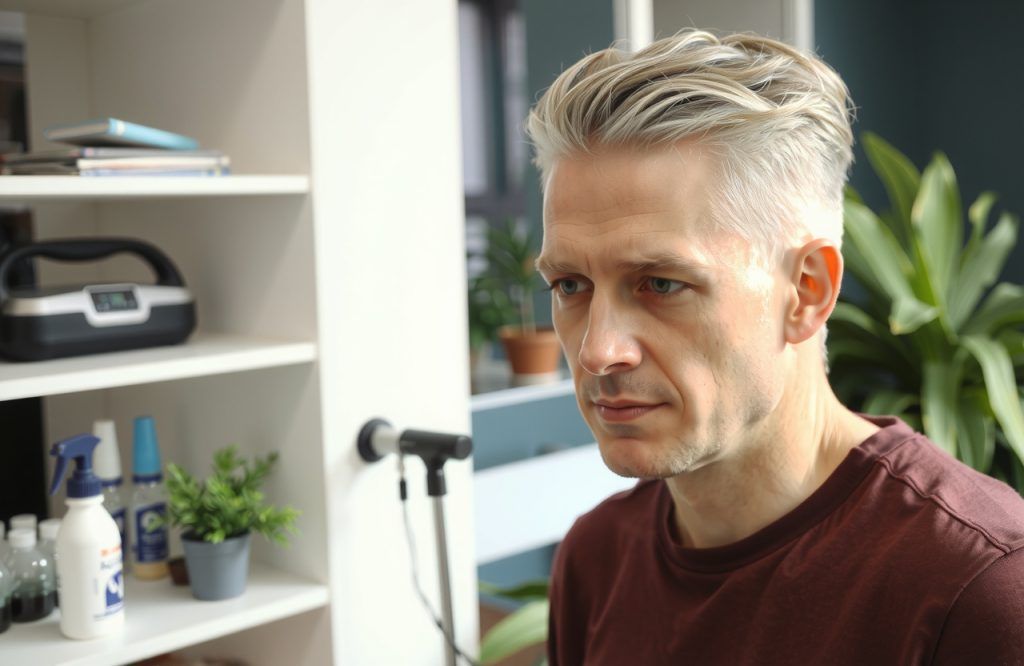
When Hair Changes Signal Thyroid Trouble — It’s Not Always Aging
Introduction: The unexpected moment your hair feels different
At some point many people notice a subtle but unsettling shift: hair that was once full and smooth suddenly feels dry, thin, or lifeless. You haven’t changed shampoos, you haven’t started a new styling routine, and nothing dramatic has happened — yet the texture, volume or shedding pattern feels off. These changes are easy to dismiss as stress, weather, or aging. But when there’s no obvious external cause, the source may be internal. One of the most common internal causes of sudden hair change is a thyroid imbalance.
This article explains the ways thyroid problems can show up in your hair, why those changes happen, and when it’s time to seek medical evaluation.
How the thyroid affects hair health
The thyroid’s role in the body
The thyroid gland helps regulate how fast or slow many of the body’s processes run. Even small shifts in thyroid function can change energy levels, skin condition, and hair quality. Because hair growth depends on timely cell renewal, changes in the body’s metabolism and hormone environment affect both the strength and the appearance of hair.
Key biological effects on hair
– Reduced cell renewal: When thyroid activity slows, the renewal of hair-producing cells can slow too. New hair strands that form under these conditions are often weaker.
– Oil production and scalp health: An underactive thyroid can reduce sebum production. That natural oil protects the scalp and hair; without it, dryness and brittleness develop and topical products may not fully resolve the problem.
– Protein and strand formation: Thyroid hormones influence protein synthesis, which is essential for healthy hair structure. Disturbed protein production can alter hair texture and make strands more fragile.
– Patterns of shedding: Hormone-driven shifts can push more hair into the shedding phase at once, producing sudden increases in hair loss that differ from slow, age-related thinning.
Common hair signs that point to thyroid imbalance
Subtle texture changes
A hair texture that used to be smooth may start to feel rough or coarse. Hair that once held volume may lie flat, and curls may loosen or lose definition. Because these texture shifts often occur gradually, people tend to blame styling or the seasons. But when texture changes appear alongside other unexplained symptoms, thyroid dysfunction is a possible cause.
Persistent dryness that resists treatment
One telltale sign is dryness that doesn’t improve despite changes in haircare. People often try richer conditioners, deep treatments, or targeted products; these may offer temporary relief but rarely solve the problem if an underactive thyroid is the underlying cause. Typical observations include dull hair from root to tip, a tight or itchy scalp, and split or snapping ends that return after treatment.
Shedding that feels out of control
Everyone loses hair daily, but thyroid-related shedding often rises sharply rather than increasing slowly over years. Part lines may widen, temples can thin, and more hair may appear in the shower or on brushes. These changes can come in waves: sudden shedding, a plateau, then another increase — a pattern more characteristic of hormonal shifts than of normal aging.
Unexpected breakage and fragility
When thyroid imbalance weakens hair at the root and shaft, breakage may occur even with careful styling. Short broken pieces, increased flyaways, and thinner-looking ponytails are common complaints. Low protein intake can compound that fragility because protein is essential for strong hair structure.
Sudden texture shifts paired with other body signals
Hair complaints rarely occur in isolation. Many people who notice rapid hair changes also experience fatigue, persistent cold sensitivity, unexplained weight changes, or a sense of low energy. When these general health signs coincide with hair problems, they strengthen the case for a thyroid evaluation.
Why environment can confuse the picture
External factors such as cold, dry weather and indoor heating can stress hair and skin. In regions with harsh winters, it’s easy to assume that the environment is the sole culprit. That’s why observing the pattern, speed, and accompanying symptoms is important: thyroid-related hair changes often develop faster than normal seasonal effects and tend to recur until the hormonal issue is addressed.
When to consult a doctor and what to expect
If your hair behaves differently without an obvious external cause — especially when you notice increased shedding, sudden texture change, unexplained dryness, or other body symptoms like fatigue or temperature sensitivity — it is reasonable to see a healthcare provider. A simple blood test can identify many thyroid problems, and if a thyroid issue is found, appropriate medical treatment is the next step.
Many people experience hair improvement after thyroid function is corrected, although the timeline varies. Bringing a concise symptom history, noting when changes began and how they progressed, and mentioning any other symptoms (sleep, weight, energy, temperature tolerance) will help your clinician assess the likely role of the thyroid.
Takeaway: Listen to changes your hair is telling you
Hair rarely changes without reason. When texture, shine, volume, or shedding shift unexpectedly and external causes don’t explain the change, consider thyroid health as part of the evaluation. Early recognition and a medical assessment can identify treatable thyroid problems and improve both overall health and hair quality.
The views expressed in this article are those of the author. medichelpline was not involved in the preparation of this post and does not accept liability for any loss or damage resulting from the use of information in this article.