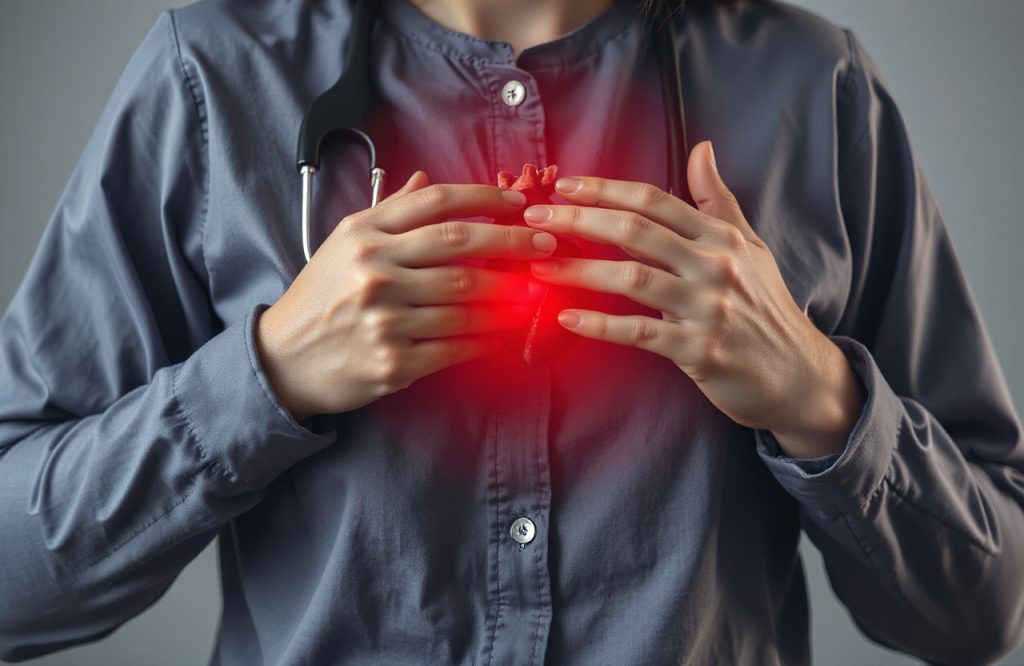
Facts About Women and Heart Disease
Understanding Women’s Heart Health
Women’s arteries tend to be smaller than those of men, which means that they require less plaque buildup to cause a blockage. This anatomical difference underscores the need for heightened awareness regarding heart health among women.
Symptoms of Heart Attack in Women
Chest pain is widely recognized as a common symptom of heart attacks; however, women may experience a range of different signs. These can include severe fatigue, back pain, nausea, and pain in the left arm or jaw.
Risk Factors for Heart Disease
After menopause, the decline in estrogen levels significantly increases the risk of developing heart disease, particularly in smaller blood vessels. Additionally, studies show that women are generally less active than men, with a recommended target of 150 minutes of physical activity each week.
New Guidelines for Cardiac Disease Prevention
Focus on Women as a Subgroup
Recent guidelines for the prevention of cardiac disease have specifically identified women as a distinct subgroup, emphasizing the need for tailored approaches in treatment and prevention.
Additional Risk Factors
Several pregnancy-related conditions increase the risk of cardiovascular disease:
– Pre-eclampsia, characterized by high blood pressure and protein in the urine during pregnancy, can increase the risk of cardiovascular disease by 1.5 to 2.5 times.
– Women with a history of pre-eclampsia are three times more likely to develop high blood pressure and twice as likely to develop diabetes later in life.
– Gestational diabetes significantly raises the risk of future diabetes, with 50% of those affected developing the condition within five years post-pregnancy.
– Polycystic Ovary Syndrome (PCOS) is also linked to a higher risk of high blood pressure.
Preventing Heart Attacks: Action Steps for Women
Proactive Health Management
To reduce the risk of heart attacks, women should engage in regular health check-ups, especially if they fall into higher-risk categories. Key preventive measures include:
– Quitting smoking
– Increasing physical activity to meet the recommended 150 minutes per week
– Monitoring blood pressure and cholesterol levels
– Reducing the intake of fatty foods
– Adhering to prescribed medications
Heart 2 Heart Cardiac Physiotherapy
Cardiac Classes Offered
Heart 2 Heart Cardiac Physiotherapy provides various cardiac classes at the following locations:
– **Mount Merrion Community Centre**: Mondays at 2:30 PM, 4 PM, and 5:30 PM
– **UCD Sport, Belfield**: Tuesdays at 10:30 AM and Thursdays at 2 PM
– **Killashee, Naas**: Wednesdays at 2 PM
– **Kilcullen Business Campus**: Wednesdays at 7 PM
Contact Information
For more information, contact Karen Cradock, Specialist Cardiac Physiotherapist, at Heart 2 Heart Cardiac Physiotherapy, Unit 5, Kilcullen Business Campus, Kilcullen, Co. Kildare. Visit our website at www.h2hcardiacphysio.com or reach us via email at [email protected]. For inquiries, call 045-484000 or 087-7667465.
Booking and Availability
To book a class or request further information, please click here. Our office hours are Monday to Thursday from 9 AM to 3 PM and Friday from 9 AM to 1 PM. Note that we will be closed from Tuesday, December 23rd at 11 AM, reopening on Monday, January 5th, 2026, at 9 AM. Please indicate your preferred time for a callback and any queries you may have.