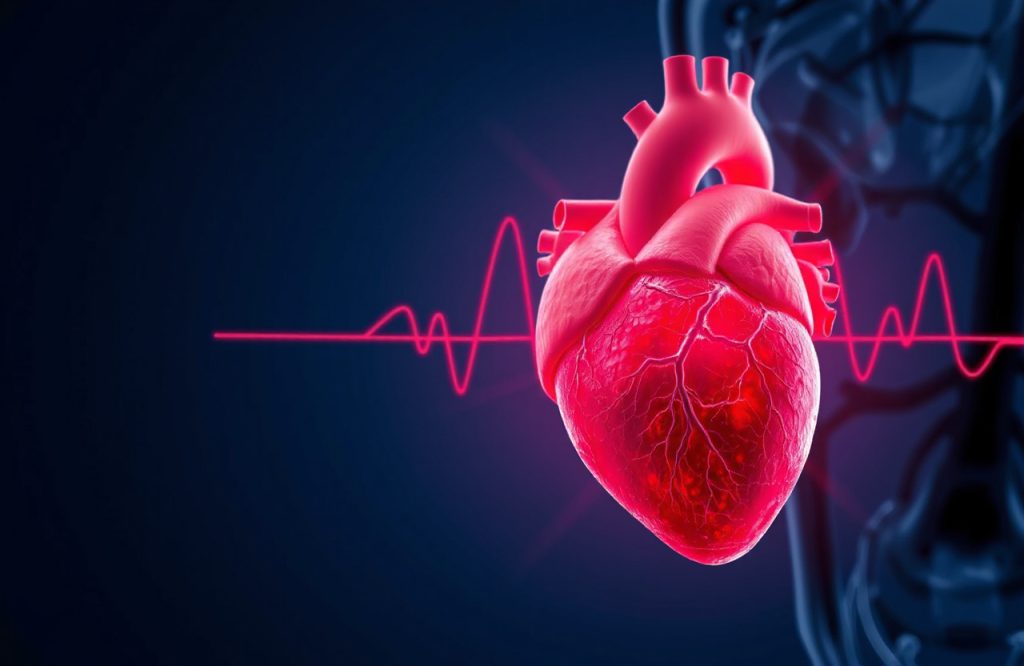
Understanding Heart Disease
Symptoms of Heart Disease
Are you experiencing breathlessness, chest pain (angina), unexplained fatigue, nausea, stomach pain, sweating, leg pain, arm pain, jaw or back pain, swollen ankles, and chest palpitations? Has your doctor diagnosed you with heart disease?
What is Heart Disease?
Cardiovascular disease (CVD) encompasses all diseases related to the heart and circulation, with a primary focus on coronary heart disease (CHD), stroke, and other blood vessel diseases. Additional heart conditions include congenital heart disease, heart valve disease, and cardiomyopathy. CVD stands as one of the leading causes of death and disability in Ireland.
Causes of Heart Disease
The primary cause of CHD and stroke is atherosclerosis, which involves the buildup of fatty deposits that form plaques on the inner lining of blood vessels.
Risk Factors
Risk factors for CVD can be categorized into non-modifiable and modifiable factors:
– Non-modifiable: Age, sex, and family history
– Modifiable:
– Smoking
– High blood pressure
– High cholesterol
– Unhealthy diet
– Physical inactivity
– Diabetes
– Obesity or being overweight
– Unrelieved stress
Prevention of Heart Disease
Adopting a heart-healthy lifestyle is crucial in preventing heart disease and stroke. While non-modifiable risk factors cannot be changed, addressing modifiable risk factors through lifestyle alterations is essential.
Diagnosis of Heart Disease
Diagnosis of CVD is based on individual risk factors and symptoms. Your GP will conduct a physical examination and inquire about your family medical history before recommending tests. Possible diagnostic tests include:
– Blood tests
– ECG
– Echocardiogram
– Holter monitor
– Angiogram
– CT scan
– MRI
You may also be required to undergo a stress test.
Treatment Options for Heart Disease
Treatment is determined by the presentation of the condition. Lifestyle modifications play a vital role in improving and preventing cardiovascular disease. Your GP or cardiologist may prescribe medications, and specific procedures or surgeries may be necessary.
Cardiac Rehabilitation
Cardiac rehabilitation focuses on enhancing the physical and emotional health of individuals who have experienced a cardiac event, aiming to reduce the risk of future incidents. It encompasses:
– Individualized exercise prescriptions to safely improve cardiovascular fitness
– Education about heart disease and managing risk factors, covering topics such as:
– Controlling high blood pressure
– Lowering cholesterol
– Promoting healthy eating habits
– Weight management
– Diabetes management
– Increasing physical activity levels
– Improving psychological well-being
– Smoking cessation
Conditions Benefiting from Cardiac Rehabilitation
Cardiac rehabilitation can be advantageous for the following conditions:
– Heart attack (myocardial infarction)
– Coronary artery stenting (PCI)
– Coronary artery bypass graft surgery (CABG)
– Stable angina pectoris
– Heart valve repair or replacement
– Heart transplant
– Stable and optimally managed heart failure
Get Involved
To learn more about heart disease, consider registering for our next complimentary education session. Click here to book a consultation and discover more about our services.