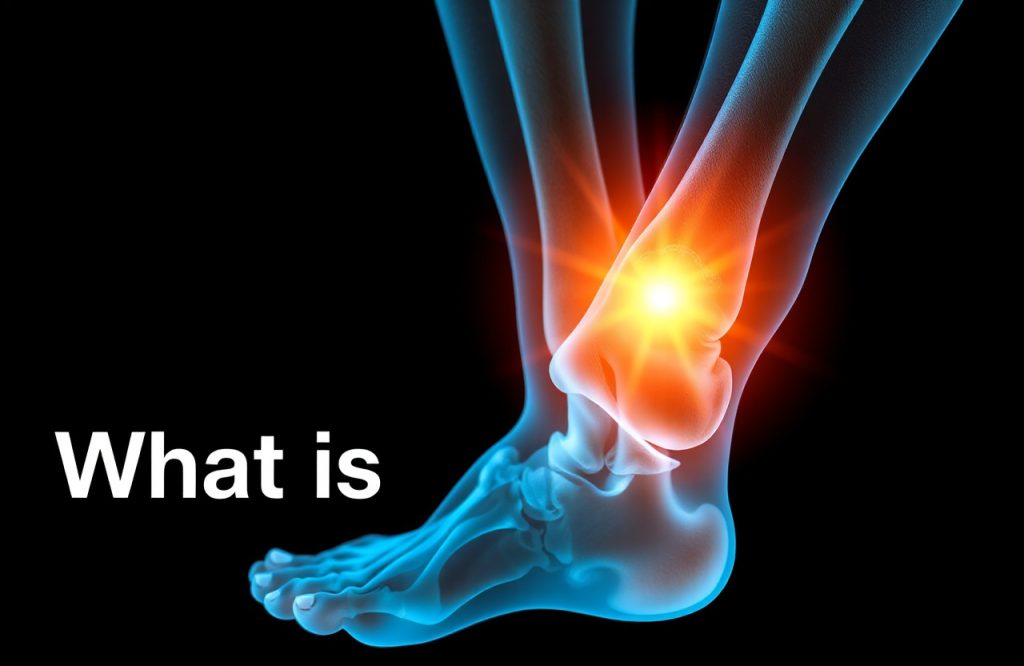
Understanding Heel Pain and Bursitis
Prevalence and Impact
Heel pain affects approximately two million individuals each year, significantly hindering their ability to engage in daily activities such as work and exercise. The two main types of heel bursitis are retrocalcaneal bursitis and subcutaneous calcaneal bursitis.
Types of Heel Bursitis
Retrocalcaneal bursitis arises from inflammation of the bursa that connects the calcaneus tendon to the Achilles tendon. In contrast, subcutaneous calcaneal bursitis occurs when the heel’s padding deteriorates due to trauma. While most heel issues are classified as mechanical pathologies, various other conditions, including arthritic, traumatic, infectious, and vascular pathologies, may also contribute to heel pain.
Diagnosis of Heel Pain
Identifying Symptoms
Heel pain is typically located near the calcaneal bone at the back of the foot. Symptoms often intensify when the individual stands or flexes their ankle and foot for extended periods. The likelihood of developing heel bursitis increases for active individuals over the age of 40, and it is also prevalent among active children aged 8-13. Runners, tennis players, ballet dancers, and police officers are particularly susceptible to this condition.
Examination Process
To diagnose heel pain, physicians examine the foot and ankle to identify the source of discomfort. Heel palpation may assist in diagnosing heel bursitis. A comprehensive assessment of the patient’s heel, symptoms, and medical history is crucial. Imaging tests such as X-rays or MRIs may be requested, although ultrasound is considered the most effective for visualizing heel bursitis.
Risk Factors and Causes
Contributing Factors
Prolonged standing and excessive use of the ankle and foot can lead to retrocalcaneal bursitis. Activities such as running, jumping, and standing can result in tissue damage and strain, exacerbating heel pain. Additionally, obesity and excess weight can increase pressure on the feet, contributing to heel discomfort.
Common Causes
Uncomfortable footwear and daily activities can lead to swelling and pain in the heel, resulting in bursitis. Shoes that irritate the Achilles tendon are often the primary culprits. As individuals age or engage in excessive foot activities, the heel pads may wear down, reducing shock absorption. Other underlying bone conditions can also lead to heel bursitis, which may accompany issues like Achilles tendonitis and Haglund’s disease.
Symptoms of Heel Bursitis
Symptoms of heel bursitis include pain, redness, and inflammation between the Achilles tendon and the calcaneus. Patients may find it difficult to perform daily activities such as standing or walking, as the heel pads become worn and exhibit signs of irritation.
Treatment Options
Initial Management
To alleviate heel bursitis symptoms, reducing pressure on the heel is essential. This can be achieved by wearing open-heeled shoes and using anti-inflammatory medication. Patients are typically advised to rest, ice, and elevate the affected area. Nonsteroidal anti-inflammatory drugs (NSAIDs) can help manage pain and swelling.
Advanced Treatments
Therapeutic shoes that enhance heel support and loosen the shoe counter are beneficial. Corticosteroid injections guided by ultrasound can relieve pressure on the heel. Analgesics may also be necessary for pain relief. Physical therapy can help soothe tendons and alleviate discomfort. Other effective treatments include stretching, orthotics, and night splints. In severe cases, surgical intervention might be required to address the inflamed bursa. Open abscission surgery involves risks of infection and prolonged recovery, whereas arthroscopic procedures offer quicker recovery and lower morbidity rates.
Prevention Strategies
Excessive running and jumping are common precursors to heel bursitis, exacerbated by being overweight, which increases heel pressure. Maintaining a healthy weight and wearing appropriate footwear that absorbs stress can help prevent heel pain. It is also crucial to avoid worn-out shoes, as they can contribute to heel issues. Special footwear for different activities is recommended to protect against heel problems. Additionally, stretching and warming up before exercise can further reduce the risk of developing heel bursitis.
Consulting with a healthcare provider regarding any heel pain or swelling is advisable. Mild heel discomfort can usually be managed with rest, elevation, ice, and NSAIDs. Early diagnosis and treatment are essential in preventing complications such as Achilles tendonitis.
Disclaimer
This article is not a substitute for professional medical advice. Please consult your healthcare provider for personal medical guidance.