Understanding Heel Fissures
Skin Structure
The skin that covers the body consists of two primary layers: the outermost epidermis and the inner dermis. Heel fissures occur when the epidermis becomes dry and cracked. Dermal heel fissures, which are a result of ongoing stress on the epidermis, can penetrate deeply into the dermal layer, causing pain and bleeding that hinder the ability to walk or stand.
Causes of Heel Fissures
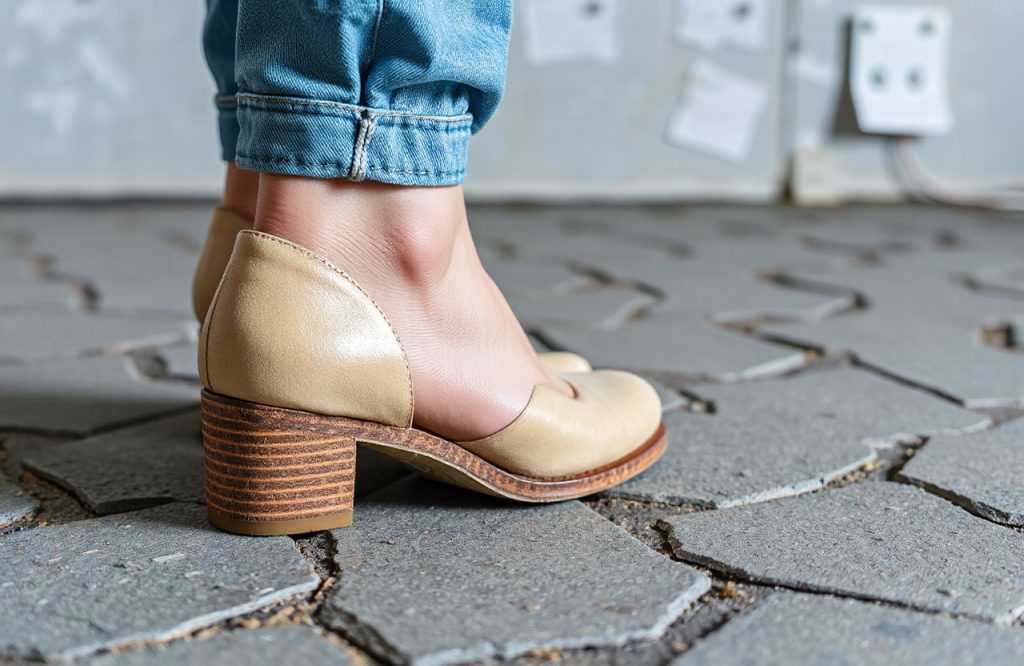
Heel fissures are commonly caused by dry skin and insufficient moisture in the feet. Several factors contribute to this condition, including prolonged standing, walking barefoot, and not wearing socks with shoes. Open-heeled footwear places additional strain on the heel, exacerbating the issue. Fissures are often accompanied by calluses—thick, dry skin that may appear discolored, brown, or yellow. The heel’s skin, known as stratum corneum, is notably thick to support the pressure of body weight.
Who is at Risk?
Individuals, particularly adults and the elderly with diabetes, are at a heightened risk for developing complications such as ulcers, infections, and potential amputations linked to heel fissures. Other risk factors include obesity, eczema, and psoriasis, all of which can lead to dry skin conditions. The presence of fissures increases the likelihood of ulcer formation, which can progress to open wounds and infections, including cellulitis.
Symptoms
Mild symptoms of heel fissures manifest as dry, peeled, and cracked skin. In more severe cases, individuals may experience pain, itching, discomfort, and bleeding.
Prevention
Heel fissures can start as a cosmetic issue but may evolve into a more serious and painful condition. The most effective preventative measure is to regularly hydrate and moisturize the feet.
Treatment Options
Emollient moisturizers containing urea are effective in preventing heel fissures by enhancing skin elasticity. Urea-based products help retain moisture, providing a protective barrier against skin cracks. Lipid-based moisturizers offer superior efficacy and safety compared to petroleum or paraffin-based options, which can be fire hazards.
Keratolytic treatments can aid in healing skin cracks and calluses by breaking down thickened skin. These treatments require consistent application for several weeks before noticeable improvement occurs. Hydroxy acids, such as lactic and glycolic acid, can gently exfoliate the skin while maintaining its natural oils and moisture.
Medical devices like silicone gel heel protectors can shield the heel from cracking. Special socks, such as Kakato-tsurutsuru, are designed to retain moisture and prevent peeling and fissures. Additionally, the drug Timolol has been shown to restore skin barriers and treat fissures. Herbal extracts, such as Centella, promote wound healing and collagen strength, while Euphorbia caducifolia latex exhibits antibacterial, antimicrobial, and antifungal properties. Sesame seed oil is another option for treating dry, cracked skin.
At-Home Remedies
Natural oils such as coconut, almond, and olive oil can help mitigate heel fissures by preventing moisture loss and hydrating the skin. Olive oil, rich in vitamin E, is particularly beneficial due to its antioxidant properties, which can reduce inflammation and aid in skin healing. Honey is another natural remedy, known for its ability to soften skin and retain moisture. Aloe vera contains essential vitamins and minerals that can help hydrate and repair cracked skin. A combination of turmeric and castor oil may also be effective, as turmeric acts as an antiseptic and can reduce skin inflammation.
Impact on Quality of Life
Heel fissures can significantly affect a person’s quality of life due to the pain and discomfort they cause. Beyond physical pain, individuals may experience psychological effects, including embarrassment related to their skin health. Heel fissures are typically the result of repeated stress on dry skin, but they can be effectively treated with various moisturizers and oils that promote hydration and skin elasticity. If left untreated, heel fissures may develop into deeper cracks, leading to severe pain and discomfort.
Consultation Disclaimer
This article is not intended to serve as medical advice. It is crucial to consult with a healthcare professional before implementing any of the methods mentioned herein.
References
1. Wadekar PH, Potnis V. A Review on Heel Fissures and its Management. International Journal of Research in Engineering, Science and Management. 2021;4(2). doi:2581-5792
2. Vlahovic TC, et al. A review of cyanoacrylate liquid skin protectant and its efficacy on pedal fissures. The journal of the American College of Certified Wound Specialists. https://www.ncbi.nlm.nih.gov/pmc/articles/PMC3601869/. Published March 15, 2011. Accessed August 7, 2021.
3. Longhurst B, Steele C. Dry heel fissures: Treatment and prevention. Podiatry Focus.
4. Arif T. Salicylic acid as a peeling agent: A comprehensive review. Clinical, cosmetic and investigational dermatology. https://www.ncbi.nlm.nih.gov/pmc/articles/PMC4554394/. Published August 26, 2015. Accessed August 7, 2021.