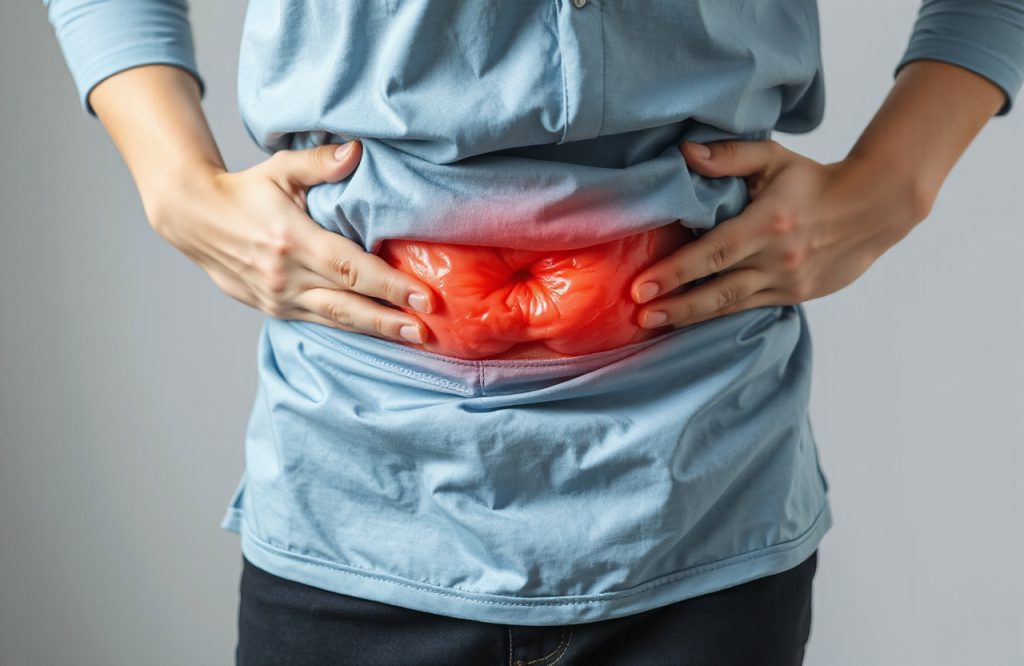
Understanding Hernia: Causes, Prevention, and Treatment
What is Hernia?
Hernia is a serious medical condition that can manifest in various parts of the body. It occurs when an internal part of the body pushes through a weakness in the surrounding tissue or muscle, leading to significant pain and discomfort. According to the National Institutes of Health, surgeons in the United States perform over 800,000 hernia repairs annually.
Causes of Hernia
Hernias can arise due to several factors, though they primarily result from weakness in the muscle tissue.
Weakness of Muscle Joints
The most common cause is the congenital weakness of muscle joints. This inherent weakness makes the body more susceptible to hernias as the muscles and tissues weaken over time.
Aging
As individuals age, their muscle strength naturally declines, increasing the likelihood of developing a hernia.
Other Contributing Factors
Additional causes include:
– Overexertion, such as lifting heavy objects
– Severe coughing
– Constipation
– Difficulty urinating
– Obesity and consistent weight gain
– Pregnancy-related changes in women
Being aware of these risk factors is crucial for prevention.
Preventing Hernia
While it may not be possible to prevent hernias entirely, certain measures can significantly reduce the risk.
1. Maintain Health and Weight
Obesity is a significant risk factor for hernia development. Adopting a healthy diet and engaging in regular physical activity can help manage weight and strengthen muscles.
2. Proper Lifting Techniques
When lifting heavy items, it’s essential to use correct techniques. Utilizing leg strength rather than back strength can help maintain muscle balance and minimize injury risk.
3. Manage Stress
Chronic stress can lead to muscle tension and weakness. Practicing relaxation techniques can help mitigate these risks.
4. Quit Smoking
Smoking is detrimental to overall health and can contribute to muscle weakness and respiratory issues. Quitting smoking can significantly lower the risk of hernia.
5. Avoid Lifting After Eating
It is advisable to rest after meals before engaging in heavy physical activity, as lifting immediately after eating can lead to muscle strain.
Benefits of Umbilical Hernia Surgery
For individuals suffering from hernias, surgical intervention is often the most effective solution. Here are some benefits of umbilical hernia surgery:
1. Pain Relief
Timely surgery can alleviate the severe pain associated with hernias, providing lasting relief.
2. Restoration of Blood Flow
Hernias can obstruct blood flow in affected areas, making surgical repair essential for restoring circulation.
3. Low Recurrence Rate
Umbilical hernia surgery has a low incidence of recurrence, significantly reducing the chances of future complications.
4. Cosmetic Improvement
Successful surgery can restore the affected area, enhancing the body’s appearance and function.
5. Strengthening the Abdomen
Surgery can reinforce the abdominal wall, improving its capacity to resist future hernias.
Conclusion
Understanding the causes and preventive measures for hernia can significantly impact health outcomes. If hernia symptoms arise, seeking timely treatment is crucial for effective management and recovery.