Understanding Body Fat Management
The Importance of a Balanced Diet
Managing body fat effectively requires a balanced diet. Emphasizing whole foods, lean proteins, healthy fats, and fiber-rich vegetables is crucial. It’s advisable to steer clear of processed foods, sugary beverages, and refined carbohydrates, as these can contribute to fat storage and hormonal imbalances.
Staying Active
Engaging in regular physical activity is essential for enhancing your body’s natural production of human growth hormone (HGH) and reducing abdominal fat. Incorporating resistance training and high-intensity interval training (HIIT) into your exercise routine can significantly optimize fat loss while preserving muscle mass.
The Role of Sleep
Adequate sleep is vital for hormone regulation, including the production of HGH. Aim for 7-9 hours of uninterrupted sleep each night to allow your body the necessary time to repair and balance hormones.
Exploring the Beer Belly Phenomenon
What Is a Beer Belly?
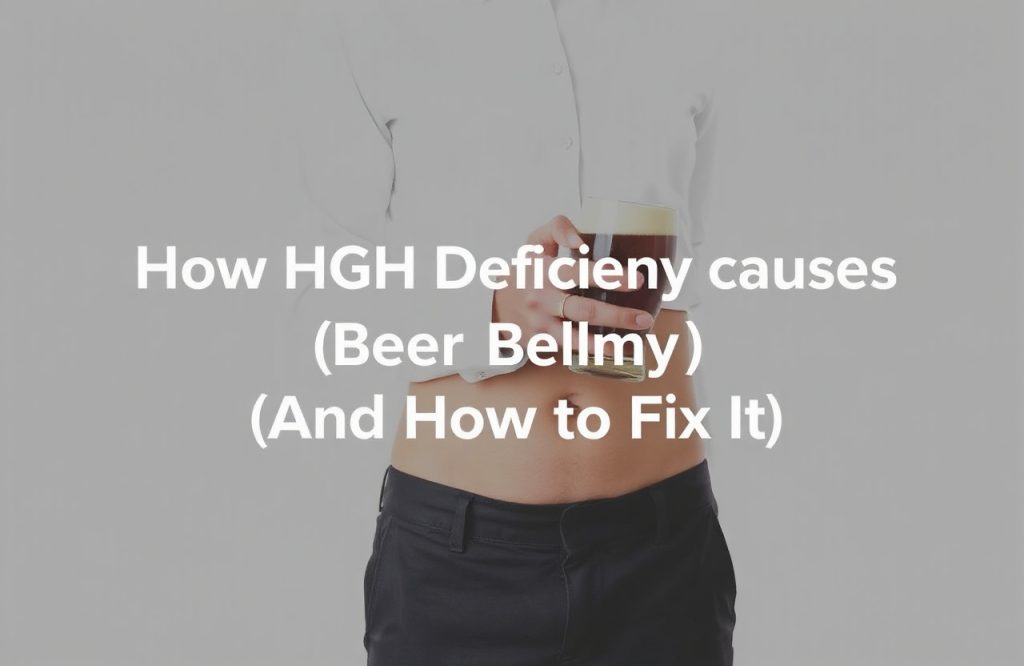
A “beer belly” describes the accumulation of fat around the abdomen, resulting in a round, protruding midsection. Although often associated with beer consumption, this term can be misleading. The fat involved is primarily visceral fat, which encases internal organs rather than being stored just beneath the skin.
Health Implications of Visceral Fat
Visceral fat is not merely a cosmetic concern; it is metabolically active and linked to serious health risks such as heart disease, diabetes, and metabolic syndrome. While factors like diet and lifestyle choices contribute to this issue, hormonal imbalances, particularly low levels of HGH, can make it significantly harder to shed abdominal fat.
Understanding HGH Deficiency
The Role of HGH
Human growth hormone (HGH) is a vital hormone produced by the pituitary gland, regulating metabolism, fat distribution, muscle growth, and overall cell repair. As individuals age, HGH levels naturally decline, but some may experience a significant deficiency that adversely affects health and body composition.
Identifying HGH Deficiency
HGH deficiency is a well-documented condition that can be effectively managed. Treatment typically involves injectable HGH, but it must be conducted under medical supervision. Accurate diagnosis and appropriate treatment recommendations should always come from a healthcare professional.
The Connection Between Beer Belly and HGH Deficiency
Impact of Low HGH Levels
A deficiency in HGH can directly affect how the body stores and burns fat. Key effects include:
1. **Reduced Fat Breakdown**: HGH is crucial for breaking down fat cells for energy. Low levels slow this process, leading to increased fat accumulation, particularly in the abdomen.
2. **Loss of Muscle Mass**: Muscle tissue burns more calories than fat, even at rest. A decline in HGH can result in muscle loss, slowing metabolism and promoting weight gain.
3. **Increased Visceral Fat Storage**: Without adequate HGH, the body tends to store fat around internal organs, which is more difficult to lose and poses greater health risks compared to subcutaneous fat.
4. **Hormonal Imbalance**: Low HGH can disrupt the balance of other hormones, such as insulin and cortisol, further promoting weight gain and fat retention in the abdominal area.
Strategies to Address HGH Deficiency
To combat a beer belly associated with HGH deficiency, consider a comprehensive approach:
1. **Consult a Medical Professional**: If you suspect HGH deficiency, consulting an endocrinologist is a critical first step. They can conduct tests and recommend suitable treatments to restore hormonal balance.
2. **Adjust Your Diet**: Focus on a nutrient-rich diet that supports hormone health and metabolic function.
3. **Manage Stress Levels**: Chronic stress raises cortisol levels, leading to fat storage in the midsection. Practices such as yoga, meditation, and deep breathing exercises can effectively lower cortisol levels.
4. **Limit Alcohol Consumption**: While not always the direct cause of a beer belly, excessive alcohol intake contributes empty calories and disrupts hormone regulation, including HGH production. Consider healthier alternatives like sparkling water with fruit or kombucha.
Conclusion
A beer belly is often more than a cosmetic concern; it may indicate underlying health issues such as HGH deficiency. Understanding the relationship between this hormone and fat storage can empower you to take actionable steps toward addressing the root cause of stubborn abdominal fat. Whether through medical intervention, lifestyle modifications, or a combination of both, achieving a healthier midsection is attainable. Take charge of your health today and work toward a more confident, leaner you.