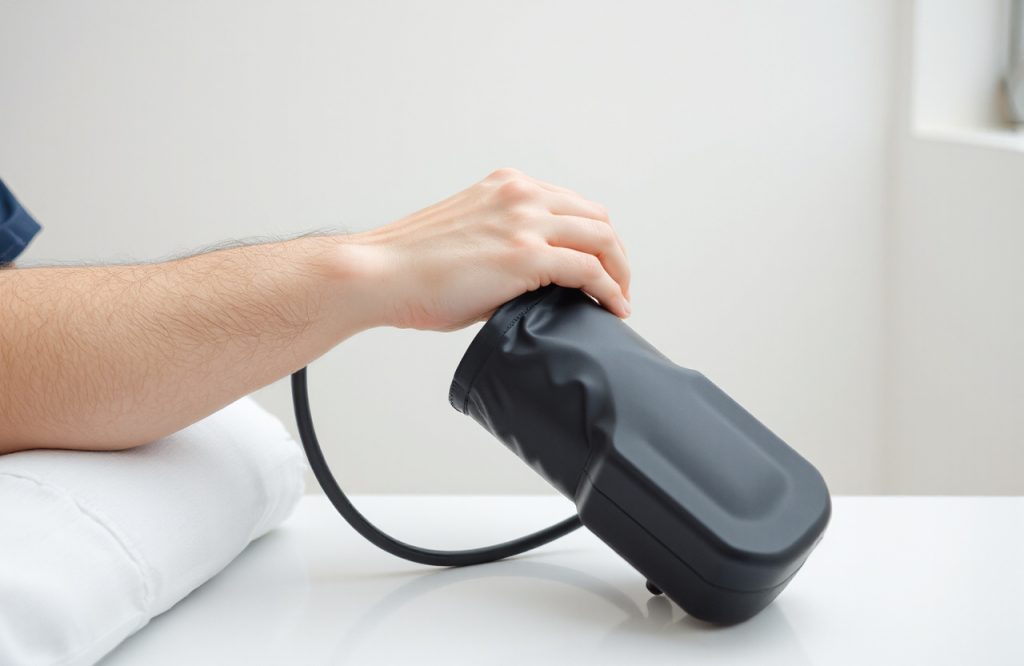
Understanding High Blood Pressure
What is Blood Pressure?
Blood pressure is the measure of how forcefully blood presses against the walls of the arteries as it is pumped throughout the body by the heart. In Ireland, approximately 30-40% of individuals have high blood pressure, also known as hypertension, without being aware of it. High blood pressure typically presents no symptoms, making regular measurement essential for detection.
Blood Pressure Readings Explained
Blood pressure readings consist of two figures, such as 120/80. The first figure, known as systolic pressure, indicates the pressure in the arteries when the heart muscle contracts. The second figure, referred to as diastolic pressure, reflects the pressure when the heart is at rest.
Blood Pressure Categories
– Optimal: Less than 120 mmHg (systolic) and less than 80 mmHg (diastolic)
– Normal: 120-129 mmHg (systolic) and/or 80-84 mmHg (diastolic)
– High Normal: 130-139 mmHg (systolic) and/or 85-89 mmHg (diastolic)
– Hypertension: Greater than 140 mmHg (systolic) and/or 90 mmHg (diastolic)
Measuring Blood Pressure at Home
When measuring your blood pressure at home, it is crucial to follow a consistent routine and proper technique. Inaccurate measurements can lead to mismanagement or inappropriate medication (AHA, 2017).
5-Step Checklist for Accurate Blood Pressure Measurement
1. Prepare and position yourself correctly.
2. Use proper technique.
3. Take accurate measurements.
4. Document your readings, e.g., in a notepad.
5. Share your readings with your GP or healthcare professional.
Preparation Tips for Blood Pressure Measurement
– Rest for at least 15 minutes prior to measurement.
– Avoid smoking, exercising, or consuming caffeine 30 minutes beforehand, as these can elevate blood pressure.
– Keep your legs uncrossed to prevent an increase of 2-8 mmHg.
– Empty your bladder before measuring, as a full bladder can raise the reading by up to 10 mmHg.
– Ensure your back and feet are fully supported, as inadequate support can elevate readings.
– Keep your arm supported with palms facing upward; unsupported arms can increase blood pressure by 10 mmHg.
– Remain quiet and still during the reading to avoid raising your blood pressure.
– Avoid placing the cuff over clothing, as this can artificially inflate the reading by up to 50 mmHg.
Managing Blood Pressure
Recommendations for Blood Pressure Control
To manage blood pressure effectively, consider the following recommendations:
– Reduce body weight if needed.
– Increase physical activity to 150 minutes per week gradually.
– Limit alcohol intake to 17 units per week for men and 11 units for women.
– Decrease salt consumption.
– Increase the intake of fruits, vegetables, and low-fat dairy products.
– Adhere to prescribed medication regimens.
– Quit smoking.
Risks Associated with High Blood Pressure
High blood pressure exerts significant strain on artery walls, potentially leading to serious health issues. In the brain, it may cause strokes or aneurysms, and it can contribute to dementia. In the heart, it increases the risk of heart attacks. Prolonged hypertension can also result in kidney failure and heart failure due to the enlargement of the heart muscle.
Exercise and Hypertension
Strength Training Recommendations
When engaging in strength training, avoid isometric exercises that can raise blood pressure. Use lighter weights for the arms and heavier weights for the legs. The guidelines suggest performing 10-15 repetitions of each exercise, three times a day, three times a week.
Aerobic Exercise Guidelines
For optimal cardiovascular health, the general recommendation for aerobic exercise is 30 minutes, 5-7 days per week. Those with heart conditions may require more specific guidance. Aerobic exercise promotes the widening of blood vessels through the release of Nitric Oxide, reducing resistance against the heart and gradually lowering blood pressure.
Monitoring High Blood Pressure
How to Know if You Have High Blood Pressure
High blood pressure is often asymptomatic, making regular checks crucial. Healthcare professionals may recommend 24-hour blood pressure monitoring to assess how blood pressure varies throughout the day and night.
Consultation and Support
Consider booking a consultation to discuss blood pressure management and receive personalized advice. Meet the team for further guidance and support on this important health aspect.