Understanding Sleep Regulation
Biological Processes of Sleep
Sleep is influenced by two fundamental biological processes: circadian rhythms and homeostasis. Circadian rhythms determine the timing of sleep and wakefulness, while homeostasis governs our overall need for sleep.
Importance of Sleep Duration
A minimum of seven hours of sleep is generally recommended for maintaining healthy cognitive and behavioral functions. Adequate sleep contributes to memory retention, sustained alertness, improved concentration, and a reduction in stress, anxiety, and depression. Furthermore, sleep plays a crucial role in restoring both mental and physical health by allowing the body necessary rest.
Sleep’s Role in Brain Health
Research indicates that sleep aids in eliminating toxins and waste products from the brain that accumulate throughout the day.
Sleep Stages Explained
Overview of Sleep Stages
Sleep consists of two primary stages: rapid eye movement (REM) and non-rapid eye movement (NREM). The American Academy of Sleep Medicine (AASM) identifies four distinct stages within a sleep cycle, with three stages classified as NREM and one stage as REM. Typically, individuals experience between four to six sleep cycles each night, commencing with NREM sleep and alternating between NREM and REM stages.
Stages of NREM Sleep
The first stage of NREM sleep marks the transition from wakefulness to sleep, characterized by a slowdown in brain activity and muscle relaxation.
The second stage, known as light sleep, occurs after the individual has fallen asleep, during which eye movement ceases, muscles relax, heart rate decreases, and body temperature drops. Awakening during this stage is generally easier.
The third stage, termed deep sleep, is when the body engages in tissue repair and immune system strengthening. Waking up from deep sleep can result in feelings of disorientation or sluggishness.
Characteristics of REM Sleep
REM sleep is the stage associated with dreaming, beginning approximately ninety minutes after falling asleep. During this phase, the eyes move rapidly in various directions while the eyelids remain closed, and the body remains immobile. Notably, brain activity during REM sleep resembles that of wakefulness.
Measuring Sleep Stages
Polysomnography (PSG)
Polysomnography (PSG) is the gold standard for measuring sleep stages, conducted by medical professionals in clinical or laboratory environments. This comprehensive method involves several tests, including electroencephalography (EEG) and electrocardiography (ECG), which simultaneously evaluate brain activity, muscle activity, eye movements, heart rate, and breathing patterns.
Wearable Sleep Trackers
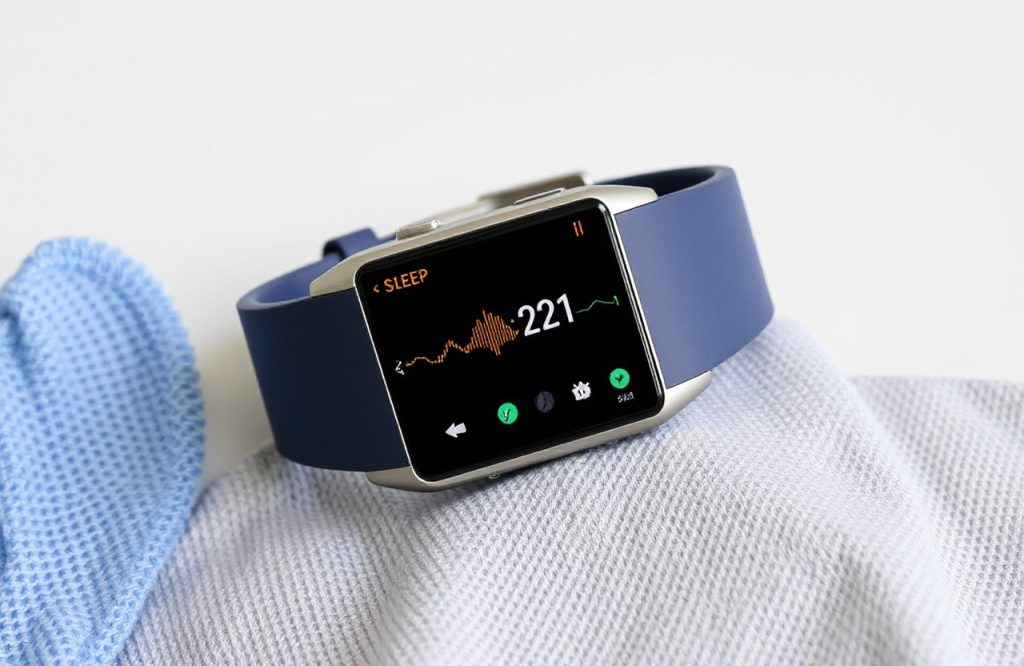
In addition to PSG, wearable devices can track sleep patterns. These devices, which can be wristbands, smartwatches, clips, or armbands, are typically available without a prescription. Popular wearable devices, such as Fitbit, originally designed for fitness tracking, can monitor various bio-signals, including movement and heart rate. The data collected from these devices can assist in assessing an individual’s sleep patterns and quality.