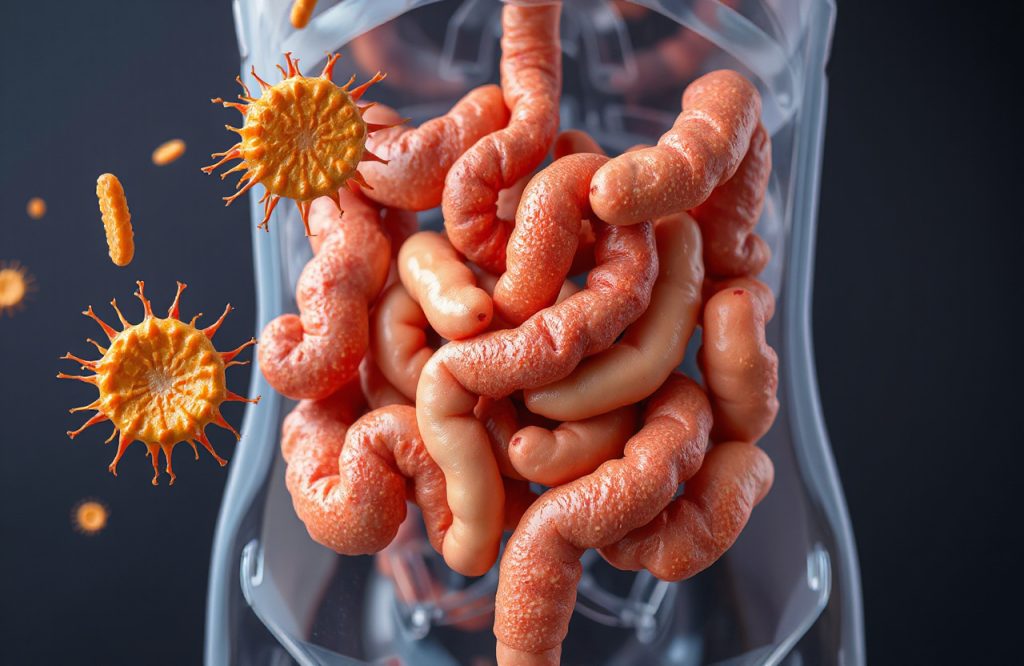
New Insights into Gut Bacteria and IBS
Study Highlights Hidden Gut Bacteria
Recent research indicates that hidden gut bacteria may contribute to the symptoms of irritable bowel syndrome (IBS), particularly in patients experiencing diarrhea. This discovery presents a potential opportunity for probiotic treatments.
The Role of Gut Microbiome in IBS
Evidence suggests that disturbances in gut bacteria may be a factor in some individuals with IBS. Those suffering from this condition often feel as though their body is in turmoil. The latest findings support this notion, highlighting the complexity of the gut microbiome, which consists of over a billion microorganisms of various species.
Disturbances in Gut Microbiome
A well-balanced gut microbiome is crucial for maintaining optimal health. However, factors such as gastroenteritis (commonly known as stomach flu) or the aftermath of antibiotic treatments can disrupt this balance, leading to gastrointestinal discomfort. Emerging research points to the possibility that such disturbances in gut microflora may contribute to the onset of IBS. For instance, some studies suggest that IBS can develop following an acute bacterial infection in the digestive tract.
Research Findings on Brachyspira
Laboratory investigations have provided concrete evidence linking gut bacteria to IBS. A study published in the journal *Gut* involved biopsying the intestinal lining, revealing the presence of a hidden bacterial genus named Brachyspira, which is typically absent from the human intestine. This finding was particularly prevalent among IBS patients with diarrhea.
Study Details and Observations
Led by Dr. Karolina S. Jabbar from the University of Gothenburg, Sweden, the study found that mucosal Brachyspira colonization was present in 31% of IBS patients, while none were detected in healthy individuals. Additional diagnostic methods corroborated these results, which were further confirmed in a second group of participants. Notably, Brachyspira was found in direct contact with mucus-secreting cells, suggesting a potential mechanism for its resistance to antibiotics.
Future Implications for Treatment
The authors of the study express optimism that their findings may identify a treatable cause of IBS, especially for those with diarrhea. However, further extensive studies are necessary to establish a definitive link between Brachyspira and IBS symptoms. If a connection is confirmed, alternative antibiotics and probiotics may emerge as viable treatment options in the future.
Reference
Jabbar KS, Dolan B, Eklund L, Wising C, Ermund A, Johansson A, Tornblom H, Simrén M, Hansson GC. Association between Brachyspira and irritable bowel syndrome with diarrhea. Gut 2020;0:1–13. doi:10.1136/gutjnl-2020-321466.