Understanding Idiopathic Pulmonary Fibrosis
Overview
Idiopathic pulmonary fibrosis (IPF), once considered a rare condition, has seen a notable rise in cases, particularly following the COVID-19 pandemic. The recent passing of Zakir Hussain, a renowned musician, has brought this illness into the public eye. This article aims to provide insights into IPF, its causes, risk factors, symptoms, diagnosis, treatment options, and prevention strategies.
What is Idiopathic Pulmonary Fibrosis?
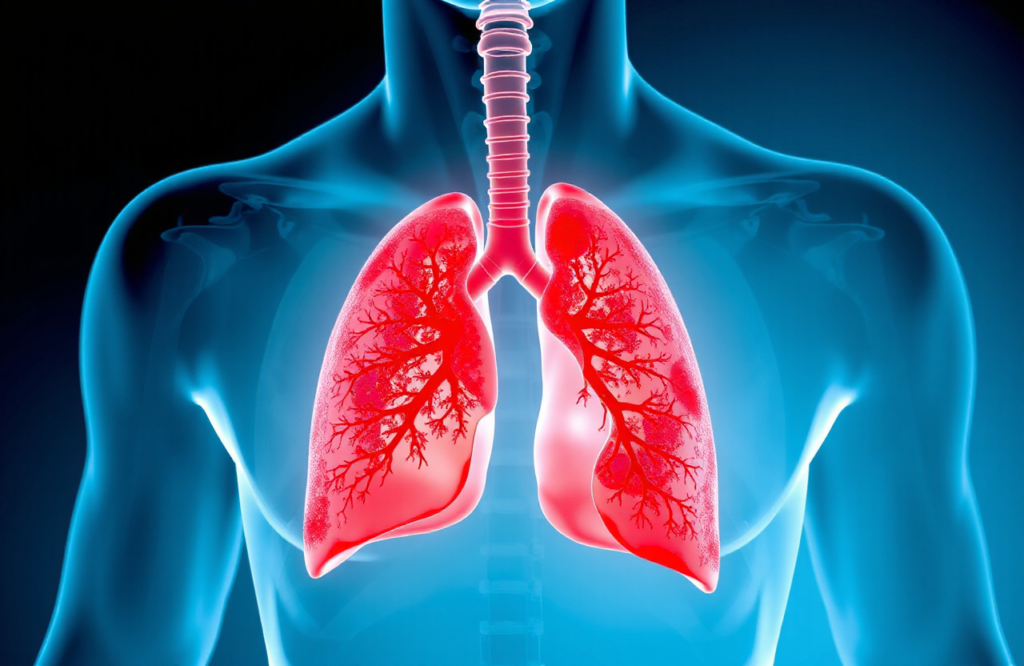
Idiopathic pulmonary fibrosis is a severe lung disease characterized by scarring of lung tissue, which restricts the expansion of air sacs and results in reduced oxygen levels. This progressive condition can lead to increasing breathlessness as the scarring advances with age. While it can affect individuals of any age, the severity and progression vary, making early detection crucial for effective management.
Causes of Pulmonary Fibrosis
There are several potential causes of pulmonary fibrosis, including:
Environmental Factors
– Smoking, which heightens the risk of developing the condition.
– Long-term exposure to radiation from therapies such as radiotherapy.
– Occupational hazards from industries involving airborne pollutants like silica dust, mold, animal droppings, and asbestos.
Underlying Health Conditions
– Pre-existing lung diseases, including cystic fibrosis, bronchiectasis, mixed connective tissue diseases, scleroderma, and pneumonia.
– Gastroesophageal reflux disease (GERD) has also been associated with an increased incidence of IPF.
Risk Factors for Idiopathic Pulmonary Fibrosis
The following risk factors contribute to the likelihood of developing pulmonary fibrosis:
Behavioral and Occupational Risks
– Smoking is a universal risk factor for various lung diseases.
– Employment in sectors such as mining or farming can lead to higher incidences of pulmonary fibrosis.
Medical History
– Cancer treatments, particularly when administered at a young age, can trigger fibrosis.
– Genetic predispositions may also play a role in initiating the disease process in certain individuals.
Symptoms of Idiopathic Pulmonary Fibrosis
Common symptoms of pulmonary fibrosis include:
Physical Symptoms
– Shortness of breath
– Extreme fatigue and lack of energy
– Unexplained weight loss
– Persistent dry cough
– Clubbing (widening and rounding) of fingers and toes
These symptoms can worsen over time, leading to acute exacerbations that require immediate medical attention.
Diagnosis of Pulmonary Fibrosis
Diagnosis of pulmonary fibrosis typically involves several assessments:
Medical Evaluation
– A thorough medical history and physical examination focusing on respiratory symptoms.
Imaging and Testing
– Chest X-rays to identify lung scarring.
– High-resolution CT scans for detailed lung images.
– Pulmonary function tests to evaluate lung capacity and gas exchange efficiency.
– Biopsies of lung tissue, if necessary, to confirm the diagnosis.
– Bronchoscopy to inspect the airways for abnormalities.
– Six-minute walk tests to monitor oxygen levels during exertion.
– Echocardiograms to assess heart shape and function in relation to pulmonary health.
A combination of these diagnostic methods provides a comprehensive understanding of the extent and severity of lung fibrosis.
Treatment Options for Lung Fibrosis
While there is no definitive cure for lung fibrosis, several treatment strategies can help manage the condition:
Medications
– Antifibrotic agents like pirfenidone and nintedanib to slow disease progression.
– Corticosteroids to reduce inflammation.
– Immunosuppressants such as cyclophosphamide to limit fibrosis-related cellular activity.
Supportive Therapies
– Oxygen therapy to maintain adequate oxygen saturation.
– Pulmonary rehabilitation, including breathing exercises and physical therapy.
– In severe cases, lung transplantation may be considered to enhance quality of life.
Lifestyle Modifications
– Implementing lifestyle changes, such as quitting smoking, avoiding polluted environments, maintaining a nutritious diet, and staying physically active.
Recognizing Worsening Symptoms
Patients should be vigilant for signs indicating the deterioration of pulmonary fibrosis, including:
– Decreased oxygen saturation levels
– Increased distress during breathing
– Higher oxygen demands
– Signs of lung infections
In case of exacerbation, immediate consultation with a healthcare provider is essential.
Preventing Pulmonary Fibrosis
Preventive measures focus on reducing exposure to known risk factors. Key strategies include:
Avoiding Risk Factors
– Steering clear of smoke and air pollution.
– Taking precautions in specific occupational settings, especially those involving cotton or asbestos.
Maintaining Health
– Engaging in a healthy lifestyle to promote overall well-being.
– Regular health check-ups to monitor respiratory health and address any concerns promptly.
By adhering to these preventive measures, individuals can potentially prolong their health and mitigate the risks associated with idiopathic pulmonary fibrosis.