Understanding Couples Therapy for LGBTQ+ Couples
The Common Misconception of Couples Therapy
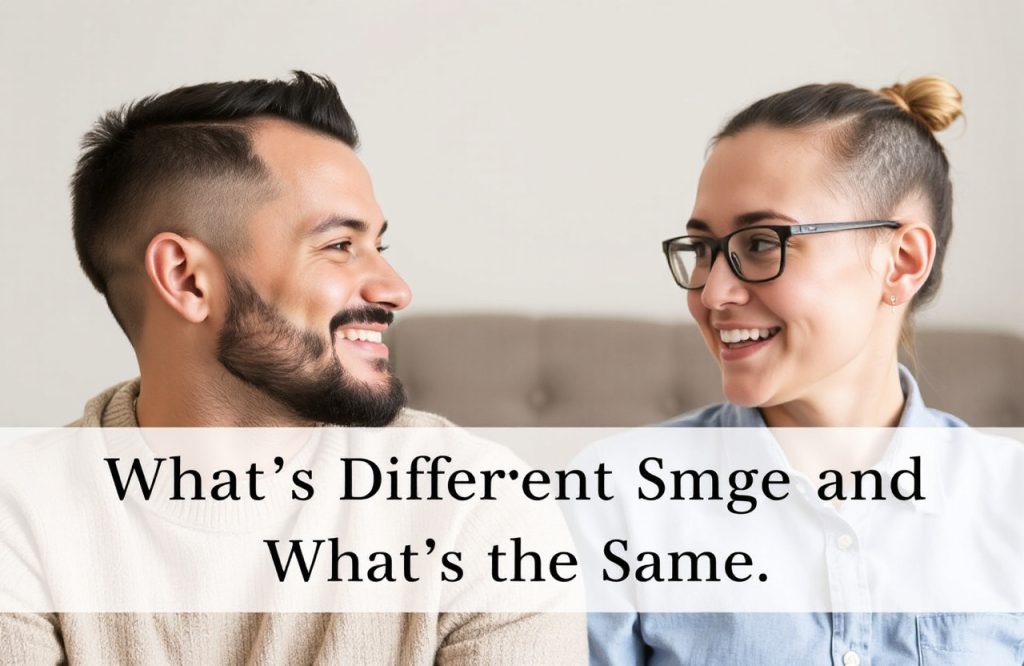
When couples therapy is mentioned, many envision a traditional couple—typically straight, married, and possibly with children—sitting uncomfortably on a sofa. Historically, most therapeutic models have been centered around this archetype. However, LGBTQ+ couples navigate the same emotional landscape but face distinct challenges that heterosexual couples may not encounter. Effective therapy must recognize and address both realities simultaneously.
The Essence of Couples Therapy
At its core, couples therapy aims to foster safety, understanding, and connection between partners, regardless of their sexual orientation or identity. However, the journeys that queer and trans couples take to reach the therapy room can differ significantly, and acknowledging these paths is crucial.
What Couples Therapy Truly Entails
Therapy as a Collaborative Exploration
Couples therapy is not a venue for determining right and wrong but rather a collaborative space where partners can analyze their relationship dynamics. Most couples tend to argue over a few recurring issues, even if the scenarios vary. One partner may feel criticized and withdraw, while the other reacts with louder frustration. While the interactions may appear distinct, they often reflect familiar underlying patterns.
The Importance of Therapy for Queer Men
For queer men, therapy provides an opportunity to recognize these patterns, challenge traditional beliefs about masculine responses, and explore healthier communication styles that promote emotional safety and honesty.
Common Challenges Faced by LGBTQ+ Couples
Communication Issues
LGBTQ+ couples often encounter similar challenges as their straight counterparts, particularly regarding communication. One partner may feel misunderstood and constantly have to explain their feelings, while the other may feel overwhelmed and defensive. Therapy helps partners articulate their needs and emotions without turning against each other.
Escalating Conflicts
Many couples experience conflicts that escalate quickly due to underlying emotional wounds. Minor issues can provoke significant arguments, often rooted in past traumas. Couples therapy aids in recognizing these responses, which stem from history rather than the current relationship.
Sexual and Intimacy Concerns
Sex and intimacy issues are prevalent across all orientations. Differences in desires, comfort levels, and preferences can create feelings of rejection or pressure. Therapy focuses on respecting both partners’ boundaries and maintaining emotional connections rather than determining whose needs are “correct.”
Life Transitions
LGBTQ+ couples, like any others, face life transitions—such as moving, changing careers, health issues, grief, and financial stress—that can strain their relationships. When external pressures mount, couples may find themselves distancing rather than supporting each other. Therapy serves as a space for partners to reconnect as a team.
Unique Factors Affecting LGBTQ+ Couples
Minority Stress
The context of LGBTQ+ relationships often includes layers of minority stress, characterized by the ongoing tension of navigating a world that may not fully accept them. This stress can manifest in anxiety about public perception, leading to conflicts over seemingly simple choices, like holding hands in public.
Differences in “Outness”
Variations in levels of “outness” can also create strain within LGBTQ+ relationships. One partner may be publicly out, while the other remains closeted in certain contexts. Therapy provides a platform for both partners to understand each other’s experiences and fears without judgment.
Impact of Family History on Trust
Family histories also differ, with some LGBTQ+ individuals experiencing acceptance while others face rejection. These experiences can affect trust and emotional security in relationships, leading to fears of abandonment even in stable partnerships. Couples therapy addresses these issues rather than perceiving them as personal flaws.
Community and Chosen Family Dynamics
Many queer individuals rely on chosen family and community support, which can complicate relationship dynamics. Couples may struggle with boundaries around sharing conflicts or maintaining loyalty to friends. Therapy facilitates thoughtful discussions about how to balance community ties with relationship needs.
Diverse Relationship Structures
LGBTQ+ couples often have varied relationship structures, including monogamous, open, or polyamorous arrangements. Therapy encourages partners to clarify their relationship agreements and values, focusing on consent and understanding rather than adhering to traditional norms.
Gender Identity Considerations
For couples with one or both partners identifying as trans or non-binary, gender identity can introduce additional complexities. Transitioning may alter how individuals feel about their bodies and relationships. Therapy provides a safe space for partners to navigate these changes without pressure.
Characteristics of LGBTQ+ Affirming Couples Therapy
Identity as a Strength
Affirming therapy recognizes that an individual’s identity is not a problem to be fixed but an integral part of their experience. This approach shifts the therapeutic focus from merely addressing issues to celebrating identities.
Inclusive Practices
An affirming therapist respects clients’ names and pronouns, avoids assumptions about gender roles, and acknowledges their own biases. They recognize the impact of minority stress on relationships and address these themes without dismissing their relevance.
A Holistic Approach to Therapy
While affirming therapy acknowledges identity, it does not reduce every issue to it. Therapists help clients examine their communication styles and emotional responses, treating individuals and relationships as whole entities rather than “special cases.”
Recognizing the Need for LGBTQ+ Couples Therapy
When to Seek Help
Couples do not need to be on the brink of separation to seek therapy. Many LGBTQ+ couples enter therapy feeling stuck in recurring arguments or after experiencing a betrayal. Others may seek help during significant life changes, such as moving in together or navigating gender transitions.
Therapy as a Strengthening Tool
Pursuing therapy is not a sign of weakness but an investment in the relationship. For LGBTQ+ couples, this decision also challenges societal narratives that question the stability and validity of queer relationships.
Conclusion
The Intersection of Universal and Unique Needs
LGBTQ+ couples therapy occupies a critical intersection between universal human needs for love, safety, and understanding, and the specific challenges faced by queer and trans individuals. Both aspects are vital for effective therapy.
The Power of Respect and Understanding
Ultimately, the most significant factor in enhancing couples therapy is the combination of effective relationship tools with genuine respect for clients’ identities and experiences. When these elements converge, couples therapy can empower partners to not only endure external stress but also cultivate a resilient, chosen relationship that truly reflects their love and commitment.