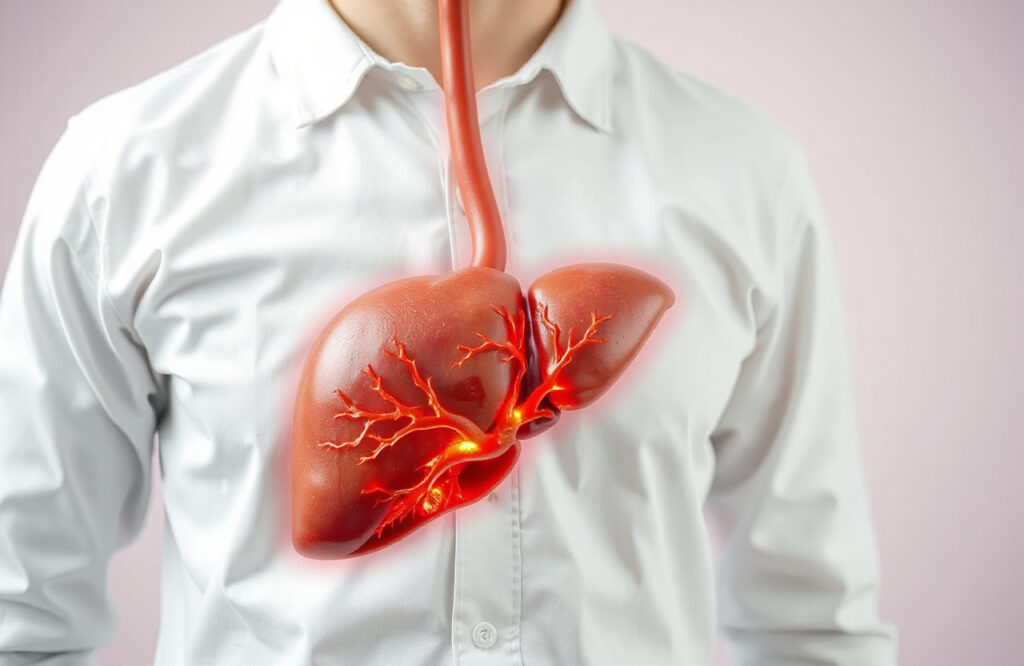
Understanding Liver Tumours
Overview of Liver Tumours
Liver tumours are swelling in the liver that are relatively common among the population. Often, these tumours are discovered incidentally during scans performed for other medical reasons. The most frequent type of liver tumours are hemangiomas, which are generally benign and do not require treatment. However, some tumours can be malignant or have the potential to become cancerous.
Symptoms of Liver Tumours
Common symptoms associated with liver tumours include:
– Heaviness or a sensation of fullness in the upper abdomen
– Early satiety, where individuals feel full after consuming a small amount of food
– Swelling in the upper abdomen
– Jaundice, which may manifest as yellowing of the skin and eyes
– Generalized abdominal swelling
– Swelling in the feet
– Loss of appetite and weight
Causes of Liver Tumours
Liver tumours can be classified as benign (non-cancerous) or malignant (cancerous). While benign tumours are typically harmless, malignant tumours can cause significant health issues. Symptoms may vary, and benign tumours might not present with jaundice. It is essential for individuals experiencing symptoms to seek medical evaluation promptly.
Treatment Options for Liver Tumours
Treatment for liver tumours largely depends on whether they are benign or malignant. Surgical intervention is often the most effective treatment method, typically involving the removal of the tumour along with a portion of the liver. According to Dr. K. Venugopal, a specialist in HPB Surgery and Liver Transplantation, complete removal of the tumour is crucial for favorable outcomes.
For online doctor video consultations, please contact +9100907036 or +9100907622.