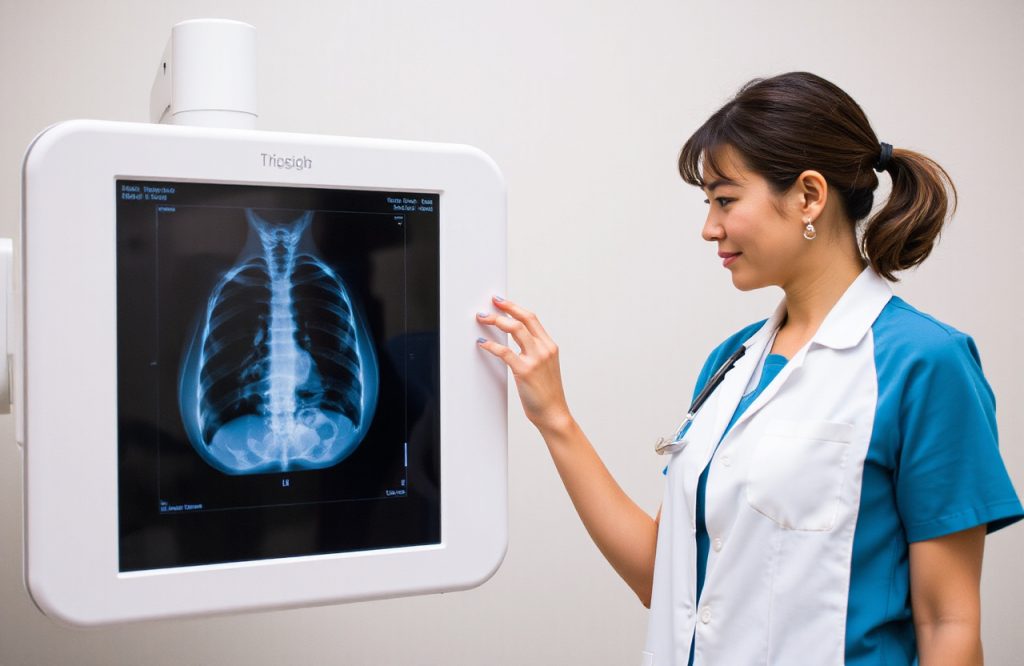
Mammography Screening: Awareness and Perception Among American Women
The Importance of Mammography in Breast Cancer Detection
Mammography screening is widely regarded as a crucial method for the early detection of breast cancer. This imaging technique, which captures X-ray images of the breast, can identify abnormalities in breast tissue even in women who exhibit no symptoms of the disease. Given that breast cancer is a leading cause of cancer-related fatalities among women globally, understanding the nuances of mammography is essential.
Risks Associated with Mammography
Despite its benefits, there are increasing concerns regarding the potential risks linked to mammography. These include radiation exposure, the possibility of unnecessary treatments and surgeries, and the psychological impact of false-positive results, which can affect women’s mental and emotional health.
Study Overview and Objectives
A recent study published in JAMA Internal Medicine aimed to assess American women’s awareness of the benefits and risks of mammography and explore how this awareness influences their decision-making regarding screening. The study involved 407 adult women aged 40 to 59, who participated in an online survey conducted from May 24 to June 6, 2016. Participants were categorized based on their mammography history: those who had never had a mammogram (n = 58), those who had one over a year ago (n = 103), and those who had a recent mammogram (within the last 12 months; n = 197).
Survey Methodology
Participants were asked about their consumption of news and health-related media and completed two randomized questionnaires. The first questionnaire evaluated their awareness of four benefits and seven risks associated with mammograms. The second questionnaire required them to rate the significance of these factors as (1) very important, (2) slightly important or important, or (3) not at all important. Additionally, participants were divided into two age groups (40-49 years and 50-59 years) to determine if age influenced awareness and importance ratings.
Findings on Awareness of Benefits and Risks
The results revealed that over 90% (366) of participants acknowledged the benefits of mammography, with many (56.5%-66.9%) rating these benefits as very important. In contrast, only 1.9%-3.2% considered the benefits to be not at all important. Notably, women who had undergone a recent mammogram were more likely to view these benefits as very important compared to those who had never had one.
Awareness of the associated risks, however, was less pronounced, ranging from 39.7% for overtreatment to 77.6% for increased anxiety and stress. Most participants regarded these risks as slightly important or important (61.5%-67.1%). Interestingly, the proportions of women who perceived the risks as very important and those who viewed them as not at all important were relatively similar (15.1%-28.7% vs 9.0%-23.0%, respectively). Furthermore, women who had never had a mammogram were more inclined to consider certain risks, such as increased healthcare costs and radiation exposure, as very important compared to those who had recently undergone screening. Age did not significantly impact either awareness or importance ratings.
Conclusions and Implications
The findings of this study indicate that women possess a greater awareness of the benefits of mammography screening than of its associated risks. Given that women are more likely to encounter risks related to mammography, it is crucial to develop educational strategies that inform all women about both the advantages and disadvantages of this screening method. Such initiatives will empower women to make well-informed decisions regarding their health.
Written by Natasha Tetlow, PhD
Yu J, Nagler RH, Franklin Fowler E, Kerlikowske K, Gollust SE. Women’s awareness and perceived importance of the harms and benefits of mammography screening: results from a 2016 national survey. JAMA Intern Med. 2017. Available at: doi: 10.1001/jamainternmed.2017.2247.