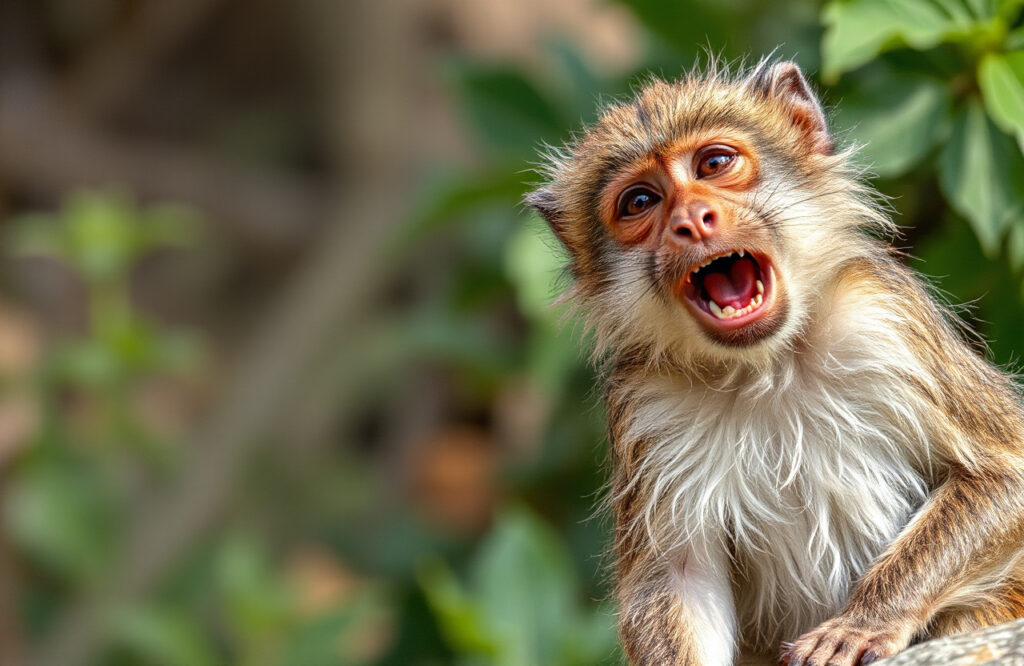
Overview of Monkeypox
What is Monkeypox?
Monkeypox is a viral infection that was initially identified in monkeys but has recently become a significant health concern in Western countries. The World Health Organization (WHO) has declared it a health emergency due to its rapid spread.
History of Monkeypox
The virus was first detected in humans in the Congo in 1970, after being discovered in monkeys in Africa. Currently, thousands of cases are reported daily across various regions in Europe and America. The ongoing outbreak is believed to have originated from West Africa, although no direct travel history has been identified among the affected individuals.
Health Concerns
The WHO is increasingly worried that Monkeypox could become the next pandemic following COVID-19.
Symptoms of Monkeypox
Common Symptoms
The symptoms of Monkeypox are notably similar to those of smallpox, and may include the following:
1. Fever (usually above 38.5 degrees Celsius)
2. Headaches
3. Muscle or body aches
4. Rash
5. Swelling of lymph nodes
6. A rash resembling smallpox
7. Back pain
8. Fatigue
In the current outbreak, many infected individuals present with one or just a few lesions, which may not always be accompanied by fever.
Symptom Onset and Progression
Symptoms typically manifest 1 to 2 weeks after infection, starting with lymph node swelling, back pain, headache, fever, and fatigue. A rash usually develops within three days of fever onset, beginning as a flat macule that evolves into a raised papule, then a fluid-filled cyst, followed by a pustule filled with pus that eventually bursts, forming a crust that dries and falls off. Most symptoms resolve within 2 to 3 weeks.
Is Monkeypox Dangerous?
Infectivity and Severity
Monkeypox is highly infectious but is generally self-limiting, resolving on its own within 1 to 2 weeks. Certain populations, such as children, pregnant women, individuals on steroids, those with HIV, and people with weakened immune systems, may be more vulnerable to severe disease. Historically, the mortality rate for Monkeypox has been less than 3-6%. The current outbreak involves the West African strain, which is less severe compared to the Congo strain.
Transmission of Monkeypox
Animal to Human Transmission
Monkeypox can be transmitted from animals to humans through direct contact with blood, body fluids, infected rashes, or consumption of undercooked meat from infected animals.
Human to Human Transmission
Human transmission occurs through:
1. Close contact, such as kissing or hugging, which can transmit respiratory droplets.
2. Sharing personal items that have come into contact with an infected person’s rash or body fluids.
3. Direct contact with infected rashes.
4. Exposure to bodily fluids, including saliva, respiratory secretions, and genital secretions.
Men who have sex with men are at a higher risk of infection, especially among those with HIV. Individuals in close contact with an infected person should monitor for symptoms for 21 days after exposure, including regular temperature checks.
Diagnosis
Monkeypox symptoms can resemble several other viral infections, such as chickenpox or measles. A PCR test is essential for accurate diagnosis. Technicians dressed in personal protective equipment (PPE) collect samples from infected lesions, which are then tested using a DNA PCR machine. Following diagnosis, isolation, treatment, and contact tracing can commence.
Treatment
Currently, there is no specific treatment for Monkeypox; management focuses on alleviating symptoms. This may include administering oral or intravenous fluids to prevent dehydration, using paracetamol for fever, and prescribing antibiotics to prevent bacterial infections. In severe cases, an antiviral medication called tecovirimat may be used, with hospitalization reserved for more critical situations.
Prevention Strategies
Staying Safe from Monkeypox
Monkeypox spreads through respiratory droplets and close personal contact. Individuals at risk can take the following precautions:
1. Maintain respiratory hygiene by wearing masks in crowded settings and practicing regular hand washing and sanitization.
2. Seek immediate medical attention if symptoms develop.
3. Assist health authorities in tracking potential cases for prompt treatment.
4. Stay informed about the disease and its symptoms.
5. Healthcare workers in close contact with infected individuals should receive smallpox vaccinations, which also enhance immunity against Monkeypox. This vaccination strategy is currently employed to protect healthcare personnel during the outbreak.
6. Practice safe sex, as Monkeypox can also be transmitted through sexual contact.