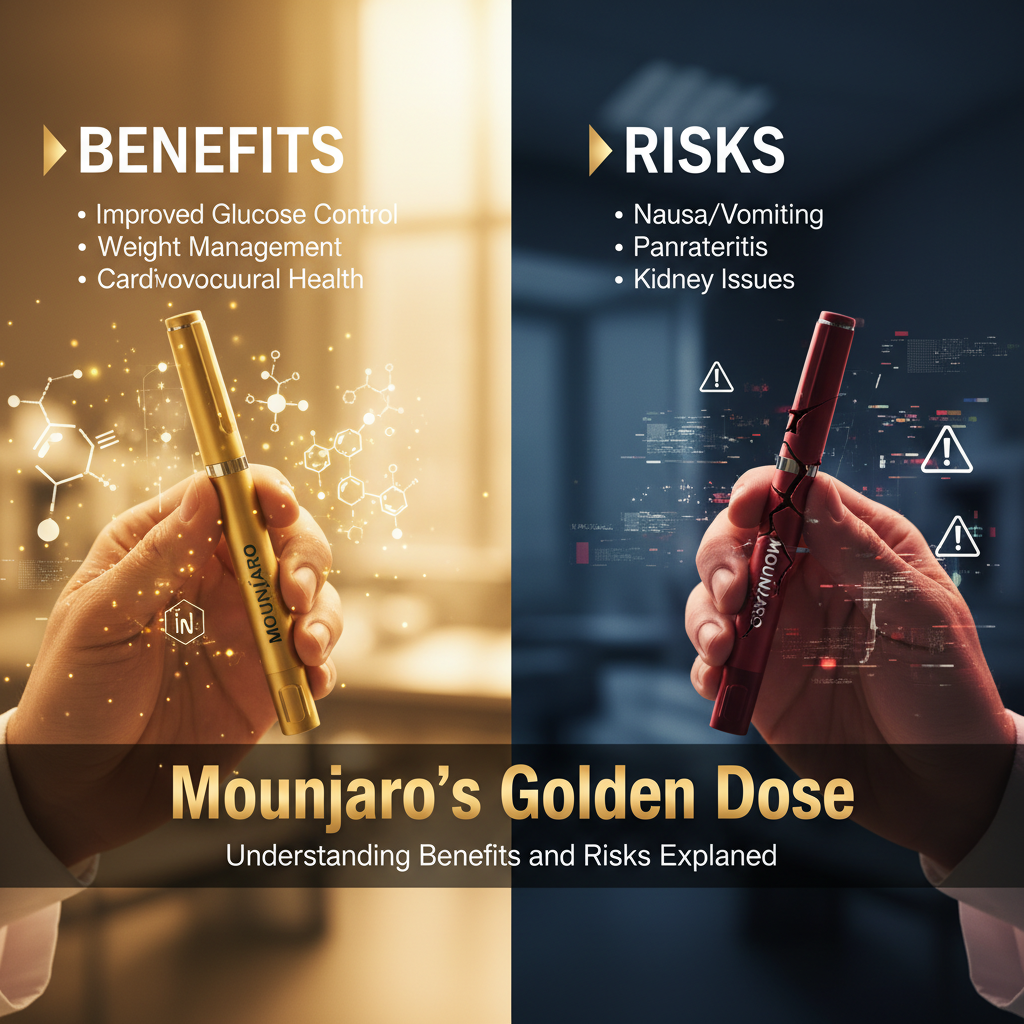
Concerns Over the “Golden Dose” in GLP-1 Injection Pens
Rising Popularity of GLP-1 Medications
The utilization of glucagon-like peptide-1 (GLP-1) drugs for weight management has surged in recent years. Originally developed for the treatment of type 2 diabetes, these medications have emerged as effective tools for weight loss. Notable GLP-1 medications such as Ozempic and Mounjaro are frequently prescribed off-label to aid in weight loss. Furthermore, Zepbound and Wegovy are specifically authorized for this purpose.
The Issue of Leftover Medication
GLP-1 medications are generally administered through pre-filled injection pens, intended to last for a duration of four weeks. However, numerous users have reported encountering leftover medication after finishing their prescribed doses. This surplus medication is often referred to as the “golden dose.”
Expert Opinions on the Golden Dose
Despite its catchy name, healthcare professionals advise against the use of the “golden dose.” Dr. Mir Ali, a board-certified general surgeon and medical director at MemorialCare Surgical Weight Loss Center, emphasizes that these pens are designed to dispense a precise amount of medication over time, with each dose calibrated for optimal efficacy. The existence of extra medication raises concerns regarding its safety and intended use.
Increasing Usage Statistics
Recent studies reveal a significant increase in the prescription of GLP-1 medications for obesity, climbing from 0.30% in 2019 to 2.05% in 2024—an impressive growth of 586.7%. Currently, it is estimated that around 12% of adult Americans have utilized a GLP-1 medication.
Proper Disposal of Leftover Medication
In light of the risks associated with utilizing leftover medication, experts strongly advise the proper disposal of any excess medication found in injection pens. Medical News Today has consulted various professionals to provide guidance on the safety and recommended disposal methods for these surplus doses.