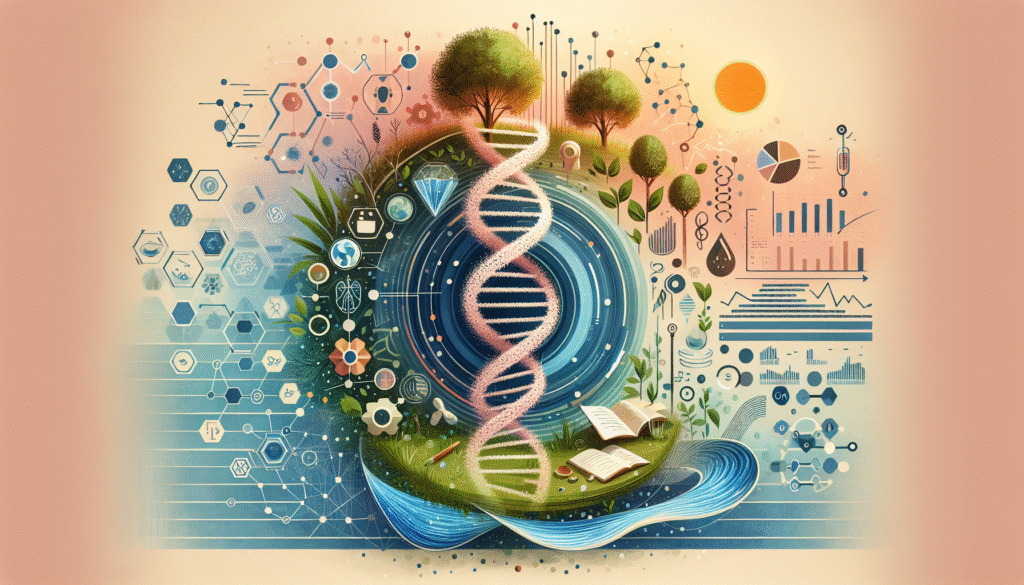
New advancements in statistical and artificial intelligence methodologies are transforming our understanding of the complex relationships between genes, environment, and human health. These innovative tools are providing unprecedented insights into the intricate interplay of genetic and environmental factors that influence our well-being.
Statisticians and AI experts are leveraging these advancements to dissect the complicated interaction between genes and environment. They are meticulously analyzing massive amounts of genetic data and environmental variables, identifying patterns, and drawing meaningful conclusions. This rigorous research is not just enhancing our understanding of human health but also leading the way for personalized medicine.
By harnessing the power of AI, researchers are making significant strides in predicting individual health outcomes based on genetic and environmental factors. They’re developing complex algorithms that can sift through billions of genetic markers and environmental variables to predict our susceptibility to diseases.
This is not science fiction; it’s happening right now. For instance, AI applications in genomics have already demonstrated their potential in predicting cancer risks. The technology has been successful in identifying individuals with high genetic susceptibility to certain types of cancer, enabling early detection and intervention.
But it’s not just about disease prediction. These technological advancements are paving the way for groundbreaking treatments. By understanding the complex gene-environment interactions, scientists can develop personalized therapeutic strategies that consider an individual’s unique genetic makeup and environmental exposure.
However, this burgeoning field of genomics and AI is not without challenges. The sheer volume and complexity of the data pose significant hurdles. Moreover, ethical considerations surrounding the use of personal genetic data also need to be addressed. But with continued research and development, as well as robust ethical guidelines, this field promises to revolutionize healthcare.
In conclusion, the marriage of statistics, artificial intelligence, and genomics is ushering in a new era in healthcare. It’s not only enhancing our understanding of how genes and environment shape our health but also opening up exciting possibilities for personalized medicine. The future of healthcare is here, and it’s driven by data.