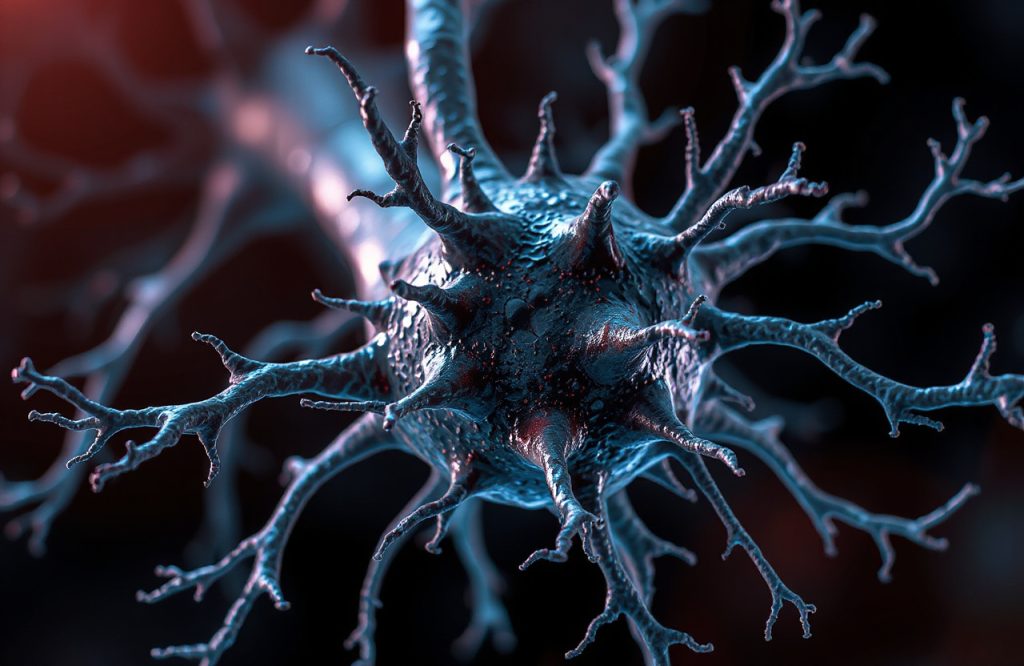
The Nervous System and Its Degeneration with Age
Understanding Nerve Degeneration
The nervous system is an intricate system that governs all bodily functions. As we age, it naturally begins to deteriorate. The exact reasons behind age-related nerve degeneration remain unclear, prompting extensive research by teams of scientists to uncover the underlying causes. However, there are well-documented factors contributing to nerve degeneration, which this article will explore in detail. Additionally, it will offer insights into how individuals can maintain a healthy nervous system as they grow older.
Supporting Nervous System Health
Supplements like Nerve Control 911 can enhance overall nervous system health. Other supplements, along with a balanced diet and regular exercise, can alleviate symptoms in individuals suffering from peripheral neuropathy. Continue reading for a comprehensive understanding of the causes of nerve degeneration.
Overview of the Nervous System
Functions of the Nervous System
The nervous system is a sophisticated network of cells responsible for controlling all activities within the body. It governs various functions, including:
– Sensory perceptions such as sight, hearing, taste, smell, and touch
– Both voluntary and involuntary actions, including movement, balance, and coordination
– Regulation of other body systems, like blood flow and blood pressure
– Cognitive functions, including thought and reasoning
Anatomy of the Nervous System
The nervous system consists of the brain and spinal cord, collectively known as the central nervous system (CNS), and extends to the peripheral nervous system (PNS). The nature of nerve degeneration can vary depending on its origin and underlying cause, presenting symptoms that range from mild to severe.
Examples of Nerve Degeneration
Common Causes of Nerve Degeneration
Nerve degeneration can result from various factors, including:
– Vascular disorders affecting blood supply
– Trauma, particularly to the head and spinal cord
– Congenital issues present from birth
– Mental health disorders, including anxiety and depression
– Exposure to harmful substances such as carbon monoxide, arsenic, and lead
Specific Degenerative Conditions
Notable degenerative nerve diseases include:
– Parkinson’s disease
– Multiple sclerosis (MS)
– Amyotrophic lateral sclerosis (ALS)
– Alzheimer’s disease
– Huntington’s disease
– Peripheral neuropathies
Infectious Diseases Impacting Nerve Health
Certain infections can lead to nerve degeneration, such as:
– Encephalitis and brain abscesses
– Meningitis affecting the membranes around the brain and spinal cord
Drug-Related Causes
The overuse or withdrawal from medications, whether prescription or over-the-counter, can adversely affect the nervous system.
Organ Dysfunction and Other Conditions
Various organ failures and conditions can influence nerve health, including:
– Brain tumors
– Respiratory, heart, liver, or kidney failure
– Thyroid dysfunction
– Diabetes and hypoglycemia
– Electrolyte imbalances
– Nutritional deficiencies, particularly of vitamin B1 (thiamine) and vitamin B12
– Guillain-Barre syndrome
Acute Nervous System Issues
Identifying Acute Symptoms
Acute nervous system issues can manifest suddenly and lead to a diverse range of symptoms, depending on the affected area. Common examples include strokes and transient ischemic attacks, which may result in:
– Numbness, tingling, or weakness
– Visual disturbances, including blurriness or loss of vision
– Speech difficulties
– Severe headaches
– Dizziness or loss of balance
– Confusion or altered consciousness
– Nausea or vomiting
Seizures can also cause abrupt changes in sensation, emotion, or cognition, with frequency and severity varying based on their origin.
Facilitating Nerve Regeneration
Beneficial Compounds for Nerve Health
Several supplements can promote nerve regeneration, including:
– **Gamma Linolenic Acid (GLA)**: Research indicates GLA can restore nerve conduction velocity in diabetic animals and is beneficial for conditions like rheumatoid arthritis and premenstrual syndrome.
– **Alpha Lipoic Acid (ALA)**: ALA has demonstrated improvements in diabetic neuropathy symptoms, with clinical studies showing significant pain reduction.
– **Benfotiamine**: This vitamin B-1 derivative has been shown to enhance neuropathy scores in clinical settings, often prescribed for sciatica and other neuropathic pain.
– **Vitamin D**: Essential for mineral absorption, vitamin D can help mitigate vitamin deficiencies and reduce the severity of diabetic neuropathy.
– **Vitamin B-12**: Crucial for nervous system function, vitamin B-12 aids in DNA synthesis and metabolism, alleviating symptoms of paresthesia and promoting myelin synthesis.
Conclusion: Understanding Nerve Degeneration
While aging is the primary cause of nerve degeneration, various conditions can accelerate this process. Diseases like diabetes and Parkinson’s necessitate proactive management of risk factors to maintain nerve health. Supplements such as Nerve Control 911 may support nervous system function, while a commitment to regular exercise and a healthy diet can further reduce the likelihood of nerve-related issues such as peripheral neuropathy.