Impact of Infectious Diseases on Human History
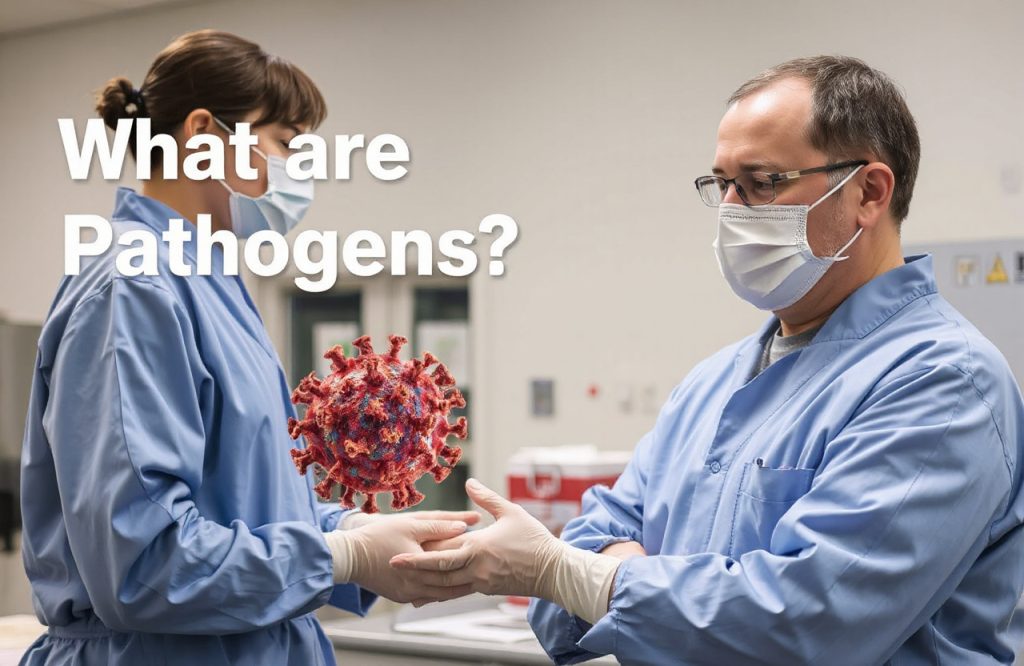
Human history has been significantly influenced by infectious diseases caused by pathogens. A recent article published in BMC Biology explores the nature of pathogens and their impact on humanity.
Understanding Pathogens
Definition of Pathogens
The term pathogen refers to a variety of microorganisms, including viruses, bacteria, single-cell eukaryotes like yeasts, and multi-cell eukaryotes such as parasites. Despite their microscopic size, pathogens can have devastating effects on living populations and have played a critical role in shaping human history by affecting mortality rates and societal functions.
Microorganisms and the Human Body
Microorganisms are abundant in our environment and within our bodies. Interestingly, the number of bacterial cells in the human body is roughly equal to the number of human cells. While most of the approximately one trillion microorganisms identified pose no threat, a specific group of 1,400 known as pathogens can lead to infectious diseases in various organisms.
Pathogens and Their Hosts
Pathogen Dependence on Hosts
All pathogens contain DNA that enables them to produce virulence factors—proteins that contribute to their pathogenicity. These factors allow pathogens to colonize hosts, extract nutrients, and evade the immune response. Pathogens exhibit varying degrees of dependency on their hosts. For instance, facultative pathogens can survive without a host, while obligate pathogens cannot complete their life cycle without one and often adapt closely to their hosts. Some pathogens may require multiple hosts to thrive, whereas others need only a single host.
Mechanisms of Illness
How Pathogens Cause Disease
Pathogens employ various strategies to induce illnesses, ranging from mild infections like the common cold to severe diseases that can lead to death. One common tactic is inflicting significant damage to host tissues or cells, often by producing potent toxins. Bacterial toxins vary in severity, with some, such as anthrax, being among the most lethal. Additionally, pathogens may provoke an immune response that inadvertently harms both infected and healthy cells, resulting in tissue damage.
Ongoing Research and Discoveries
The Quest to Understand Pathogens
While scientists continue to explore the question of “what are pathogens?” much remains unknown. Evidence suggests that certain pathogens, such as the one causing malaria, have existed for over 50,000 years. However, the specific genes related to resistance or susceptibility to these pathogens in the human genome remain unidentified. Furthermore, the origins of more recent pathogens like measles and HIV are still unclear. Research has also challenged the notion that long-co-evolved pathogens necessarily cause milder symptoms.
Advancements in Medicine and Ongoing Threats
Over the past 300 years, advancements in modern medicine have enabled the treatment and even eradication of many pathogens. As a result, age-related disorders now surpass infectious diseases as the leading cause of death in developed countries. Nonetheless, caution is warranted, as an increasing number of pathogens are developing resistance to treatments, and global travel facilitates the spread of these pathogens. Thus, the question of “what are pathogens?” remains critical for managing mortality associated with infectious diseases.
Written by Natasha Tetlow, PhD
Reference: Balloux F and van Dorp L. Q&A: What are pathogens, and what have they done to and for us? BMC Biology. [published online ahead of print October 19, 2017]. Available from: doi: 10.1186/s12915-017-0433-z.