The Human Nervous System
Overview
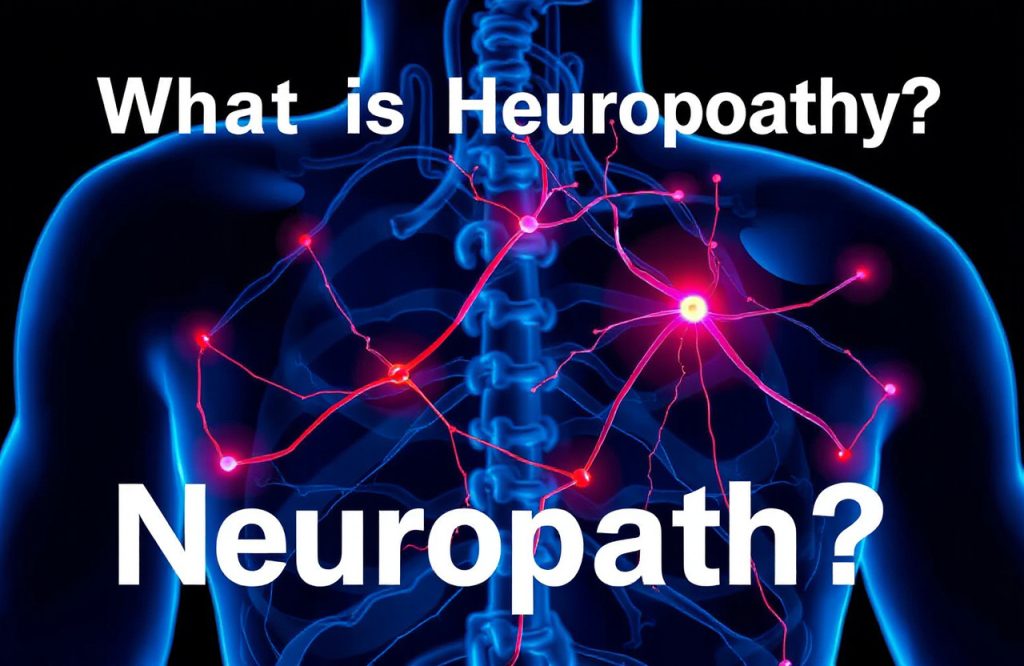
The human nervous system consists of two primary components: the central nervous system (CNS) and the peripheral nervous system (PNS). The CNS encompasses the brain and spinal cord, while the PNS includes the nerves that connect these structures to various parts of the body. Damage to these peripheral branches can lead to a condition known as peripheral neuropathy.
Causes of Peripheral Neuropathy
Prevalence
Globally, 2-8% of the population is affected by peripheral neuropathy, with the occurrence rising to as high as 30% among the elderly. Despite its prevalence as a neurological disorder, peripheral neuropathy can arise from multiple underlying factors.
Underlying Factors
Common causes include diabetes, alcohol and drug abuse, exposure to heavy metals such as arsenic, lead, and mercury, as well as infections like leprosy. Identifying the precise cause can be challenging, which necessitates a comprehensive medical history and clinical examination by healthcare providers when peripheral nerve damage is suspected.
Diagnosing Peripheral Neuropathy
Signs and Symptoms
Peripheral neuropathy is characterized by symptoms such as pain, muscle weakness, and altered sensation. Patients may describe sensations of “pins and needles” or burning. Specifically, sensory neuropathy can lead to diminished body awareness and balance, known as proprioception. Additionally, motor-related symptoms may include muscle wasting, claw hand deformities, foot ulcers, and other abnormalities.
Diagnostic Procedures
To confirm a diagnosis of peripheral neuropathy, healthcare providers may conduct nerve conduction studies and electromyography to evaluate muscle health and activity. Laboratory tests may also be performed to check blood glucose levels, liver and kidney function, and thyroid markers, helping to identify any underlying conditions contributing to neuropathic pain. Genetic testing may also be utilized if there is a hereditary component involved.
Treating Peripheral Neuropathy
Approach to Treatment
Once the underlying cause of peripheral neuropathy is identified, treatment primarily focuses on addressing that condition. Early detection is crucial to prevent long-term disability and alleviate patient suffering. However, even with effective treatment of the underlying cause, some patients may continue to experience symptoms of peripheral neuropathy, which cannot be completely cured but can be managed.
Management of Symptoms
Persistent neuropathic pain can lead to additional issues such as depression, anxiety, and sleep disturbances. Management strategies may include pharmacological interventions like antidepressants, antispasmodics, and topical medications containing lidocaine, a local anesthetic. Proper footwear can also alleviate motor-related complications associated with the condition.
Conclusion
Peripheral neuropathy refers to damage affecting the peripheral nervous system. The primary treatment approach focuses on the underlying cause; however, this may not entirely resolve neuropathic pain. For further information on recognizing symptoms and managing peripheral neuropathy, consulting a healthcare provider is recommended.