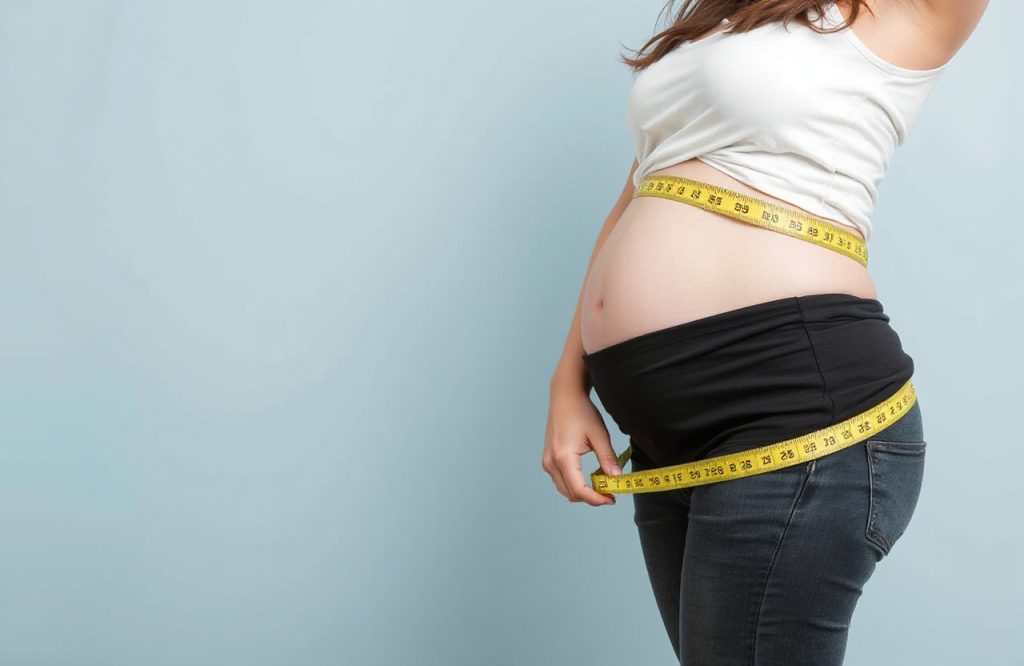
Investigation of Weight Gain in Pregnancy Among Overweight and Obese Women
Study Overview
A recent study explores whether overweight and obese women, as well as those from low socioeconomic backgrounds, are at a heightened risk of excessive weight gain during pregnancy. The research also examines the influence of prenatal education regarding diet and exercise on pregnancy weight gain.
Understanding Weight Gain During Pregnancy
It is widely accepted that weight gain is necessary during pregnancy to support the developing fetus. Nonetheless, the recommended weight gain varies by trimester, and many expectant mothers lack awareness of these guidelines at the beginning of their pregnancies. This gap in understanding often leads to excessive weight gain, which can have both immediate and long-term implications for both the mother and the child.
Risks Associated with Excessive Weight Gain
Studies have linked excessive weight gain in early pregnancy to several health issues, including gestational diabetes, insulin and glucose intolerances, and hypertensive disorders for the mother. Additionally, this weight gain can increase the risk of obesity in the child during early childhood, potentially contributing to a cycle of obesity across generations. The lack of awareness among mothers about these risks places both their health and that of their children in jeopardy.
Study Methodology
Conducted in Australia and published in BMC Pregnancy and Childbirth, the study analyzed the prevalence of excessive weight gain in early pregnancy across various demographics. Researchers gathered data on the participants’ understanding of expected weight gain during pregnancy and their awareness of the associated health risks.
Data was collected from 2,021 women who completed a questionnaire during their second prenatal visit. Participants self-reported their pre-pregnancy weight and height, answered questions about weight gain and health risks, and their current weight was recorded to assess their rate of weight gain during pregnancy. The study also considered factors such as race and socioeconomic status to evaluate their impact on the results.
Key Findings
The findings revealed that approximately one-third of women experienced excessive weight gain in early pregnancy, which is defined as occurring before 22 weeks. Notably, women classified as overweight or obese prior to pregnancy were significantly more likely to gain excess weight. For these women, the recommended weight gain during pregnancy is limited to between 7 kg (15 lbs) and 11.5 kg (25 lbs), in contrast to normal and underweight women who are encouraged to gain at least 11.5 kg (25 lbs).
The study also uncovered that women from lower socioeconomic backgrounds were twice as likely to gain excessive weight compared to those from more affluent neighborhoods. Contributing factors may include increased stress, depression, lack of support, and unplanned pregnancies, all of which can lead to poor lifestyle choices. While some inconclusive findings related to cultural background and ethnicity emerged, further research in this area is warranted.
Awareness and Education Gaps
When participants were asked to estimate the recommended weight gain during pregnancy, a significant portion miscalculated. Specifically, 73.5% of overweight and 85.8% of obese mothers overestimated their acceptable weight gain. Moreover, 51% of all respondents were unaware of the potential impacts of excessive weight gain on their health and that of their baby, indicating a critical lack of information that could explain why even women of normal weight gained excess weight during early pregnancy.
Implications for Future Interventions
This study underscores the necessity for improved intervention and education for expectant mothers, especially those who are overweight or obese. Addressing weight concerns is often sensitive for these women, but understanding healthy weight parameters during each trimester is essential. Public health initiatives aimed at women from lower-income households could provide valuable resources to educate and support healthy dietary and lifestyle choices for both themselves and their unborn children.
Limitations of the Study
It is important to acknowledge that the findings may not be representative of all mothers globally, as the data collection occurred solely in Australia. Additionally, reliance on self-reported pre-pregnancy weight and height could lead to inaccuracies in BMI calculations. Nevertheless, the study included a substantial number of participants and encompassed a diverse range of cultural backgrounds and age groups to better represent Australian mothers. Future research should consider examining cultural differences and tracking weight gain on a weekly basis, rather than relying on total weight gain estimates before 22 weeks of gestation.
Reference
Cheney, K., Berkemeier, S., Sim, K., Gordon, A., & Black, K. (2017). Prevalence and predictors of early gestational weight gain associated with obesity risk in a diverse Australian antenatal population: a cross-sectional study. BMC Pregnancy And Childbirth, 17(1). http://dx.doi.org/10.1186/s12884-017-1482-6