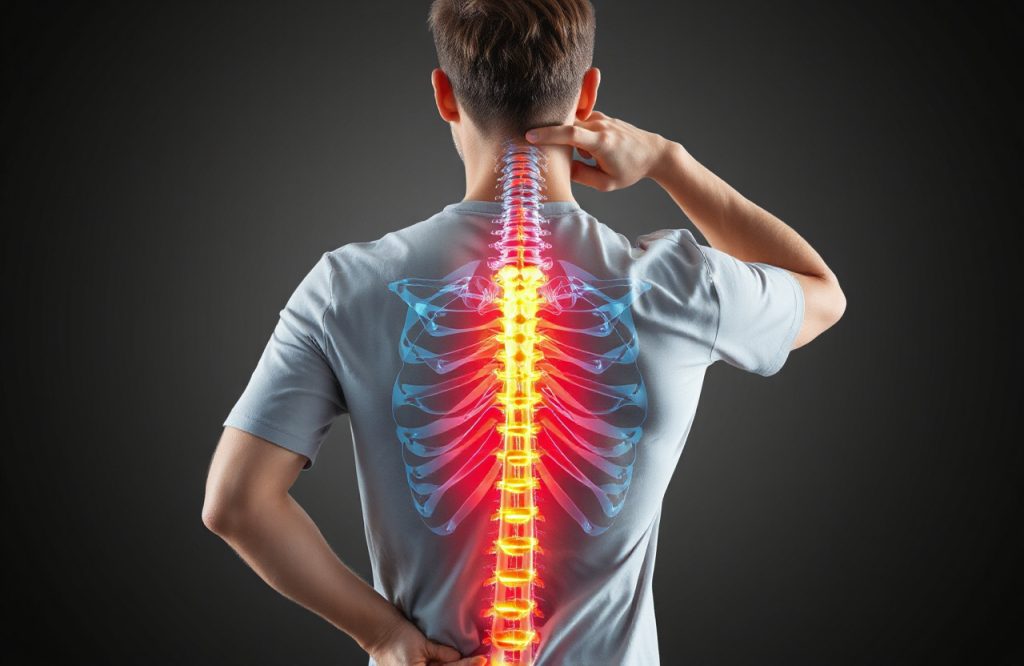
Understanding the Link Between Proprioception and Chronic Pain
Chronic Pain Overview
Chronic pain is a prevalent issue, with non-specific low back pain and neck pain ranking among the most common complaints. These conditions often stem from an imbalance in muscle and functional tissue, along with difficulties in muscle activation. Chronic pain accounts for 42% of emergency department visits, contributing significantly to the strain on healthcare systems. Additionally, pain is a primary driver of opioid-seeking behavior, making it crucial to explore the underlying causes of chronic pain and improve management strategies. Recent recognition of proprioception dysfunction suggests that enhancing this sense may help alleviate back pain and other common pain conditions.
What is Proprioception?
Proprioception, often referred to as the “sixth sense,” involves the interaction between the musculoskeletal system, the brain, and the central nervous system. This sense provides bottom-up communication, where sensory information from the musculoskeletal system is relayed to the brain for interpretation and action.
What is Nociception?
Pain manifests in various forms and is fundamentally a symptom indicating an issue within the body or brain. As a protective mechanism, pain helps prevent injury. Nociception refers to the experience of pain triggered by nociceptors, which are specialized nerve endings. These nociceptors can be activated by external stimuli, such as touching something hot, or internal factors, including the brain’s perception of pain intensity or the accumulation of noxious chemicals in tissues.
The Relationship Between Proprioception and Nociception
Research indicates a correlation between deficits in proprioception and the experience of pain. This relationship can be understood through the lens of movement awareness. A lack of awareness about proper body alignment and movement patterns can lead to mechanical stress, such as muscle tightness, that affects nerve pathways. Over time, these issues can disrupt the chemical and biological processes in the body, triggering nociceptive responses.
Training Proprioception
While research on the direct correlation between proprioception deficits and pain is still evolving, there is evidence supporting the benefits of proprioception training. Neuromuscular exercises focused on balance and movement control may help alleviate chronic pain.
Essential Exercises for Proprioception Training
To effectively train proprioception for chronic pain management, a personalized assessment and program are recommended. General guidelines suggest performing the following exercises progressively, ideally every second day or at least four times per week for 6–8 weeks:
– Static Quadruped Hold
– Bird Dogs
– Glute Bridge Hold with Alternating Arm Overhead Reaches
– Side Plank
– Prone Contralateral Raises
– Single-Leg Balancing
– Lunge Hold with Stable Core Upper-Body Rotation
– Mini Squat Hop
– Athletic Position Chest Pass
Each exercise should be performed ten times per side, with ten-second breaks in between, unless stated otherwise.
Improving Quality of Life and Addressing Healthcare Challenges
Chronic pain significantly impacts the quality of life for many individuals globally and contributes to the burden on emergency healthcare systems. Gaining a deeper understanding of pain mechanisms and perceptions can lead to better prevention and treatment strategies. Proprioception training is just one of many vital components that should be consistently integrated throughout life. It is essential for policymakers and stakeholders to advocate for healthy living initiatives and ensure access to effective support for those affected by chronic pain.