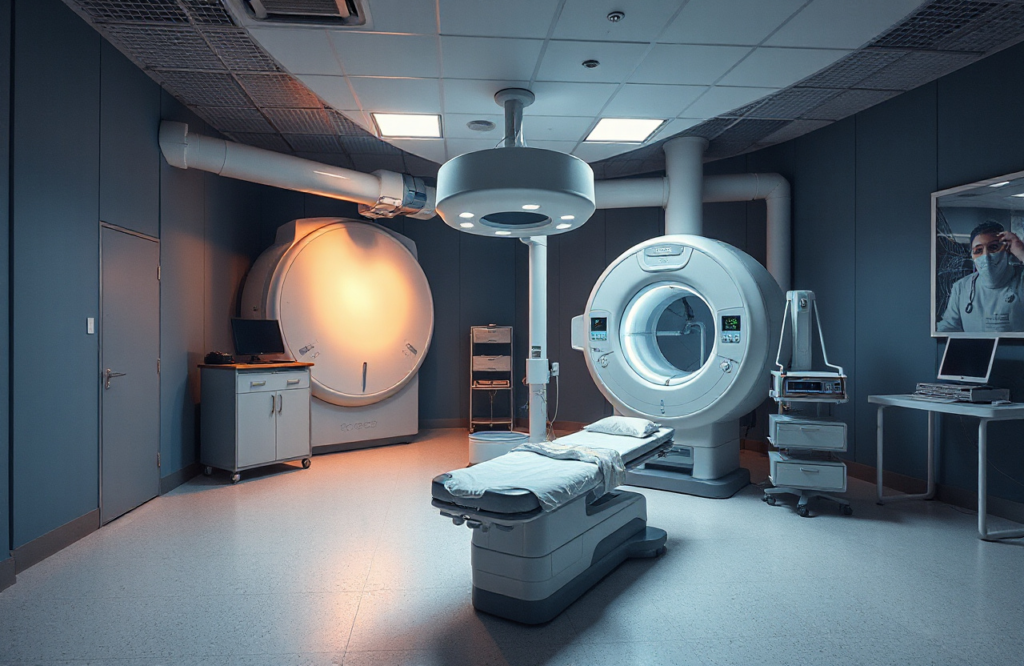
Understanding Radiation Therapy
What is Radiation Therapy?
Radiation therapy employs high-energy radiation, which is administered by a device known as a linear accelerator. This treatment can utilize varying doses tailored for different purposes, primarily in the context of cancer treatment. Additionally, radiation therapy may be applicable for certain benign tumors or even in the context of bone marrow transplants. The treatment is typically prescribed by radiation oncologists, who specialize in this area, unlike radiologists, who focus on imaging and diagnosis. Radiation therapy can be used alone or in conjunction with other treatment modalities.
Mechanism of Action
The fundamental principle behind radiation therapy is to induce death in cancer cells or halt their division by damaging their genetic material. This process can lead to a reduction in tumor size or, in some cases, a complete cure.
Types of Radiation Therapy
Based on Purpose
Radiation therapy can be categorized according to its intended purpose:
– **Therapeutic**: Aimed at curing or treating cancer.
– **Palliative**: Designed to alleviate symptoms such as pain.
– **Adjuvant**: Used in addition to other cancer treatment methods.
– **Neoadjuvant**: Administered prior to surgery to shrink a tumor.
Based on Delivery Method
The delivery method for radiation therapy can vary, including:
– **Internal Beam or Brachytherapy**: Involves the implantation of radioactive rods in or near the tumor, which can remain in place for days, months, or even permanently.
– **External Beam Radiation or Teletherapy**: Involves radiation delivered from a distance to the cancer site, utilizing systems such as Cobalt 60 or linear accelerators. The specific method and dosage are determined by the surgeon.
How Does Radiotherapy Work?
Radiotherapy employs high-energy radiation to destroy cancer cells by damaging their DNA. The treatment is typically administered in cycles over a set period, ensuring that cancer cells with damaged DNA do not recover, leading to irreversible changes. This damage can result in cell death or cessation of cell division, ultimately reducing tumor size. While the effects may take weeks to manifest, the process can continue even after the treatment has concluded. The effectiveness of radiotherapy largely depends on the radiosensitivity of the tumor.
Side Effects of Radiotherapy
While radiation therapy primarily targets cancer cells, it can also affect surrounding healthy tissue, resulting in various side effects. The severity and nature of these side effects can differ based on the radiation resistance of different tissues. More targeted therapies can mitigate the number and intensity of side effects. Common side effects include fatigue, nausea, vomiting, and hair loss. Specific side effects may occur depending on the treatment area:
Common Side Effects by Treatment Area
– **Head and Neck**: Nausea, hair loss, mouth ulcers, tooth decay.
– **Chest Region**: Difficulty breathing, shoulder stiffness, radiation fibrosis (permanent lung scarring).
– **Abdomen**: Nausea, vomiting, diarrhea.
– **Pelvis**: Fertility issues, erectile dysfunction, menopausal symptoms.
Post-treatment, patients may experience a radiation recall rash, characterized by swelling, irritation, and rash at the radiation site. The prevalence and intensity of side effects vary based on individual responses, cancer type, and treatment specifics. Side effects can be short-term or long-term, with the duration dependent on the body’s capacity for tissue repair. Symptoms may begin 2-3 weeks into treatment and can persist for months.
Emotional and Psychological Impact
In addition to physical effects, patients may encounter emotional challenges due to the inability to engage in regular activities or social interactions. It is crucial to seek support from therapists or psychiatrists, along with family support, to facilitate recovery.
Management of Side Effects
Managing side effects poses a significant challenge for cancer patients. While some effects can be managed with general care, others may require medication or alternative treatment approaches. Palliative care is vital in the context of radiation therapy. Patients experiencing side effects should consult their healthcare providers for guidance.
Strategies for Managing Specific Side Effects
– **Fatigue**: Engage in light exercise, maintain a healthy diet, and spend time with loved ones.
– **Skin Reactions**: Report any skin issues to a physician for appropriate treatment.
– **Nausea and Vomiting**: Medication may be prescribed, and small, cold meals can help ease digestive discomfort.
– **Hair Loss**: Hairstyling techniques or wigs can assist in coping with this common side effect.
– **Emotional Support**: Consulting a counselor can provide valuable support during this challenging time.
Overall, a proactive approach to managing side effects can improve the quality of life for patients undergoing radiation therapy.