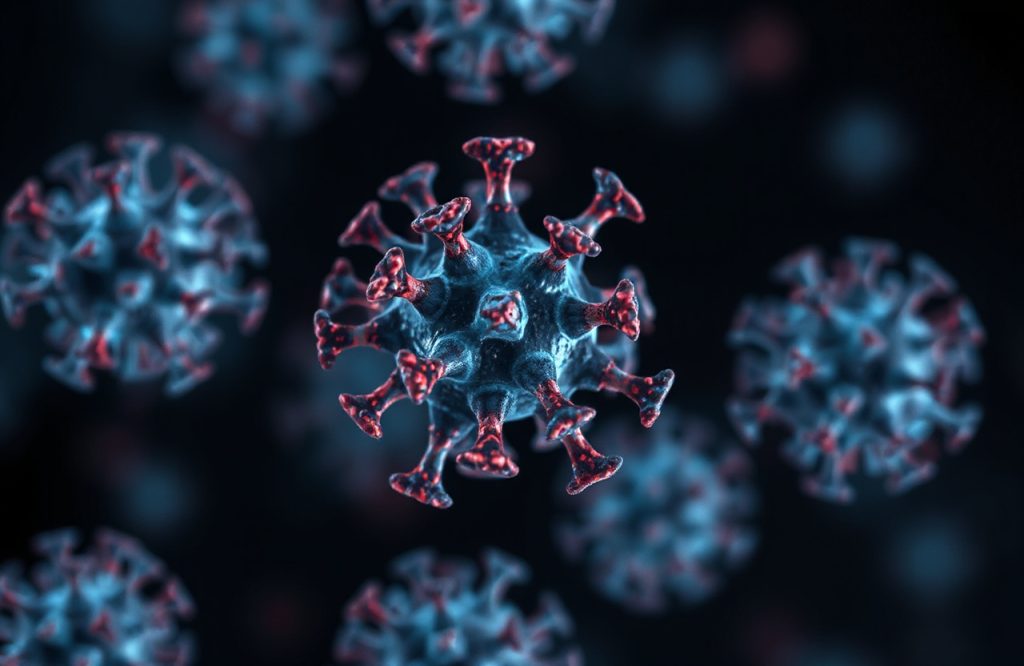
Cytomegalovirus and Lifelong Infections
Understanding Cytomegalovirus Latency
Cytomegalovirus (CMV) is known to cause lifelong persistent infections that evade the immune system by entering a latent state. This ability to remain dormant allows the virus to persist without being eliminated by the body’s defenses. Although generally harmless in individuals with healthy immune systems, CMV can reactivate under certain conditions.
Mouse Model for Studying HCMV
To study human cytomegalovirus (HCMV), researchers often utilize mouse cytomegalovirus (MCMV) due to their biological similarities. The immune response of mice to MCMV infection has been extensively documented, revealing the involvement of various immune cell types in controlling viral replication.
Research on Regulatory T Cells
Role of Tregs in MCMV Infection
A recent study published in PLoS Pathogens investigates the role of regulatory T cells (Tregs) in managing MCMV reactivation in a mouse model. Tregs are crucial for modulating the immune response by suppressing other immune cells, which can impact the outcome of MCMV infections.
Findings on Treg Activation
The authors discovered that MCMV-infected mice displayed an increased number of activated Tregs in the spleen and salivary glands during viral latency. By employing a mouse model that allowed for the specific depletion of Tregs in the spleen, the researchers noted that this removal resulted in a heightened immune response from other immune cells. Interestingly, the absence of Tregs in the spleen led to reduced viral reactivation, suggesting their role in maintaining latent infections capable of reactivation.
Contrasting Effects in Salivary Glands
In contrast, the depletion of Tregs in the salivary glands resulted in increased viral reactivation and replication. This finding highlights the different functions of Tregs in various tissues, where they can limit viral replication while also promoting reactivation.
Mechanisms of Treg Function
Suppression of IL-10-Producing Cells
The study further revealed that Tregs can suppress immune cells that produce IL-10, an immunosuppressive molecule that limits inflammation and can enhance MCMV replication. Upon depleting Tregs, IL-10-producing cells became active, leading to an increase in viral replication within the salivary glands. Subsequent investigations confirmed that blocking IL-10’s function mitigated this increased replication.
Implications for Treatment
This research underscores the distinct roles of Tregs at different infection sites, specifically in the spleen and salivary glands. The unique mouse model used allowed for precise examination of Treg functions. The findings raise important questions about the potential manipulation of Tregs as a therapeutic strategy for managing latent HCMV infections, considering their varied effects across different tissues.
Conclusion
Further exploration into the interactions between immune cells and cytomegalovirus is essential for developing innovative approaches to treat latent HCMV infections. Understanding these dynamics may lead to more effective immune-based therapies.
Reference
Almanan M, Raynor J, Sholl A, Wang M, Chougnet C, Cardin RD, Hildeman DA. Tissue-specific control of latent CMV reactivation by regulatory T cells. PLoS Pathogens. 2017 Aug 10: e1006507.