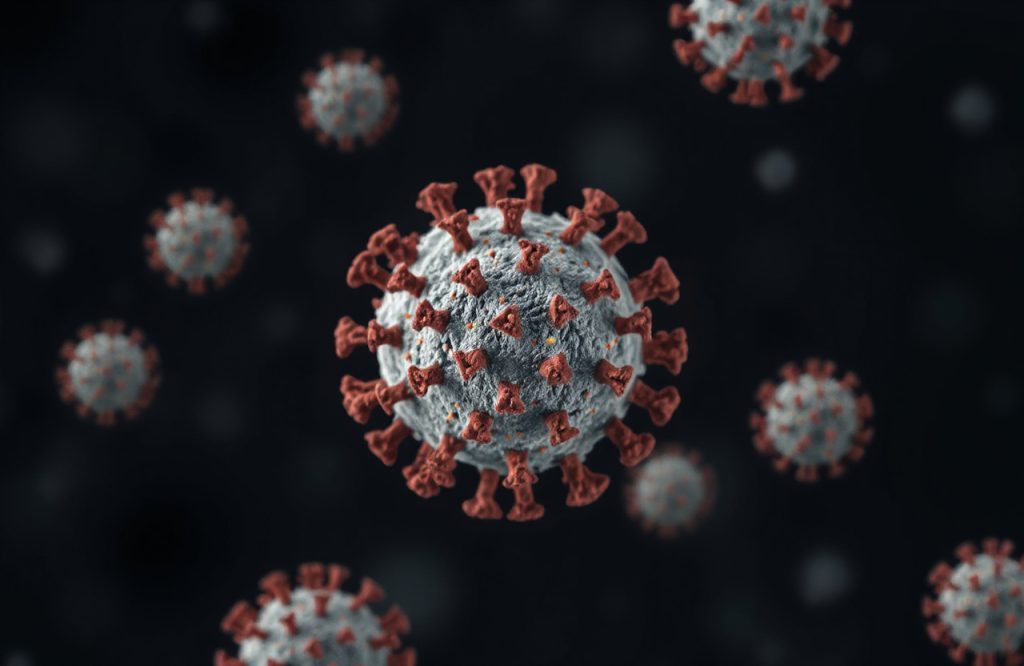
Overview of COVID-19 and Its Emergence
Introduction to COVID-19
Coronavirus disease 2019 (COVID-19), caused by the SARS-CoV-2 virus, was first identified in Wuhan, China, in December 2019. In response to its rapid spread, the World Health Organization declared COVID-19 a public health emergency.
Study on SARS-CoV-2 Viral Loads
Research Details
A recent study published in The New England Journal of Medicine focused on assessing SARS-CoV-2 viral loads in patients to enhance understanding of the virus’s transmission. The study involved 18 patients, equally divided between men and women, with ages ranging from 26 to 76 years and a median age of 59.
Patient Analysis
The researchers examined nasal and throat swabs from 14 patients who had recently traveled to Wuhan, along with swabs from four secondary cases. Among the patients, three required intensive care, although most cases were classified as mild to moderate.
Transmission Cases
On January 11th, two residents from Wuhan visited their daughter in Zhuhai. Six days later, their daughter developed a fever, marking her as one of the four secondary cases. Viral ribonucleic acid (RNA) was detected in her swabs on the day her symptoms began.
On January 17th, another patient visited his wife, mother, and friend, leading to the onset of symptoms in the two women 3 to 5 days later. Viral RNA was detected shortly after their symptom onset. Notably, the friend, who exhibited no symptoms, tested positive for COVID-19 on days seven, ten, and eleven following contact.
Findings on Viral Loads
All 17 symptomatic patients were tested on the day their symptoms appeared. The study revealed that high viral loads were present shortly after symptom onset, with lower loads found in the throat compared to the nose. The researchers observed that the shedding of SARS-CoV-2 viral RNA resembles that of Influenza but differs significantly from SARS.
Implications for COVID-19 Transmission and Detection
Conclusions of the Study
This research suggests that transmission of COVID-19 can occur early in the infection period for both symptomatic and asymptomatic individuals. Consequently, different strategies may be required for detecting and isolating COVID-19 cases compared to those employed during the SARS outbreak.
Future Research Directions
The study advocates for advanced testing methods and improved data transmission to effectively contain the spread of COVID-19. Further research into SARS-CoV-2 viral loads is encouraged to enhance understanding of its transmission dynamics.
Author and Reference
Written by Laura Laroche, HBASc, Medical Writer.
Reference: Zou, Lirong, MSc, et al. “SARS-CoV-2 Viral Load in Upper Respiratory Specimens of Infected Patients.” The New England Journal of Medicine. March 19th, 2020. Image by Ewa Urban from Pixabay.