Introduction
If you’re considering cooking with seed oil, you might want to pause. This article will reshape your understanding of health and cooking oils. Read on to discover more.
Understanding Seed Oils
The Warning Against Seed Oils
A man in his 30s, dressed in a dark denim jacket and sneakers, walks through a supermarket aisle. He halts in front of the oil shelf, picks up a bottle of sunflower oil, and warns the camera, “Seed oils are for greasing engines, not cooking.” This scenario is common on social media, where influencers urge followers to eliminate seed oils from their diets.
Influencer Perspectives
Health experts like Mary Ruddick and Paul Saladino argue that seed oils are detrimental to health. Saladino, a notable figure among health influencers, claims these oils drive chronic diseases. Various channels, from TikTok to Instagram, proliferate information suggesting that seed oils, derived from crops like canola and soybeans, contribute to ailments like inflammation and heart disease. However, one must evaluate whether these claims are factual or merely a part of a trend.
What Are Seed Oils?
Origins and Production
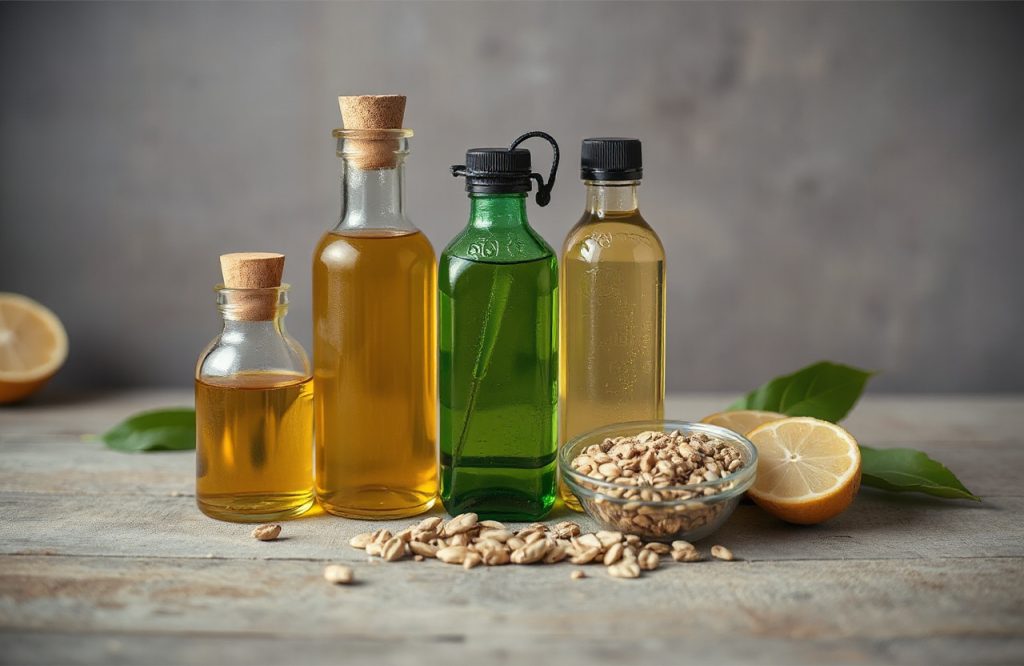
Seed oils are fats extracted from different plant seeds, including grapeseed, sunflower, canola, corn, and soybean oils. While sunflower oil has a long history in cooking, canola oil gained popularity in the last century due to advancements in agricultural practices and food science. Initially used for lamps and crafts, canola oil’s production techniques have improved significantly, enhancing its flavor and yield.
Extraction Methods
There are two primary methods for extracting seed oils:
- Mechanical Extraction: This traditional method involves crushing seeds and separating oil from the pulp. Modern techniques utilize screw presses to extract about 45% of the oil content.
- Solvent Extraction: This industrial method uses solvents to dissolve oils from flaked seeds, achieving near-total extraction. Post-extraction, oils undergo refining to remove impurities and residual solvents.
Composition of Seed Oils
Nutritional Profile
Seed oils are rich in polyunsaturated fatty acids (PUFAs), which are beneficial for heart health. Key components include:
- Omega-6 fatty acids, primarily linoleic acid
- Trace amounts of omega-3 fatty acids
- Vitamin E and phospholipids in some oils
Health Benefits of PUFAs
PUFAs are essential nutrients that must be consumed through diet. They play several vital roles, including:
- Building cell membranes and supporting brain development
- Improving heart health by reducing ‘bad’ LDL cholesterol levels
- Enhancing memory and learning
- Supporting metabolic health and reducing fat accumulation
Controversies Surrounding Seed Oils
Critics’ Concerns
Opponents of seed oils often cite the industrial extraction processes and potential health risks associated with highly refined oils. Some research indicates that oxidized oils may contribute to oxidative stress and related health issues. However, it’s essential to recognize that the extraction processes are regulated, and the temperatures used are comparable to those in everyday cooking.
Addressing the Myths
Critics also argue that the omega-6 fatty acids found in seed oils promote inflammation and chronic health conditions. However, recent studies have shown no clear evidence linking linoleic acid to inflammation. Instead, a balanced diet is crucial for maintaining health.
Scientific Evidence on Seed Oils
Heart Disease and Diet
Despite rising heart disease rates globally, seed oils are not to blame. The increase in heart disease has been linked to various factors, including diet and lifestyle choices. Notably, a review of numerous studies indicates that higher linoleic acid intake correlates with reduced risks of heart disease, type 2 diabetes, and certain cancers.
Health Recommendations
Reputable health organizations, including the World Health Organization and the American Heart Association, endorse polyunsaturated fats found in seed oils for their health benefits. They recommend replacing unhealthy fats with seed oils to promote overall health.
Historical Context
Evolution of Seed Oils
Seed oils gained traction in the early 1900s when hydrogenation processes made them more stable for use in food products. Initially considered a healthier alternative to saturated fats, research has since revealed the dangers of trans fats, leading to bans in various countries. It is important to distinguish between seed oils and partially hydrogenated oils, as they are not the same.
Practical Use of Seed Oils
Cooking with Seed Oils
Seed oils are versatile in cooking, but they are less stable at high temperatures. It is advisable to use moderate heat and avoid reusing oils to maintain their quality and prevent harmful compounds from forming.
Final Thoughts
Based on current scientific evidence, seed oils are safe and provide essential nutrients. While they are often scrutinized, trusted health organizations advocate for their inclusion in a balanced diet. Ultimately, maintaining a healthy lifestyle involves focusing on whole foods and a variety of healthy fats rather than demonizing individual ingredients.
References
[List of references as provided in the original text]