Understanding Synesthesia
Definition and Overview
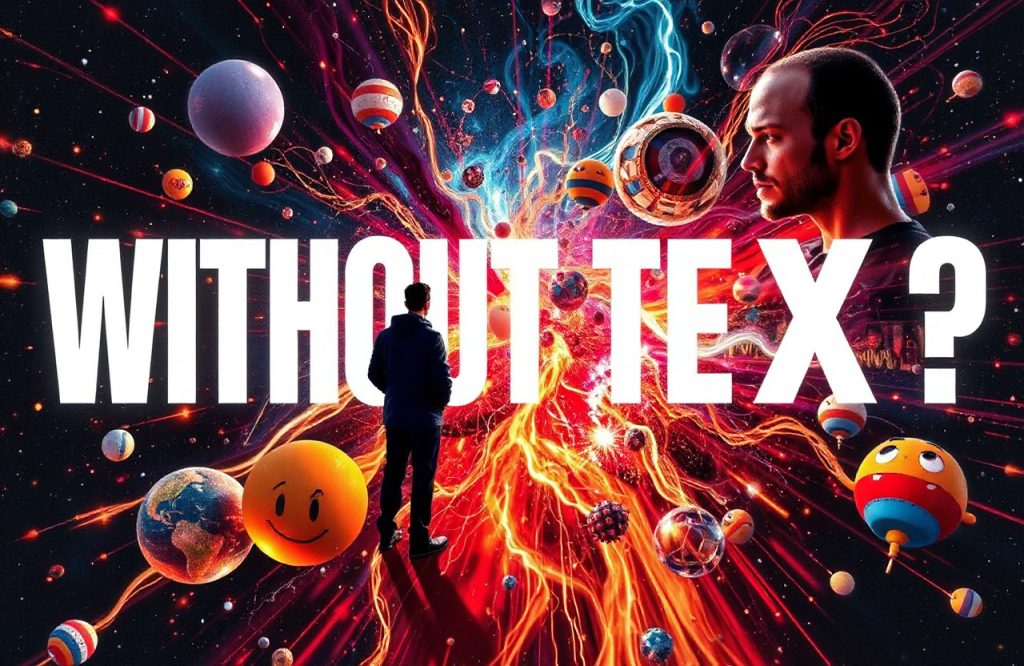
Synesthesia (sin-ess-THEE-zh-uh) is a neurological condition characterized by the stimulation of one sensory pathway leading to automatic experiences in another. This fascinating phenomenon enriches the human perception of the world.
Sensing Synesthesia
Humans typically rely on five senses: sight, hearing, smell, taste, and touch. In most cases, a specific stimulus activates a corresponding sense, such as hearing a sound. However, individuals known as synesthetes may experience additional sensory responses, such as seeing, smelling, tasting, or physically feeling a sound.
Who Experiences Synesthesia?
Prevalence and Awareness
Many synesthetes grow up perceiving their unique sensory experiences as ordinary, often not realizing they differ from others until someone points it out. Current estimates suggest that approximately 4.4% of the population may experience some form of synesthesia, although the actual prevalence is still under investigation due to limited research on the condition’s complexities. Synesthesia typically manifests during childhood, though rare instances may occur later in life, and it appears to affect men and women equally.
Types of Synesthesia
Common Variations
Over 100 variations of synesthesia have been documented, with individuals frequently experiencing multiple types. Some well-known forms include:
– **Grapheme-colour synesthesia**: Associating colors with letters and numbers.
– **Sound-colour synesthesia**: Seeing colors triggered by sounds.
– **Lexical-gustatory synesthesia**: Experiencing specific tastes triggered by words.
– **Mirror-touch synesthesia**: Feeling tactile sensations by observing someone else experience them, often linked to heightened empathy.
Categories of Synesthesia
Synesthesia variations can be divided into two categories: projective and associative. In projective synesthesia, the individual literally sees colors or shapes associated with a stimulus. In associative synesthesia, there is a strong, involuntary connection between a stimulus and an unrelated sense. For instance, a person experiencing sound-colour synesthesia may visually perceive an orange triangle when they hear a trumpet, while another person may simply associate the sound with the color orange.
Diagnosing Synesthesia
Nature of Synesthesia
Recognized not as a disease or mental disorder, synesthesia is viewed as a difference in sensory perception stemming from enhanced neural connections in the brain. Although there is no formal clinical diagnosis available, various tests can assess the extent of synesthetic experiences. Key characteristics include the involuntary nature, stability over time, and vividness of the experiences.
Causes of Synesthesia
Genetic and Environmental Factors
While certain environmental factors, such as drug use, sensory deprivation, or brain injuries, can trigger synesthesia, the condition is primarily influenced by genetics. Research indicates that approximately 40% of synesthetes report having a close relative with the condition, although the specific type of synesthesia can vary among family members. This points to a genetic predisposition without a definitive outcome; for example, a parent might perceive the number three as blue, while their child sees it as yellow.
Brain Imaging Studies
Brain imaging research has revealed that synesthetes – particularly those with colored hearing – show increased activity in visual areas of the brain when they hear sounds. This suggests a unique processing of sensory information. It is hypothesized that synesthesia arises from an abundance of neural connections in sensory regions of the brain, likely due to a failure in the usual “neural pruning” during fetal development, which typically eliminates unnecessary connections. Studies have also indicated alterations in white and gray matter density among individuals with synesthesia, further supporting the theory of excess neural connectivity.
Implications and Impact of Synesthesia
Experiences of Synesthetes
While some synesthetes may face challenges such as sensory overload or fatigue due to heightened stimulation, many appreciate their extraordinary perceptions. These individuals often possess exceptional memory capabilities and may excel in creative fields. Notable figures with synesthesia include author Vladimir Nabokov, artist Vincent van Gogh, and musicians Pharrell Williams and Lady Gaga.
The Need for Further Exploration
Ongoing Research
Synesthesia continues to intrigue scientists and offers a promising avenue for understanding the complexities of human perception and brain function. Current research aims to deepen knowledge of the genetic and functional aspects of synesthesia, as well as the influence of environmental factors on this unique cognitive phenomenon.